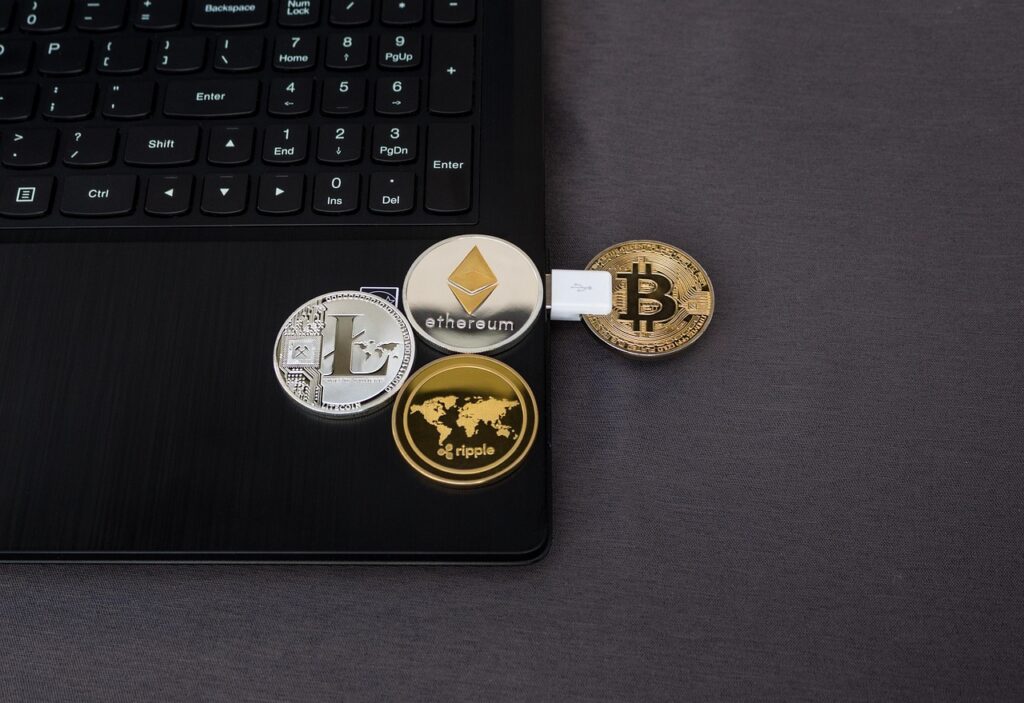

Choosing the right crypto wallet is crucial for the security and management of cryptocurrencies. With the rise of digital currencies, the importance of secure storage solutions has become more apparent. A single mistake in managing a crypto wallet can lead to significant financial losses. Here’s the key thing to understand: the security of cryptocurrency largely depends on the type of wallet used and how it is managed. Most people miss this critical aspect, focusing more on the investment potential of cryptocurrencies rather than their safekeeping. Therefore, understanding the common mistakes to avoid is essential for anyone looking to enter the cryptocurrency market.
📝 In This Post
A Closer Look at Crypto Wallets
Crypto wallets are not physical wallets but rather software programs that store, send, and receive digital currencies. They come in various forms, including desktop, mobile, web, and hardware wallets, each with its own set of advantages and disadvantages. Understanding these differences is vital for making an informed decision about which wallet to use. The choice of wallet should be based on the user’s specific needs, such as the level of security required, the frequency of transactions, and the types of cryptocurrencies to be stored.
Before comparing the different types of crypto wallets, it’s essential to evaluate them based on key metrics. The table below outlines some of the critical factors to consider when choosing a crypto wallet.
| Wallet Type | Security Level | Ease of Use | Cost |
|---|---|---|---|
| Hardware Wallets | High | Medium | High |
| Desktop Wallets | Medium to High | Medium | Low to Medium |
| Mobile Wallets | Medium | High | Low |
| Web Wallets | Low to Medium | High | Low |
Leading Crypto Wallet Solutions
Hardware Wallets (e.g., Ledger, Trezor)
Hardware wallets are considered to be among the most secure types of crypto wallets. They store the user’s private keys offline, significantly reducing the risk of hacking. These wallets are ideal for those who plan to hold large amounts of cryptocurrency for extended periods.
- Advantages:
- High level of security
- Support for multiple cryptocurrencies
- Portable and easy to use
- Current Limitations:
- Higher cost compared to software wallets
- Can be lost or damaged, potentially leading to loss of funds
Best for: Long-term investors who prioritize security.
Desktop Wallets (e.g., Electrum, Exodus)
Desktop wallets offer a balance between security and ease of use. They are installed on a computer and can provide a high level of security if the computer is also well-protected. Desktop wallets are suitable for those who frequently use their computers for cryptocurrency transactions.
- Advantages:
- High level of security if used on a secure computer
- Ease of use for frequent transactions
- Support for multiple cryptocurrencies
- Current Limitations:
- Vulnerability to computer viruses and hacking
- Requires regular updates for security patches
Best for: Frequent traders who use their computers regularly.
Mobile Wallets (e.g., Trust Wallet, MetaMask)
Mobile wallets are designed for smartphones and offer convenience for making transactions on the go. They are generally easy to use but may not offer the same level of security as hardware or desktop wallets.
- Advantages:
- Highly convenient for mobile transactions
- Ease of use
- Support for multiple cryptocurrencies
- Current Limitations:
- Lower level of security compared to hardware wallets
- Vulnerability to mobile device hacking
Best for: Users who need to make frequent transactions on their mobile devices.
Web Wallets (e.g., Coinbase Wallet, Binance Wallet)
Web wallets are accessible through a web browser and are often provided by cryptocurrency exchanges. They are convenient for beginners but may not offer the best security options.
- Advantages:
- Easy to use for beginners
- Convenient for accessing through any device with a web browser
- Often integrated with cryptocurrency exchanges
- Current Limitations:
- Lower level of security due to potential vulnerabilities in web applications
- Dependence on the security of the hosting exchange or service
Best for: Beginners who are just starting to explore cryptocurrencies.
Paper Wallets
Paper wallets involve printing out the private and public keys on a piece of paper. They are considered to be highly secure since they are not connected to the internet, but they can be cumbersome to use for frequent transactions.
- Advantages:
- High level of security due to being offline
- No cost involved
- Simple to create
- Current Limitations:
- Can be easily lost, damaged, or stolen
- Not practical for frequent transactions
Best for: Those who want an extremely secure method for storing small amounts of cryptocurrency and do not plan to use it frequently.
| Option | Best For | Difficulty | Cost | Speed |
|---|---|---|---|---|
| Hardware Wallets | Long-term investors | Medium | High | Medium |
| Desktop Wallets | ||||
| Medium | Low to Medium | High | ||
| Mobile Wallets | Mobile users | Low | Low | High |
| Web Wallets | Beginners | Low | Low | High |
| Paper Wallets | Secure storage | Low | No cost | Low |
How to Choose the Right One
Choosing the right crypto wallet involves considering several factors, including the level of security required, the type of device to be used, and the frequency of transactions. Security is a paramount concern, as it directly affects the safety of the user’s funds. For those who prioritize security, hardware wallets are often the best choice. However, for users who need to make frequent transactions, the ease of use and speed of transactions become more important factors.
Ease of use is another crucial factor, especially for beginners. Wallets with intuitive interfaces can make it easier for new users to manage their cryptocurrencies without feeling overwhelmed by complex features. The cost of the wallet is also an important consideration, as some wallets, especially hardware ones, can be quite expensive. Nonetheless, the cost should be weighed against the potential risks of using a free or low-cost wallet that may not offer adequate security.
Ultimately, the choice of crypto wallet depends on the user’s specific needs and preferences. It’s essential to research and compare different options before making a decision. Considering the level of control over the private keys is also vital, as some wallets may not give users full control, which can be a significant risk factor. Additionally, the support for multiple cryptocurrencies is an important feature for those who invest in various digital currencies.
Here’s the key thing to understand: there is no one-size-fits-all solution when it comes to crypto wallets. What works for one person may not work for another, depending on their individual needs and circumstances. Most people miss this critical aspect, assuming that the most secure or the most convenient wallet is the best for everyone, which is not the case.
How This Affects Everyday Life
Picking the right crypto wallet can significantly impact one’s everyday life, especially for those who are actively involved in the cryptocurrency market. For instance, having a secure and easy-to-use wallet can reduce stress and anxiety related to the fear of losing funds due to hacking or other security breaches.
Moreover, the right wallet can provide convenience for daily transactions, making it easier to buy, sell, or transfer cryptocurrencies as needed. This convenience can be particularly beneficial for those who use cryptocurrencies for regular purchases or payments.
Furthermore, understanding and avoiding common mistakes in managing crypto wallets can lead to financial savings. By avoiding potential losses due to security breaches or incorrect transactions, users can protect their investments and maintain their financial stability.
In addition, having a well-organized and secure wallet can facilitate better financial planning. With a clear overview of their cryptocurrency holdings and transactions, individuals can make more informed decisions about their investments and financial goals.
The right crypto wallet can also enhance privacy and security in financial transactions. By using wallets that prioritize privacy and security, users can protect their personal and financial information from unauthorized access.
Lastly, choosing the right crypto wallet can contribute to a smoother user experience in the cryptocurrency space. By selecting a wallet that aligns with their needs and preferences, users can navigate the complex world of cryptocurrencies more confidently and efficiently.
Wrapping Up
To wrap up, the choice of crypto wallet is a critical decision that can significantly impact one’s experience in the cryptocurrency market. By understanding the common mistakes to avoid and carefully evaluating the different types of wallets available, individuals can make informed decisions that protect their investments and enhance their overall experience. Ultimately, the key to successfully managing cryptocurrencies lies in a combination of security awareness, informed decision-making, and the right tools for the job.