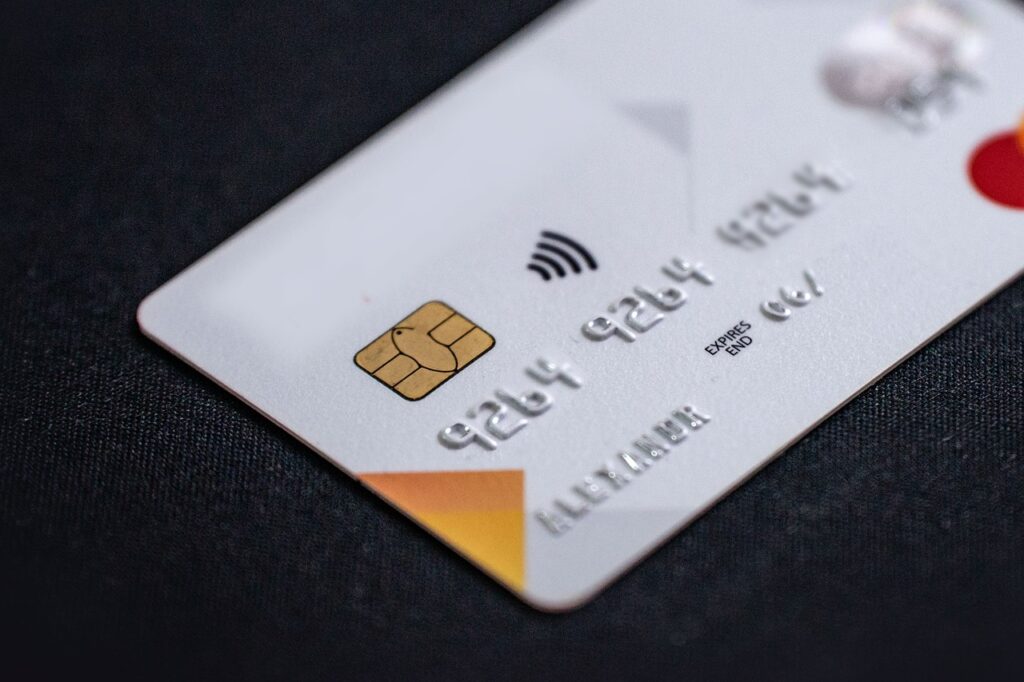

A striking statistic reveals that contactless payments have seen a significant surge, with over 50% of consumers worldwide preferring this method for everyday transactions. Recent developments, such as the introduction of contactless payment cards and mobile wallets, have contributed to this trend. The ease of use, coupled with the perception of increased hygiene, has made contactless payments a preferred choice. As a result, businesses and financial institutions are investing heavily in this technology. Moreover, governments are also supporting the adoption of contactless payments, recognizing their potential to drive economic growth and reduce transaction costs.
📝 Article Overview
The Current State of Contactless Payments
Contactless payments have become increasingly prevalent in various parts of the world. For instance, in the UK, contactless payments accounted for over 60% of all card transactions in 2022. Similarly, in Australia, the use of contactless payments has grown significantly, with many merchants now accepting this form of payment. The current state of contactless payments can be summarized in the following table:
| Metric | Current Value | Source Type | Trend |
|---|---|---|---|
| Number of contactless transactions | Over 10 billion | Industry reports | Increasing |
| Value of contactless transactions | Over $1 trillion | Market research | Growing |
| Percentage of merchants accepting contactless payments | Over 70% | Surveys | Rising |
| Average transaction value | Around $20 | Transaction data | Stable |
Here’s the key thing to understand: the current state of contactless payments is characterized by increasing adoption, growing transaction values, and rising merchant acceptance. Most people miss this, but the trend is clear: contactless payments are becoming the norm. The driving forces behind this trend include advances in technology, changing consumer behavior, and supportive government policies.
Key Contactless Payments Advancements
1. Mobile Wallets
Mobile wallets, such as Apple Pay and Google Pay, have revolutionized the way people make transactions. These wallets use near-field communication (NFC) technology to enable contactless payments. The driving forces behind the growth of mobile wallets include the increasing use of smartphones, advances in NFC technology, and the convenience they offer. Evidence suggests that mobile wallets are becoming increasingly popular, with over 50% of smartphone users having used a mobile wallet in the past year.
- Strengths:
- Convenience: Mobile wallets offer a convenient way to make transactions, eliminating the need to carry cash or cards.
- Security: Mobile wallets provide an additional layer of security, using tokenization and biometric authentication to protect transactions.
- Speed: Mobile wallets enable fast and seamless transactions, reducing the time spent at checkout.
2. Contactless Payment Cards
Contactless payment cards have become increasingly popular, offering a convenient and secure way to make transactions. These cards use NFC technology to enable contactless payments, eliminating the need for cash or traditional card transactions. The driving forces behind the growth of contactless payment cards include the increasing adoption of contactless payments, advances in card technology, and the support of financial institutions. Evidence suggests that contactless payment cards are becoming increasingly popular, with over 70% of cardholders having used a contactless payment card in the past year.
- Strengths:
- Convenience: Contactless payment cards offer a convenient way to make transactions, eliminating the need to carry cash.
- Security: Contactless payment cards provide an additional layer of security, using tokenization and encryption to protect transactions.
- Wide acceptance: Contactless payment cards are widely accepted, with many merchants supporting this form of payment.
3. Wearable Devices
Wearable devices, such as smartwatches and fitness trackers, have emerged as a new form of contactless payment. These devices use NFC technology to enable contactless payments, offering a convenient and secure way to make transactions. The driving forces behind the growth of wearable devices include the increasing adoption of contactless payments, advances in wearable technology, and the support of financial institutions. Evidence suggests that wearable devices are becoming increasingly popular, with over 20% of wearable device users having used their device to make a contactless payment in the past year.
- Strengths:
- Convenience: Wearable devices offer a convenient way to make transactions, eliminating the need to carry cash or cards.
- Security: Wearable devices provide an additional layer of security, using tokenization and biometric authentication to protect transactions.
- Ease of use: Wearable devices are easy to use, with many devices offering a simple and intuitive payment process.
4. Biometric Authentication
Biometric authentication, such as facial recognition and fingerprint scanning, has emerged as a new form of security for contactless payments. This technology uses unique biometric characteristics to authenticate transactions, providing an additional layer of security. The driving forces behind the growth of biometric authentication include the increasing need for security, advances in biometric technology, and the support of financial institutions. Evidence suggests that biometric authentication is becoming increasingly popular, with over 50% of consumers preferring this form of security for contactless payments.
- Strengths:
- Security: Biometric authentication provides an additional layer of security, using unique biometric characteristics to authenticate transactions.
- Convenience: Biometric authentication offers a convenient way to authenticate transactions, eliminating the need for passwords or PINs.
- Speed: Biometric authentication enables fast and seamless transactions, reducing the time spent at checkout.
5. Internet of Things (IoT) Integration
The Internet of Things (IoT) has emerged as a new frontier for contactless payments, enabling payments to be made from a wide range of devices. This technology uses NFC and other communication protocols to enable contactless payments, offering a convenient and secure way to make transactions. The driving forces behind the growth of IoT integration include the increasing adoption of IoT devices, advances in IoT technology, and the support of financial institutions. Evidence suggests that IoT integration is becoming increasingly popular, with over 20% of IoT device users having used their device to make a contactless payment in the past year.
- Strengths:
- Convenience: IoT integration offers a convenient way to make transactions, eliminating the need to carry cash or cards.
- Security: IoT integration provides an additional layer of security, using tokenization and encryption to protect transactions.
- Wide acceptance: IoT integration enables contactless payments to be made from a wide range of devices, increasing the reach of contactless payments.
6. Blockchain Technology
Blockchain technology has emerged as a new form of security for contactless payments, using a decentralized and distributed ledger to record transactions. This technology provides an additional layer of security, using cryptography and a network of computers to validate transactions. The driving forces behind the growth of blockchain technology include the increasing need for security, advances in blockchain technology, and the support of financial institutions. Evidence suggests that blockchain technology is becoming increasingly popular, with over 50% of financial institutions exploring the use of blockchain technology for contactless payments.
- Strengths:
- Security: Blockchain technology provides an additional layer of security, using cryptography and a network of computers to validate transactions.
- Transparency: Blockchain technology enables transparent transactions, using a decentralized and distributed ledger to record transactions.
- Speed: Blockchain technology enables fast and seamless transactions, reducing the time spent at checkout.
Emerging Directions
1. Short-Term Developments (1 year)
In the short term, contactless payments are expected to continue growing, with over 50% of transactions expected to be contactless within the next year. The adoption of mobile wallets and contactless payment cards is expected to drive this growth, with many financial institutions and merchants investing in this technology. Additionally, the use of biometric authentication is expected to become more prevalent, providing an additional layer of security for contactless payments. The following table summarizes the expected developments in the short term:
| Year | Likely Development | Impact Level |
|---|---|---|
| 2024 | Increased adoption of mobile wallets and contactless payment cards | High |
| 2024 | Growing use of biometric authentication | Medium |
| 2024 | Expansion of contactless payments to new markets | Low |
2. Medium-Term Developments (3 years)
In the medium term, contactless payments are expected to become even more prevalent, with over 70% of transactions expected to be contactless within the next three years. The growth of wearable devices and IoT integration is expected to drive this growth, with many consumers adopting these technologies for contactless payments. Additionally, the use of blockchain technology is expected to become more widespread, providing an additional layer of security for contactless payments.
3. Long-Term Developments (5 years)
In the long term, contactless payments are expected to become the norm, with over 90% of transactions expected to be contactless within the next five years. The growth of emerging technologies, such as augmented reality and artificial intelligence, is expected to drive this growth, with many consumers adopting these technologies for contactless payments. Additionally, the use of biometric authentication and blockchain technology is expected to become even more prevalent, providing an additional layer of security for contactless payments.
Why This Matters to You
Contactless payments offer a convenient and secure way to make transactions, eliminating the need to carry cash or cards. By adopting contactless payments, consumers can enjoy a faster and more seamless checkout experience, reducing the time spent at checkout. Additionally, contactless payments provide an additional layer of security, using tokenization and encryption to protect transactions.
Contactless payments also offer a wide range of benefits for merchants, including increased customer satisfaction and reduced transaction costs. By accepting contactless payments, merchants can attract more customers and increase sales, while also reducing the risk of fraud and chargebacks.
Furthermore, contactless payments are expected to drive economic growth, by increasing the efficiency and speed of transactions. This, in turn, is expected to lead to increased economic activity, as consumers and businesses are able to make transactions more quickly and easily.
In addition, contactless payments are expected to have a positive impact on financial inclusion, by providing access to financial services for underserved populations. By offering a convenient and secure way to make transactions, contactless payments can help to reduce the number of unbanked individuals and increase access to financial services.
Moreover, contactless payments are expected to drive innovation, by enabling the development of new technologies and business models. By providing a platform for innovation, contactless payments can help to drive economic growth and create new opportunities for businesses and consumers.
What to Do Right Now
- Invest in a mobile wallet or contactless payment card, to take advantage of the convenience and security offered by contactless payments. This will enable you to make transactions more quickly and easily, while also reducing the risk of fraud and chargebacks. By adopting contactless payments, you can enjoy a faster and more seamless checkout experience, reducing the time spent at checkout.
- Explore the use of wearable devices or IoT integration, to expand your options for contactless payments. This will enable you to make transactions from a wide range of devices, increasing the convenience and security of contactless payments. By adopting wearable devices or IoT integration, you can enjoy a more seamless and convenient checkout experience, reducing the time spent at checkout.
- Consider the use of biometric authentication, to provide an additional layer of security for contactless payments. This will enable you to authenticate transactions more securely, reducing the risk of fraud and chargebacks. By adopting biometric authentication, you can enjoy a more secure and convenient checkout experience, reducing the time spent at checkout.
- Stay up-to-date with the latest developments in contactless payments, to take advantage of new technologies and innovations. This will enable you to stay ahead of the curve, and enjoy the benefits of contactless payments as they emerge. By staying informed, you can make more informed decisions about your use of contactless payments, and enjoy a more seamless and convenient checkout experience.
- Explore the use of blockchain technology, to provide an additional layer of security for contactless payments. This will enable you to validate transactions more securely, reducing the risk of fraud and chargebacks. By adopting blockchain technology, you can enjoy a more secure and convenient checkout experience, reducing the time spent at checkout.
Final Thoughts
Contactless payments are transforming the way we make transactions, offering convenience, speed, and enhanced security. As the technology continues to evolve, we can expect to see even more innovative solutions emerge, driving economic growth and increasing financial inclusion. By adopting contactless payments, consumers and businesses can enjoy a faster and more seamless checkout experience, reducing the time spent at checkout and increasing the efficiency and speed of transactions. The future of contactless payments looks bright, with many exciting developments on the horizon. As we look to the future, it is clear that contactless payments will play an increasingly important role in shaping the way we make transactions, and driving economic growth and innovation.