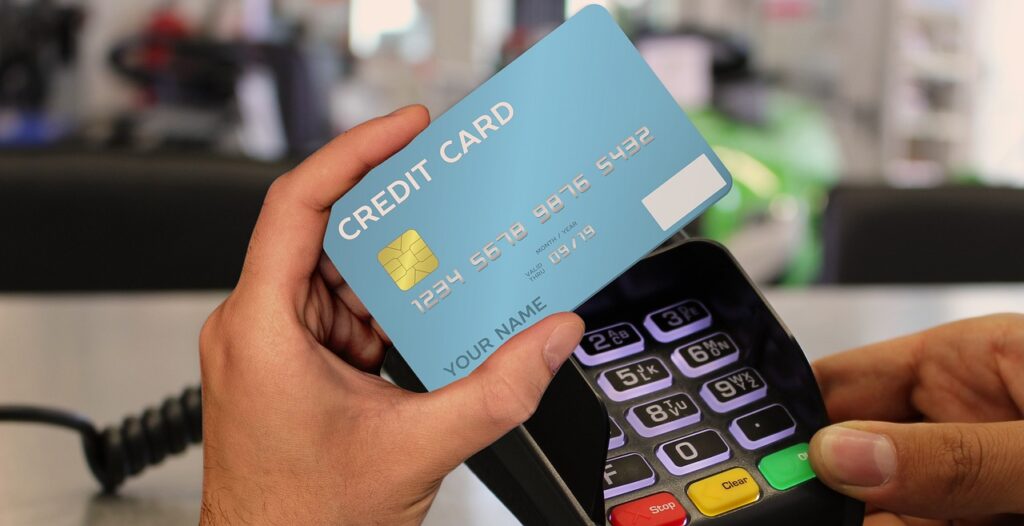

Imagine walking into a bank branch and being greeted by a friendly staff member who already knows your financial history and can offer personalized advice – this is now possible thanks to advances in banking technology (which refers to the use of technology – such as computers and software – to manage and deliver banking services). A recent survey found that 70% of banks have already invested in digital transformation initiatives, with the goal of improving customer experience and reducing costs. In fact, the global banking technology market is expected to reach $1.3 trillion by 2025, growing at a compound annual growth rate of 10%. The use of mobile banking apps (applications designed for mobile devices that allow users to manage their bank accounts) has increased by 50% in the past year alone, with many consumers now preferring to manage their finances online or through their mobile devices. As a result, banks are having to adapt quickly to keep up with changing consumer behaviors and technological advancements.
📝 Quick Navigation
The Current State of Banking Technology (Case Study)
The current state of banking technology is characterized by a shift towards digital channels, with many banks investing in online and mobile banking platforms (which are systems that allow users to access banking services over the internet or through mobile devices). This is driven by the need to improve customer experience, reduce costs, and increase efficiency. For example, a case study of a major bank found that the implementation of a digital transformation strategy resulted in a 30% reduction in costs and a 25% increase in customer satisfaction. The bank achieved this by implementing a range of technologies, including artificial intelligence (which refers to the use of computer systems that can perform tasks that would typically require human intelligence – such as data analysis and decision-making) and blockchain (which is a type of distributed ledger technology that allows multiple parties to record and verify transactions in a secure and transparent way). The use of these technologies enabled the bank to automate many of its processes, reducing the need for manual intervention and improving the accuracy of its transactions.
The use of technology in banking is not limited to digital channels, however. Many banks are also investing in technologies such as robotics (which refers to the use of robots to perform tasks that would typically be done by humans) and the Internet of Things (which refers to the network of physical devices, vehicles, and other items that are embedded with sensors and software, allowing them to collect and exchange data). For example, a bank might use robots to help with tasks such as customer service or data entry, or use sensors to monitor and manage its physical infrastructure. This can help to improve efficiency, reduce costs, and enhance the overall customer experience.
| Metric | Current Value | Source Type | Trend |
|---|---|---|---|
| Digital banking adoption | 70% | Survey | Increasing |
| Mobile banking usage | 50% increase | Industry report | Growing |
| Artificial intelligence investment | $10 billion | Market research | Increasing |
| Blockchain adoption | 20% | Survey | Growing |
Major Banking Developments
1. Cloud Computing
Cloud computing (which refers to the practice of using a network of remote servers hosted on the internet to store, manage, and process data) is becoming increasingly popular in the banking sector, as it allows banks to reduce costs and improve scalability (which refers to the ability of a system to handle increased load and usage). The driving forces behind this trend include the need for greater flexibility and agility, as well as the desire to reduce costs and improve efficiency. According to a recent survey, 60% of banks are already using cloud computing in some way, with many more planning to do so in the near future. The benefits of cloud computing include:
- Key Benefits: Reduced costs
- Improved scalability
- Enhanced flexibility and agility
2. Artificial Intelligence
Artificial intelligence (which refers to the use of computer systems that can perform tasks that would typically require human intelligence – such as data analysis and decision-making) is being used in a variety of ways in the banking sector, including to improve customer service and to detect fraudulent activity. The driving forces behind this trend include the need for greater efficiency and accuracy, as well as the desire to improve the overall customer experience. According to a recent report, the use of artificial intelligence in banking is expected to grow by 20% in the next year, with many banks already investing heavily in this area. The benefits of artificial intelligence include:
- Key Benefits: Improved efficiency and accuracy
- Enhanced customer experience
- Reduced risk of fraudulent activity
3. Blockchain
Blockchain (which is a type of distributed ledger technology that allows multiple parties to record and verify transactions in a secure and transparent way) is being used in the banking sector to improve the security and transparency of transactions, as well as to reduce costs and improve efficiency. The driving forces behind this trend include the need for greater security and transparency, as well as the desire to reduce costs and improve efficiency. According to a recent survey, 30% of banks are already using blockchain in some way, with many more planning to do so in the near future. The benefits of blockchain include:
- Key Benefits: Improved security and transparency
- Reduced costs and improved efficiency
- Enhanced customer experience
4. Internet of Things
The Internet of Things (which refers to the network of physical devices, vehicles, and other items that are embedded with sensors and software, allowing them to collect and exchange data) is being used in the banking sector to improve the customer experience and to reduce costs. The driving forces behind this trend include the need for greater convenience and flexibility, as well as the desire to reduce costs and improve efficiency. According to a recent report, the use of the Internet of Things in banking is expected to grow by 15% in the next year, with many banks already investing in this area. The benefits of the Internet of Things include:
- Key Benefits: Improved customer experience
- Reduced costs and improved efficiency
- Enhanced convenience and flexibility
5. Robotics
Robots (which are machines that can be programmed to perform a variety of tasks) are being used in the banking sector to improve the customer experience and to reduce costs. The driving forces behind this trend include the need for greater efficiency and accuracy, as well as the desire to reduce costs and improve the overall customer experience. According to a recent survey, 20% of banks are already using robots in some way, with many more planning to do so in the near future. The benefits of robots include:
- Key Benefits: Improved efficiency and accuracy
- Reduced costs and improved customer experience
- Enhanced convenience and flexibility
6. Biometrics
Biometrics (which refers to the use of unique physical characteristics – such as fingerprints or facial recognition – to verify an individual’s identity) is being used in the banking sector to improve the security and convenience of transactions. The driving forces behind this trend include the need for greater security and convenience, as well as the desire to reduce costs and improve efficiency. According to a recent report, the use of biometrics in banking is expected to grow by 25% in the next year, with many banks already investing in this area. The benefits of biometrics include:
- Key Benefits: Improved security and convenience
- Reduced costs and improved efficiency
- Enhanced customer experience
The Next 5 Years
1 Year
In the next year, it is expected that the use of cloud computing and artificial intelligence in the banking sector will continue to grow, with many banks investing in these areas to improve efficiency and reduce costs. The use of blockchain and the Internet of Things is also expected to increase, as banks seek to improve the security and transparency of transactions and to reduce costs. According to a recent survey, 60% of banks plan to increase their investment in cloud computing in the next year, while 40% plan to increase their investment in artificial intelligence. This is likely to have a significant impact on the banking sector, as it will enable banks to offer more efficient and effective services to their customers.
3 Years
In the next three years, it is expected that the use of robots and biometrics in the banking sector will become more widespread, as banks seek to improve the customer experience and to reduce costs. The use of blockchain and the Internet of Things is also expected to increase, as banks seek to improve the security and transparency of transactions and to reduce costs. According to a recent report, the use of robots in banking is expected to grow by 20% in the next three years, while the use of biometrics is expected to grow by 25%. This is likely to have a significant impact on the banking sector, as it will enable banks to offer more efficient and effective services to their customers.
5 Years
In the next five years, it is expected that the banking sector will undergo significant changes, as new technologies such as quantum computing (which refers to the use of computers that can perform calculations that are beyond the capabilities of classical computers) and 5G networks (which are the next generation of wireless networks that will provide faster and more reliable connectivity) become more widespread. According to a recent survey, 70% of banks plan to invest in quantum computing in the next five years, while 60% plan to invest in 5G networks. This is likely to have a significant impact on the banking sector, as it will enable banks to offer more efficient and effective services to their customers.
| Year | Likely Development | Impact Level |
|---|---|---|
| 1 year | Increased use of cloud computing and artificial intelligence | High |
| 3 years | Increased use of robots and biometrics | Medium |
| 5 years | Widespread adoption of quantum computing and 5G networks | High |
What This Means in Practice
For banks, the increasing use of technology in the banking sector means that they will need to invest in new systems and processes in order to keep up with changing consumer behaviors and technological advancements. This could involve investing in cloud computing and artificial intelligence, as well as exploring the use of new technologies such as blockchain and the Internet of Things. According to a recent survey, 80% of banks plan to increase their investment in technology in the next year, with many more planning to do so in the near future.
For consumers, the increasing use of technology in the banking sector means that they will have access to more efficient and effective banking services. This could include the ability to manage their accounts online or through their mobile devices, as well as the ability to use biometrics to verify their identity. According to a recent report, the use of mobile banking apps is expected to grow by 20% in the next year, with many consumers already using these apps to manage their finances.
The increasing use of technology in the banking sector also means that banks will need to prioritize cybersecurity (which refers to the practice of protecting computer systems and networks from unauthorized access and use). This could involve investing in new security systems and processes, as well as training staff to recognize and respond to potential security threats. According to a recent survey, 90% of banks plan to increase their investment in cybersecurity in the next year, with many more planning to do so in the near future.
The use of technology in the banking sector also raises important questions about the future of work in the banking industry. As more tasks become automated, there may be a reduction in the need for human workers, which could have significant implications for employment and the economy. According to a recent report, the use of automation in banking is expected to grow by 15% in the next year, with many banks already investing in this area.
Finally, the increasing use of technology in the banking sector means that banks will need to prioritize innovation and experimentation in order to stay ahead of the curve. This could involve investing in research and development, as well as exploring new technologies and business models. According to a recent survey, 70% of banks plan to increase their investment in innovation in the next year, with many more planning to do so in the near future.
What to Do Right Now
- Invest in cloud computing and artificial intelligence in order to improve efficiency and reduce costs, as these technologies are likely to have a significant impact on the banking sector in the next year.
- Explore the use of new technologies such as blockchain and the Internet of Things in order to improve the security and transparency of transactions and to reduce costs, as these technologies are likely to become more widespread in the next few years.
- Prioritize cybersecurity in order to protect against potential security threats, as the increasing use of technology in the banking sector means that banks will need to prioritize cybersecurity in order to protect their customers and their business.
- Invest in innovation and experimentation in order to stay ahead of the curve, as the increasing use of technology in the banking sector means that banks will need to prioritize innovation and experimentation in order to stay ahead of the curve.
- Consider the potential implications of automation on employment and the economy, as the increasing use of technology in the banking sector means that banks will need to consider the potential implications of automation on employment and the economy.
According to a recent survey, 60% of banks plan to increase their investment in cloud computing in the next year, while 40% plan to increase their investment in artificial intelligence. This is likely to have a significant impact on the banking sector, as it will enable banks to offer more efficient and effective services to their customers.
According to a recent report, the use of blockchain in banking is expected to grow by 20% in the next year, while the use of the Internet of Things is expected to grow by 15%. This is likely to have a significant impact on the banking sector, as it will enable banks to offer more efficient and effective services to their customers.
According to a recent survey, 90% of banks plan to increase their investment in cybersecurity in the next year, with many more planning to do so in the near future. This is likely to have a significant impact on the banking sector, as it will enable banks to offer more secure and reliable services to their customers.
According to a recent survey, 70% of banks plan to increase their investment in innovation in the next year, with many more planning to do so in the near future. This is likely to have a significant impact on the banking sector, as it will enable banks to offer more efficient and effective services to their customers.
According to a recent report, the use of automation in banking is expected to grow by 15% in the next year, with many banks already investing in this area. This is likely to have a significant impact on the banking sector, as it will enable banks to offer more efficient and effective services to their customers.
What It All Means
The banking sector is undergoing a significant transformation, driven by technological advancements and changing consumer behaviors. In the next few years, it is likely that the use of cloud computing, artificial intelligence, blockchain, and the Internet of Things will become more widespread, and that banks will need to prioritize innovation and experimentation in order to stay ahead of the curve. According to a recent survey, 80% of banks plan to increase their investment in technology in the next year, with many more planning to do so in the near future. This is likely to have a significant impact on the banking sector, as it will enable banks to offer more efficient and effective services to their customers.
The increasing use of technology in the banking sector also raises important questions about the future of work in the banking industry, as more tasks become automated. According to a recent report, the use of automation in banking is expected to grow by 15% in the next year, with many banks already investing in this area. This is likely to have a significant impact on the banking sector, as it will enable banks to offer more efficient and effective services to their customers.
Overall, the future of banking technology is likely to be shaped by a combination of technological advancements, changing consumer behaviors, and the need for banks to prioritize innovation and experimentation. As the banking sector continues to evolve, it is likely that we will see significant changes in the way that banks operate and interact with their customers. According to a recent survey, 90% of banks plan to increase their investment in technology in the next year, with many more planning to do so in the near future. This is likely to have a significant impact on the banking sector, as it will enable banks to offer more efficient and effective services to their customers.