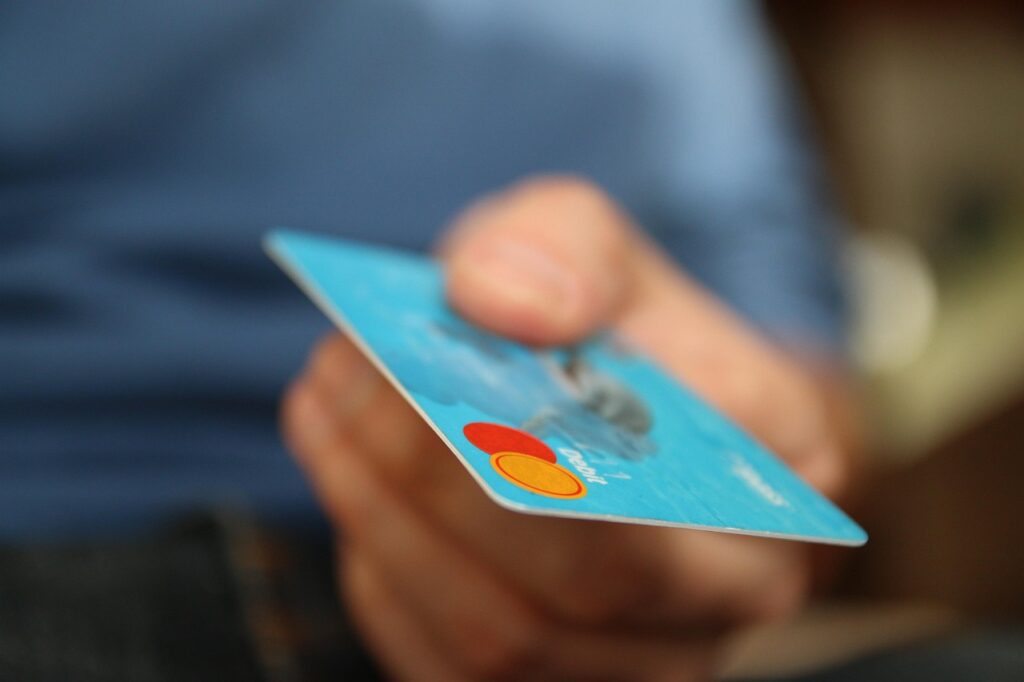

For a long time, people have been skeptical about the concept of cashless payments, mainly due to misconceptions about their security, ease of use, and inclusivity – terms that refer to the ability of a system to be used by everyone, regardless of their background or financial status. This skepticism often stems from a lack of understanding about how cashless payments (transactions made without the use of physical cash) work and their benefits. Many individuals fear that moving away from traditional cash will lead to a loss of privacy and an over-reliance on technology. However, the reality is that cashless payments are designed to be more secure, convenient, and accessible than traditional payment methods. Moreover, they can help reduce the risk of theft and the costs associated with handling cash – a process known as cash handling, which includes managing, storing, and transporting physical money.
📝 Quick Navigation
Common Challenges With Defining Cashless Payments (Myths Debunked)
Security Concerns
One of the primary concerns people have about cashless payments is the fear of their financial information being compromised. This concern arises because people often misunderstand how secure digital transactions are, thinking that because the transaction is digital, it is inherently less secure. However, cashless payments use advanced encryption (a method of securing data by converting it into a code) and two-factor authentication (a security process that requires a user to provide two different authentication factors to access something), making them highly secure.
Lack of Accessibility
Another misconception is that cashless payments are only accessible to those with certain types of bank accounts or credit cards, excluding individuals with limited financial resources. This myth stems from the belief that one needs a lot of money or a specific type of bank account to use cashless payment systems. In reality, many cashless payment systems, such as mobile wallets (applications that allow users to make payments using their mobile devices), are designed to be inclusive and can be used by anyone with a mobile phone, regardless of their financial status.
Fees and Charges
Some people believe that cashless payments come with high fees and charges, making them more expensive than traditional payment methods. This misconception likely arises from the fact that some payment services do charge fees for certain transactions, such as international payments or payments made using credit cards. However, many cashless payment systems, especially those designed for everyday transactions, often have minimal or no fees, making them a cost-effective option for both individuals and businesses.
Dependence on Technology
There’s also a fear that cashless payments make us too dependent on technology, which can be unreliable at times. This fear is rooted in the idea that if technology fails, we will not be able to make transactions. While it’s true that technology can sometimes fail, cashless payment systems are designed with redundancy (the duplication of critical components or systems to ensure continued operation in case one part fails) and backup plans to minimize the impact of any technical issues, ensuring that transactions can still be made even if one part of the system fails.
Privacy Issues
Lastly, there’s a concern about privacy, with people worrying that cashless payments will lead to a loss of financial privacy. This concern stems from the belief that digital transactions leave a traceable record, which could potentially be used to invade one’s privacy. In reality, most cashless payment systems prioritize user privacy, using secure data storage and strict data protection policies to ensure that users’ financial information remains confidential.
Leading Cashless Payment Solutions
1. Mobile Wallets
Mobile wallets are applications that allow users to make payments using their mobile devices. Implementing mobile wallets involves downloading and installing the app, linking a payment method (such as a credit card or bank account), and then using the app to make payments. This can be done by scanning a QR code, tapping the phone on a payment terminal, or entering the payment details manually. The process is straightforward and can be completed in a few minutes.
- What You Gain:
- Convenience: Mobile wallets are always with you, as long as you have your phone.
- Security: They often include advanced security features like fingerprint recognition and encryption.
- Ease of Use: Making a payment is as simple as opening an app and confirming the transaction.
2. Contactless Credit/Debit Cards
Contactless credit/debit cards allow users to make payments by tapping their card on a payment terminal. To implement this solution, one simply needs to obtain a contactless card from their bank and use it for transactions under a certain limit, usually without the need for a PIN or signature. The limit varies by country and bank but is typically set to prevent large, unauthorized transactions.
- What You Gain:
- Speed: Transactions are faster than traditional card payments.
- Convenience: No need to insert the card or enter a PIN for small purchases.
- Security: Cards are protected by the same security standards as traditional cards, with the added benefit of not having to handle cash.
3. Online Banking Services
Online banking services allow users to manage their accounts and make transactions over the internet. Implementing online banking involves registering for the service through one’s bank, setting up a username and password, and then using the online platform to view account balances, pay bills, and transfer money. This provides a centralized place to manage one’s finances.
- What You Gain:
- Accessibility: Banking can be done from anywhere with an internet connection.
- Time Savings: Transactions and bill payments can be made quickly without having to visit a bank branch.
- Organization: All financial information is in one place, making it easier to track expenses and stay on top of finances.
4. Payment Apps
Payment apps, like Venmo or PayPal, allow users to send and receive money using their mobile devices. To implement this solution, users download the app, link their payment method, and then can send money to friends, family, or businesses. These apps often include social features, making it easy to split bills or request money from others.
- What You Gain:
- Social Sharing: Easy to split bills or request money from others.
- Convenience: No need to carry cash or visit an ATM to send money.
- Speed: Transactions are typically fast, with money being transferred almost instantly.
5. Cryptocurrencies
Cryptocurrencies, such as Bitcoin, are digital currencies that use cryptography (the practice and study of techniques for secure communication) for secure financial transactions. Implementing cryptocurrencies involves setting up a digital wallet, obtaining the currency through mining (solving complex mathematical problems) or purchasing it, and then using it to make transactions. Cryptocurrencies offer a high level of anonymity and are decentralized, meaning they are not controlled by any government or institution.
- What You Gain:
- Anonymity: Transactions can be made without revealing one’s identity.
- Decentralization: Not controlled by any single entity, offering freedom from traditional banking systems.
- Security: Transactions are secure and immutable, thanks to blockchain technology (a method of recording data across a network of computers so that it cannot be altered).
6. Bank Transfers
Bank transfers involve moving money directly from one bank account to another. Implementing bank transfers requires knowing the recipient’s bank details, such as their account number and routing number, and then using online banking or visiting a bank branch to initiate the transfer. This method is secure and reliable but can sometimes take a few days to process.
- What You Gain:
- Security: Direct transfers are less susceptible to fraud compared to carrying cash.
- Reliability: Once initiated, the transfer is usually guaranteed, provided the sender has sufficient funds.
- Record Keeping: Both parties have a clear record of the transaction, which can be useful for accounting and tax purposes.
| Approach | Old Way | Better Way | Result |
|---|---|---|---|
| Payment Method | Cash | Cashless Payments | Increased Security and Convenience |
| Transaction Speed | Slow, especially for large transactions | Fast, with most transactions being instant | Improved Efficiency and Reduced Waiting Times |
| Accessibility | Limited, especially in rural or underdeveloped areas | High, with the potential to reach anyone with a mobile phone | Financial Inclusion and Reduced Poverty |
| Cost | High, due to cash handling and transportation costs | Low, with minimal to no fees for most transactions | Cost Savings for Businesses and Individuals |
| Record Keeping | Manual, with a high risk of errors or loss | Digital, with automatic and secure record keeping | Improved Accuracy and Reduced Risk of Fraud |
Why People Are Paying Attention
In Sweden, the move towards a cashless society has been particularly successful, with many businesses no longer accepting cash. This shift has not only increased efficiency but also reduced crime rates related to cash robberies. The success in Sweden serves as a model for other countries looking to adopt cashless payment systems.
In India, the government’s initiative to promote digital payments has led to a significant increase in the use of mobile wallets and other cashless payment methods. This has been particularly beneficial for rural areas, where access to traditional banking services is limited. The initiative has helped in reducing poverty and promoting financial inclusion.
China has seen a rapid adoption of cashless payments, especially through mobile payment apps like WeChat Pay and Alipay. These apps have not only made transactions easier but have also become integral to the daily lives of Chinese citizens, offering services beyond payments, such as booking appointments and ordering food.
In the United States, the use of contactless credit and debit cards has been on the rise, offering consumers a convenient and secure way to make transactions. This has been driven by the increasing acceptance of contactless payments by merchants and the issuance of contactless cards by banks.
Lastly, in Africa, mobile payments have revolutionized the way people transfer money, especially in countries where traditional banking infrastructure is underdeveloped. Services like M-Pesa have made it possible for individuals to send and receive money using their mobile phones, promoting financial inclusion and economic growth.
Step-by-Step Action Plan
- Start by educating yourself about the different types of cashless payment methods available, such as mobile wallets, contactless cards, and online banking, to understand which one best suits your needs, because having the right knowledge will help you make informed decisions about your financial transactions.
- Choose a cashless payment method that aligns with your lifestyle and financial habits, considering factors such as security, convenience, and cost, to ensure that you are using a method that is not only efficient but also secure.
- Set up your chosen cashless payment method by following the provider’s instructions, which usually involves downloading an app, linking a payment source, and setting up security features, to start using the service as soon as possible.
- Begin using your cashless payment method for small transactions to get accustomed to how it works and to build confidence in its security and reliability, starting with low-risk transactions to minimize any potential losses.
- Gradually increase the amount and frequency of your cashless transactions as you become more comfortable with the process, expanding your use of cashless payments to more aspects of your financial life.
- Explore additional features and services offered by your cashless payment provider, such as bill payments, transfers, and savings tools, to maximize the benefits of using cashless payments and to streamline your financial management.
- Regularly review and update your cashless payment method’s security settings and account information to ensure your transactions remain secure and to protect against any potential threats, maintaining the security of your financial information.
Key Takeaways
Cashless payments are not just a convenient alternative to traditional payment methods but also offer a secure, efficient, and inclusive way to manage finances. By understanding and embracing cashless payments, individuals and businesses can benefit from reduced transaction costs, increased security, and improved accessibility. As technology continues to evolve, it’s likely that cashless payments will become even more prevalent, transforming the way we think about and interact with money. Looking forward, the future of financial transactions is undoubtedly digital, and embracing this change will be crucial for individuals and economies to thrive in a rapidly changing world.