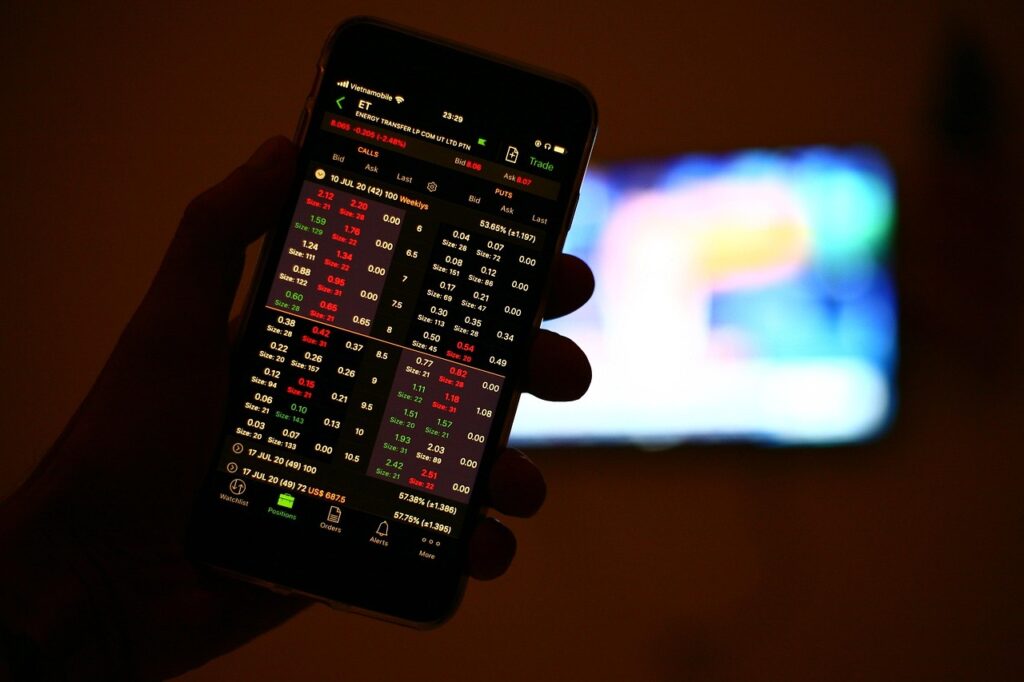

Introduction to Investment Apps
For beginners who have just discovered investment apps, it can be overwhelming to navigate the numerous options available. Investment apps are gaining attention due to their ability to make investing easy and accessible. With the rise of digital technology, investing is no longer limited to Wall Street experts. Everyone can now invest with just a few clicks on their smartphones. The growth of investment apps has been remarkable over the past few years. As of 2026, the number of investment app users has increased significantly.
📝 Article Overview
Breaking Down Investment Apps
Investment apps are platforms that allow users to buy, sell, and manage various investment products, such as stocks, bonds, and exchange-traded funds (ETFs), through their mobile devices or computers. These apps provide a user-friendly interface, low fees, and often no minimum balance requirements, making investing more accessible to a broader audience.
| Term | Plain-English Meaning |
|---|---|
| Stock | A type of security that represents ownership in a company. |
| Bond | A type of investment where an investor lends money to a borrower, typically a corporation or government entity. |
| ETF | An exchange-traded fund, which is a type of investment fund that is traded on a stock exchange, like stocks. |
| Dividend | A payment made by a corporation to its shareholders, usually as a distribution of profits. |
| Portfolio | A collection of investments held by an individual or institution. |
| Brokerage | A company that facilitates the buying and selling of securities, such as stocks and bonds. |
Why Investment Apps Matter
Investment apps are beneficial for individuals who want to start investing but do not know where to begin. These apps provide educational resources, such as articles, videos, and webinars, to help users understand investing concepts. Additionally, investment apps offer low fees, which can help users save money compared to traditional brokerage firms. According to a report, the average cost of using an investment app is significantly lower than that of a traditional brokerage firm.
Investment apps also cater to a wide range of investors, from beginners to experienced traders. For example, some apps offer robo-advisory services, which use algorithms to create and manage a diversified portfolio. This feature is particularly useful for beginners who may not have the knowledge or experience to create their own portfolios. On the other hand, experienced traders can use apps that offer more advanced features, such as real-time market data and technical analysis tools.
Furthermore, investment apps have made it possible for people to invest small amounts of money, which was not possible with traditional brokerage firms. This has opened up investing to a broader audience, including younger people and those with lower incomes. For instance, some apps allow users to invest as little as $1, making it more accessible to people who may not have a lot of money to invest.
Latest Investment App Technologies
1. Mobile Optimization
Mobile optimization is the process of designing an app to be user-friendly on mobile devices. This is essential for investment apps, as many users access these apps on their smartphones. To optimize an investment app for mobile, developers should ensure that the app is easy to navigate, has a clean design, and provides a seamless user experience. A common beginner mistake is to overlook the importance of mobile optimization, which can lead to a poor user experience.
- Strengths: Increased accessibility, improved user experience, and enhanced security.
- Strengths: Ability to invest on-the-go, receive real-time updates, and access a wide range of investment products.
2. Artificial Intelligence
Artificial intelligence (AI) is being used in investment apps to provide personalized investment recommendations and portfolio management. AI algorithms can analyze a user’s investment goals, risk tolerance, and financial situation to provide tailored advice. To use AI in an investment app, developers should integrate machine learning algorithms that can learn from user data and adapt to changing market conditions. A common beginner mistake is to rely too heavily on AI, which can lead to a lack of human oversight.
- Strengths: Ability to provide personalized investment recommendations, improved portfolio management, and enhanced risk assessment.
- Strengths: Increased efficiency, reduced costs, and improved user experience.
3. Blockchain Technology
Blockchain technology is being used in investment apps to provide secure and transparent transactions. Blockchain is a decentralized ledger that records transactions across a network of computers. To use blockchain technology in an investment app, developers should integrate a blockchain platform that can facilitate secure and transparent transactions. A common beginner mistake is to overlook the regulatory requirements for using blockchain technology.
- Strengths: Increased security, improved transparency, and enhanced trust.
- Strengths: Ability to provide a decentralized and immutable record of transactions, reduced counterparty risk, and improved regulatory compliance.
4. Robo-Advisory Services
Robo-advisory services are being used in investment apps to provide automated investment management. Robo-advisors use algorithms to create and manage a diversified portfolio, which can help reduce costs and improve investment returns. To use robo-advisory services in an investment app, developers should integrate a robo-advisory platform that can provide personalized investment recommendations. A common beginner mistake is to rely too heavily on robo-advisors, which can lead to a lack of human oversight.
- Strengths: Ability to provide personalized investment recommendations, improved portfolio management, and enhanced risk assessment.
- Strengths: Increased efficiency, reduced costs, and improved user experience.
5. Real-Time Market Data
Real-time market data is being used in investment apps to provide users with up-to-date information on market trends and investment products. This can help users make informed investment decisions and stay ahead of the market. To use real-time market data in an investment app, developers should integrate a data feed that can provide real-time market data. A common beginner mistake is to overlook the importance of real-time market data, which can lead to poor investment decisions.
- Strengths: Ability to provide real-time market data, improved investment decisions, and enhanced user experience.
- Strengths: Increased transparency, reduced latency, and improved regulatory compliance.
6. Social Trading
Social trading is being used in investment apps to provide users with a platform to share investment ideas and strategies. Social trading platforms allow users to follow other investors, share investment ideas, and learn from their experiences. To use social trading in an investment app, developers should integrate a social trading platform that can facilitate user interaction and knowledge sharing. A common beginner mistake is to overlook the importance of social trading, which can lead to a lack of community engagement.
- Strengths: Ability to provide a platform for user interaction, improved knowledge sharing, and enhanced community engagement.
- Strengths: Increased transparency, reduced risk, and improved investment decisions.
7. Cryptocurrency Trading
Cryptocurrency trading is being used in investment apps to provide users with a platform to buy, sell, and manage cryptocurrencies. Cryptocurrency trading platforms allow users to trade a wide range of cryptocurrencies, including Bitcoin, Ethereum, and Litecoin. To use cryptocurrency trading in an investment app, developers should integrate a cryptocurrency trading platform that can facilitate secure and transparent transactions. A common beginner mistake is to overlook the regulatory requirements for cryptocurrency trading.
- Strengths: Ability to provide a platform for cryptocurrency trading, improved investment options, and enhanced user experience.
- Strengths: Increased security, reduced counterparty risk, and improved regulatory compliance.
| Step | What You Do | Expected Result |
|---|---|---|
| 1. Mobile Optimization | Design an investment app to be user-friendly on mobile devices. | Increased accessibility and improved user experience. |
| 2. Artificial Intelligence | Integrate machine learning algorithms to provide personalized investment recommendations. | Improved portfolio management and enhanced risk assessment. |
| 3. Blockchain Technology | Integrate a blockchain platform to facilitate secure and transparent transactions. | Increased security and improved transparency. |
| 4. Robo-Advisory Services | Integrate a robo-advisory platform to provide automated investment management. | Improved portfolio management and enhanced risk assessment. |
| 5. Real-Time Market Data | Integrate a data feed to provide real-time market data. | Improved investment decisions and enhanced user experience. |
| 6. Social Trading | Integrate a social trading platform to facilitate user interaction and knowledge sharing. | Improved knowledge sharing and enhanced community engagement. |
| 7. Cryptocurrency Trading | Integrate a cryptocurrency trading platform to facilitate secure and transparent transactions. | Increased investment options and improved user experience. |
Frequently Asked Questions
What is an investment app?
An investment app is a platform that allows users to buy, sell, and manage various investment products, such as stocks, bonds, and ETFs, through their mobile devices or computers. Investment apps provide a user-friendly interface, low fees, and often no minimum balance requirements, making investing more accessible to a broader audience.
How do I choose the best investment app for me?
To choose the best investment app for you, consider your investment goals, risk tolerance, and financial situation. Look for an app that offers a wide range of investment products, low fees, and a user-friendly interface. Additionally, read reviews and do your research to ensure that the app is reputable and secure.
What are the benefits of using an investment app?
The benefits of using an investment app include increased accessibility, improved user experience, and enhanced security. Investment apps provide a user-friendly interface, low fees, and often no minimum balance requirements, making investing more accessible to a broader audience. Additionally, investment apps offer a wide range of investment products, real-time market data, and personalized investment recommendations.
How do I get started with investing in an investment app?
To get started with investing in an investment app, download and install the app, create an account, and fund your account. Then, choose your investment products, set your investment goals, and start investing. It’s essential to educate yourself on investing concepts and strategies to make informed investment decisions.
Are investment apps secure?
Investment apps are designed to be secure, with features such as encryption, two-factor authentication, and secure servers. However, it’s essential to do your research and choose a reputable and secure app to protect your investments and personal information.
The Bottom Line
Investment apps are revolutionizing the way people invest their money, making it easier and more accessible than ever before. With the rise of digital technology, investing is no longer limited to Wall Street experts. Everyone can now invest with just a few clicks on their smartphones. The growth of investment apps has been remarkable over the past few years, and it’s expected to continue in the future.
Investment apps offer a wide range of benefits, including increased accessibility, improved user experience, and enhanced security. They provide a user-friendly interface, low fees, and often no minimum balance requirements, making investing more accessible to a broader audience.
To get the most out of investment apps, it’s essential to educate yourself on investing concepts and strategies, choose a reputable and secure app, and start investing regularly. With the right investment app and a solid investment strategy, you can achieve your financial goals and secure your financial future.