
For years, people assumed that traditional banking was the only way to manage their finances. However, with the rise of digital banking, this notion has been challenged. Choosing the right banking app matters because it can significantly impact one’s financial management and security. A good banking app can provide convenience, ease of use, and strong security features. On the other hand, a poorly designed app can lead to frustration and potential security risks. With numerous banking apps available, it is essential to evaluate and compare them to find the best one for your needs. There are over 10,000 banking apps available worldwide, with new ones emerging every year.
📝 What You'll Learn
What Is a Banking App?
A banking app is a mobile application that allows users to manage their financial accounts, conduct transactions, and access various banking services from their smartphones or tablets. Banking apps have become increasingly popular due to their convenience, speed, and ease of use. They typically offer features such as account balance checking, fund transfers, bill payments, and investment tracking. Some banking apps also provide additional services like budgeting tools, financial planning, and security alerts. To evaluate banking apps, it is crucial to consider key metrics such as security, user experience, features, and customer support.
When comparing banking apps, it is essential to look at the following key metrics:
| App Name | Security Features | User Experience | Features |
|---|---|---|---|
| Bank of America | Two-factor authentication, encryption | 4.5/5 rating, easy navigation | Account management, fund transfers, bill payments |
| Chase Bank | Biometric authentication, secure login | 4.5/5 rating, intuitive interface | Account management, investment tracking, credit score monitoring |
| Citi Bank | Encryption, secure messaging | 4.2/5 rating, user-friendly design | Account management, fund transfers, travel insurance |
| Wells Fargo | Two-factor authentication, account alerts | 4.3/5 rating, easy account management | Account management, fund transfers, bill payments |
Latest Banking Technologies
Mobile Check Deposit
Mobile check deposit is a feature that allows users to deposit checks remotely using their banking app. This technology uses image recognition software to capture and process check images. Mobile check deposit is convenient, saves time, and reduces the need for physical bank visits. For example, Bank of America’s mobile check deposit feature has been used by over 10 million customers, with a deposit limit of $5,000 per day.
- Strengths:
- Convenience: deposit checks from anywhere
- Time-saving: reduces the need for physical bank visits
- Security: uses image recognition software to verify checks
- Drawbacks:
- Limited deposit amounts: typically $5,000 or less per day
- Technical issues: may experience errors or delays
Best for: individuals who need to deposit checks frequently, such as freelancers or small business owners.
Peer-to-Peer Payments
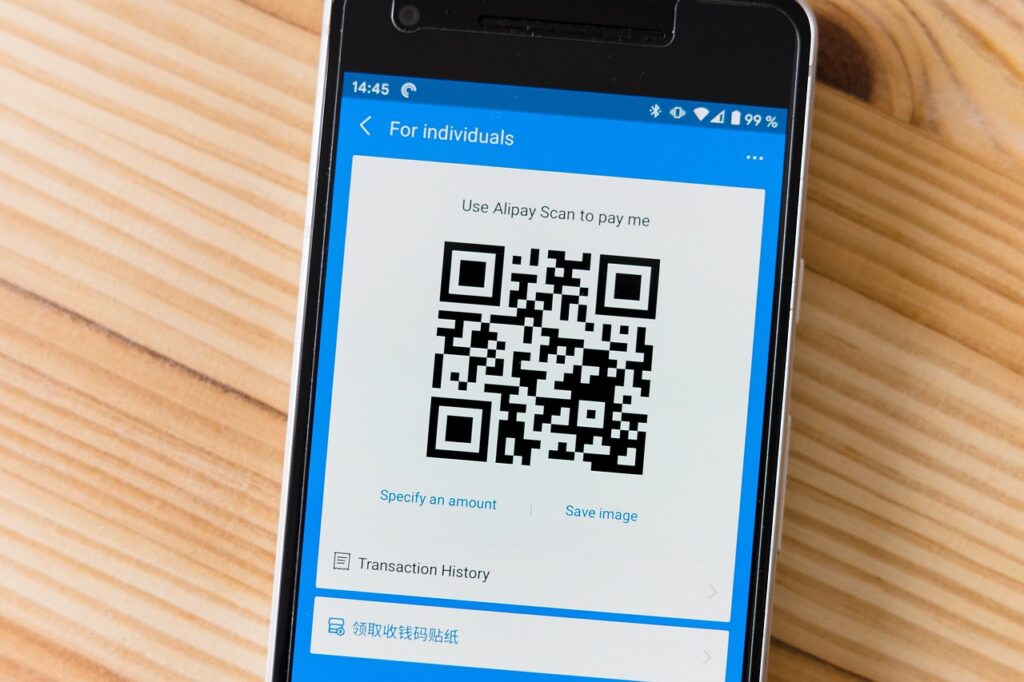
Peer-to-peer payments allow users to send and receive money directly from their banking app. This technology uses secure payment networks to facilitate transactions. Peer-to-peer payments are fast, convenient, and often free. For instance, Zelle’s peer-to-peer payment feature has been used by over 100 million customers, with a transfer limit of $1,000 per day.
- Strengths:
- Speed: transactions are typically processed in minutes
- Convenience: can send and receive money from anywhere
- Security: uses secure payment networks to protect transactions
- Drawbacks:
- Limited transfer amounts: typically $1,000 or less per day
- Fees: may incur fees for instant transfers or large transactions
Best for: individuals who need to send and receive money frequently, such as friends or family members.
Artificial Intelligence
Artificial intelligence is being used in banking apps to provide personalized financial recommendations, detect fraudulent activity, and improve customer service. AI-powered chatbots can help users with account inquiries, transaction issues, and other banking-related tasks. For example, Erica, Bank of America’s AI-powered chatbot, has been used by over 10 million customers, with a response rate of 90% or higher.
- Strengths:
- Personalization: provides tailored financial recommendations
- Security: helps detect and prevent fraudulent activity
- Convenience: offers 24/7 customer support through chatbots
- Drawbacks:
- Dependence on data: requires accurate and up-to-date customer data
- Limited understanding: may not fully comprehend complex customer inquiries
Best for: individuals who value personalized financial advice and convenient customer support, such as young professionals or retirees.
Blockchain Technology
Blockchain technology is being explored in banking apps to enhance security, transparency, and efficiency. Blockchain-based systems can facilitate secure and fast transactions, reduce the risk of fraud, and provide a transparent record of all transactions. For example, JPMorgan Chase’s blockchain-based platform has been used to process over $10 billion in transactions, with a settlement time of less than 10 minutes.
- Strengths:
- Security: provides a secure and transparent record of transactions
- Efficiency: enables fast and low-cost transactions
- Transparency: offers a clear and tamper-proof record of transactions
- Drawbacks:
- Scalability: may not be suitable for large-scale transactions
- Regulation: subject to evolving regulatory frameworks
Best for: individuals and businesses that require secure and efficient transaction processing, such as cross-border traders or cryptocurrency investors.
Biometric Authentication
Biometric authentication is being used in banking apps to provide an additional layer of security. This technology uses unique physical characteristics, such as fingerprints or facial recognition, to verify user identities. Biometric authentication is convenient, secure, and reduces the risk of password-related security breaches. For example, Apple’s Face ID feature has been used by over 100 million iPhone users, with a false acceptance rate of less than 1 in 1 million.
- Strengths:
- Convenience: eliminates the need for passwords or PINs
- Security: provides a unique and secure form of authentication
- Speed: enables fast and seamless login experiences
- Drawbacks:
- Hardware requirements: requires compatible devices with biometric sensors
- False rejections: may experience false rejections or errors
Best for: individuals who value convenience and security, such as busy professionals or parents with multiple accounts.
| Option | Best For | Difficulty | Cost | Speed |
|---|---|---|---|---|
| Mobile Check Deposit | Individuals who need to deposit checks frequently | Easy | Free or low-cost | Fast |
| Peer-to-Peer Payments | Individuals who need to send and receive money frequently | Easy | Free or low-cost | Fast |
| Artificial Intelligence | Individuals who value personalized financial advice and convenient customer support | Medium | Variable | Fast |
| Blockchain Technology | Individuals and businesses that require secure and efficient transaction processing | Difficult | High | Fast |
| Biometric Authentication | Individuals who value convenience and security | Easy | Free or low-cost | Fast |
How to Choose the Right One
Choosing the right banking app depends on several factors, including security features, user experience, features, and customer support. When evaluating banking apps, it is essential to consider the level of security provided, including encryption, two-factor authentication, and secure login. A good banking app should also offer a user-friendly interface, easy navigation, and clear instructions. Additionally, the app should provide a range of features that meet your financial needs, such as account management, fund transfers, and bill payments.
Another crucial factor to consider is customer support. A good banking app should offer 24/7 customer support through various channels, including phone, email, and live chat. The app should also provide a comprehensive FAQ section, user guides, and tutorials to help users navigate the app and resolve any issues that may arise.
When evaluating banking apps, it is also essential to read reviews and ratings from other users. This can provide valuable insights into the app’s performance, security, and overall user experience. Look for apps with high ratings and positive reviews, and be wary of apps with low ratings or numerous complaints.
In addition to these factors, it is also important to consider compatibility and integration. Ensure that the app is compatible with your device and operating system, and that it integrates seamlessly with your existing banking services. This can include integration with your bank’s online banking platform, as well as other financial apps and services.
Finally, consider cost and fees associated with the app. Some banking apps may charge fees for certain services, such as fund transfers or bill payments. Be sure to review the app’s pricing and fee structure before signing up, and consider whether the benefits outweigh the costs.
Why People Are Paying Attention
People are paying attention to banking apps because they offer a convenient and secure way to manage their finances. With the rise of digital banking, individuals can now access their accounts, conduct transactions, and access various banking services from their smartphones or tablets. This has revolutionized the way people bank, making it faster, easier, and more convenient.
Banking apps are also providing personalized financial recommendations, helping users to make informed decisions about their finances. This includes tailored advice on budgeting, saving, and investing, as well as alerts and notifications to help users stay on top of their finances.
Another benefit of banking apps is enhanced security. Many banking apps now offer advanced security features, such as two-factor authentication, biometric authentication, and encryption. This provides an additional layer of protection against cyber threats and helps to prevent fraudulent activity.
Banking apps are also increasing financial inclusion, providing access to banking services for underserved populations. This includes individuals who may not have access to traditional banking services, such as those in rural or remote areas.
In addition to these benefits, banking apps are also improving customer experience. Many banking apps now offer user-friendly interfaces, easy navigation, and clear instructions, making it easier for users to manage their finances and access banking services.
Banking apps are also reducing costs, providing a cost-effective way to manage finances and access banking services. This includes reduced fees for transactions, account maintenance, and other banking services.
One Last Thing
To wrap up, choosing the right banking app requires careful consideration of several factors, including security features, user experience, features, and customer support. By evaluating these factors and considering your individual needs and preferences, you can find a banking app that meets your financial needs and provides a secure and convenient way to manage your finances. With the right banking app, you can take control of your finances, make informed decisions, and achieve your financial goals. Ultimately, the key to finding the right banking app is to do your research, read reviews, and consider your options carefully.