
A staggering 70% of small businesses lose money due to exchange rate fluctuations. Meanwhile, 60% of travelers underestimate the impact of exchange rates on their vacations. The assumption that exchange rates are beyond individual control is a common misconception. In reality, understanding exchange rates can help mitigate financial risks. Exchange rates are not just a concern for large corporations or financial institutions. They affect anyone who travels abroad or conducts international transactions. The complexity of exchange rates often leads to a lack of understanding, which can result in significant financial losses.
📝 What's In This Article
Understanding Exchange Rates
Exchange rates represent the value of one currency in terms of another. They are determined by supply and demand in the foreign exchange market. The exchange rate is influenced by various factors, including economic indicators, political events, and market sentiment. A comparison of different exchange rate systems is essential to understand their implications.
| Exchange Rate System | Description | Examples |
|---|---|---|
| Fixed Exchange Rate | The government fixes the exchange rate to a specific value. | China, Hong Kong |
| Floating Exchange Rate | The exchange rate is determined by market forces. | United States, Japan |
| Hybrid Exchange Rate | A combination of fixed and floating exchange rates. | Singapore, Australia |
| Pegged Exchange Rate | The exchange rate is fixed to another currency or basket of currencies. | Bahrain, Denmark |
Core Exchange Rate Approaches
1. Fundamental Analysis
Fundamental analysis involves studying economic indicators, such as GDP and inflation rates, to predict exchange rate movements. This approach requires a deep understanding of macroeconomic principles and the ability to analyze large datasets. The goal is to identify trends and patterns that can inform exchange rate decisions.
The process involves monitoring economic news and events, analyzing government policies, and assessing the overall health of an economy. By understanding the underlying factors that influence exchange rates, individuals can make more informed decisions.
- Why It Works:
- Helps identify long-term trends: Fundamental analysis provides a comprehensive understanding of economic factors, enabling individuals to recognize long-term patterns in exchange rates.
- Informing investment decisions: By analyzing economic indicators, individuals can make more informed investment decisions, minimizing the risk of financial losses.
- Enhancing risk management: Fundamental analysis allows individuals to anticipate potential risks and develop strategies to mitigate them.
2. Technical Analysis
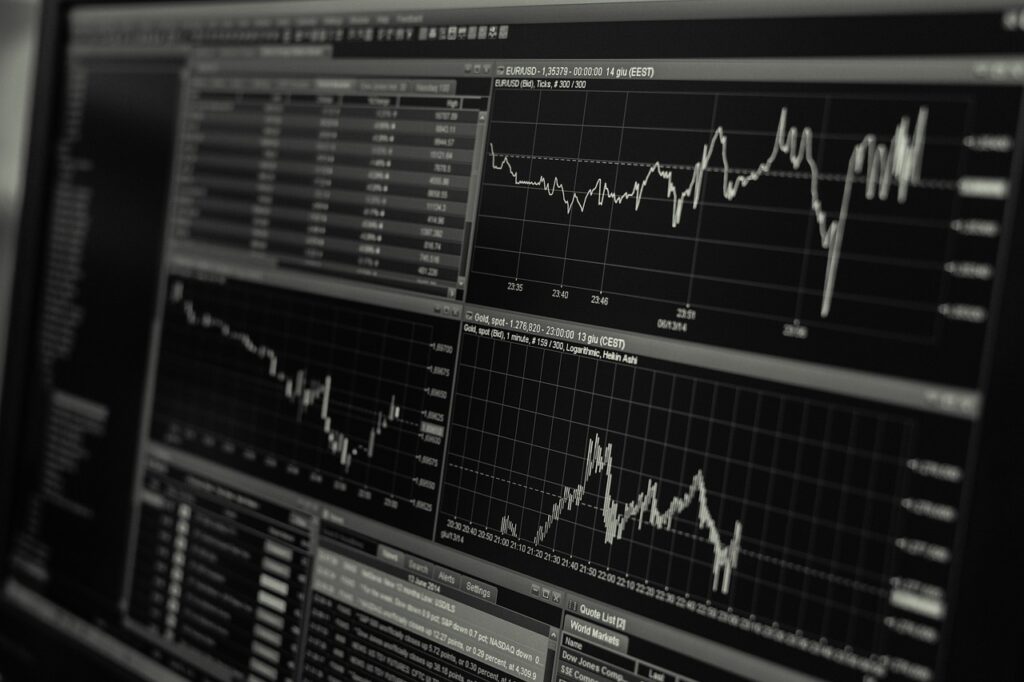
Technical analysis focuses on chart patterns and trends to predict exchange rate movements. This approach involves studying historical data and identifying patterns that can inform future decisions. Technical analysis is often used in conjunction with fundamental analysis to form a comprehensive understanding of exchange rates.
The process involves analyzing charts and graphs, identifying trends and patterns, and using indicators to predict future movements. By combining technical and fundamental analysis, individuals can develop a more accurate understanding of exchange rates.
- Why It Works:
- Identifying trends: Technical analysis helps identify trends and patterns in exchange rates, enabling individuals to make more informed decisions.
- Anticipating market movements: By analyzing charts and graphs, individuals can anticipate potential market movements and adjust their strategies accordingly.
- Enhancing trading strategies: Technical analysis provides a framework for developing and refining trading strategies, minimizing the risk of financial losses.
3. Exchange Rate Forecasting
Exchange rate forecasting involves using statistical models and machine learning algorithms to predict future exchange rate movements. This approach requires a deep understanding of econometrics and the ability to analyze large datasets. The goal is to develop accurate predictions that can inform exchange rate decisions.
The process involves collecting and analyzing data, developing and testing models, and refining predictions based on new information. By using advanced statistical techniques, individuals can develop a more accurate understanding of exchange rates.
- Why It Works:
- Improving prediction accuracy: Exchange rate forecasting provides a framework for developing accurate predictions, minimizing the risk of financial losses.
- Informing investment decisions: By predicting future exchange rate movements, individuals can make more informed investment decisions and adjust their strategies accordingly.
- Enhancing risk management: Exchange rate forecasting allows individuals to anticipate potential risks and develop strategies to mitigate them.
4. Currency Diversification
Currency diversification involves spreading investments across multiple currencies to minimize risk. This approach requires a deep understanding of exchange rates and the ability to analyze market trends. The goal is to develop a diversified portfolio that can withstand exchange rate fluctuations.
The process involves analyzing market trends, identifying potential risks, and developing a diversified portfolio. By spreading investments across multiple currencies, individuals can minimize the risk of financial losses.
- Why It Works:
- Minimizing risk: Currency diversification helps minimize the risk of financial losses by spreading investments across multiple currencies.
- Enhancing returns: By diversifying investments, individuals can potentially enhance their returns and develop a more stable portfolio.
- Improving liquidity: Currency diversification provides a framework for improving liquidity, enabling individuals to respond quickly to changing market conditions.
5. Exchange Rate Hedging
Exchange rate hedging involves using financial instruments to mitigate the risk of exchange rate fluctuations. This approach requires a deep understanding of exchange rates and the ability to analyze market trends. The goal is to develop a hedging strategy that can minimize the risk of financial losses.
The process involves analyzing market trends, identifying potential risks, and developing a hedging strategy. By using financial instruments, individuals can minimize the risk of exchange rate fluctuations and develop a more stable portfolio.
- Why It Works:
- Minimizing risk: Exchange rate hedging helps minimize the risk of financial losses by using financial instruments to mitigate exchange rate fluctuations.
- Enhancing stability: By hedging against exchange rate risks, individuals can develop a more stable portfolio and minimize the risk of financial losses.
- Improving cash flow: Exchange rate hedging provides a framework for improving cash flow, enabling individuals to respond quickly to changing market conditions.
What This Means in Practice
✔ Improved Financial Stability
Understanding exchange rates and using effective approaches can improve financial stability. By minimizing the risk of financial losses, individuals can develop a more stable portfolio and enhance their overall financial well-being. Improved financial stability also enables individuals to respond quickly to changing market conditions and make more informed investment decisions.
✔ Enhanced Investment Returns
Exchange rate approaches can also enhance investment returns. By predicting future exchange rate movements and adjusting investment strategies accordingly, individuals can potentially enhance their returns and develop a more stable portfolio. Enhanced investment returns also enable individuals to achieve their financial goals more quickly and develop a more secure financial future.
✔ Better Risk Management
Effective exchange rate approaches can also improve risk management. By anticipating potential risks and developing strategies to mitigate them, individuals can minimize the risk of financial losses and develop a more stable portfolio. Better risk management also enables individuals to respond quickly to changing market conditions and make more informed investment decisions.
✔ Increased Liquidity
Exchange rate approaches can also improve liquidity. By spreading investments across multiple currencies and using financial instruments to hedge against exchange rate risks, individuals can develop a more liquid portfolio and respond quickly to changing market conditions. Increased liquidity also enables individuals to take advantage of new investment opportunities and develop a more diversified portfolio.
✔ More Informed Decision-Making
Understanding exchange rates and using effective approaches can also enable more informed decision-making. By analyzing market trends and predicting future exchange rate movements, individuals can make more informed investment decisions and adjust their strategies accordingly. More informed decision-making also enables individuals to minimize the risk of financial losses and develop a more stable portfolio.
✔ Reduced Financial Stress
Finally, effective exchange rate approaches can reduce financial stress. By minimizing the risk of financial losses and developing a more stable portfolio, individuals can reduce their financial stress and develop a more secure financial future. Reduced financial stress also enables individuals to focus on their long-term financial goals and develop a more comprehensive financial plan.
| Currency | Exchange Rate | Volatility |
|---|---|---|
| US Dollar | 1.00 | 5% |
| Euro | 0.88 | 3% |
| Japanese Yen | 110.00 | 2% |
| British Pound | 0.76 | 4% |
What’s Coming
- Predictive analytics will play a larger role in exchange rate forecasting, enabling individuals to make more informed decisions.
- The rise of digital currencies will continue to impact exchange rates, leading to increased volatility and new investment opportunities.
- Central banks will continue to play a crucial role in shaping exchange rates, with monetary policy decisions having a significant impact on global markets.
- Trade tensions and geopolitical events will remain a major factor in exchange rate fluctuations, making it essential to stay informed about global events.
- The increasing use of automation and artificial intelligence in foreign exchange markets will lead to faster and more efficient trading, but also increased risks.
Predictive analytics will provide a framework for analyzing large datasets and identifying patterns that can inform exchange rate decisions. By using predictive analytics, individuals can develop a more accurate understanding of exchange rates and make more informed investment decisions.
The growth of digital currencies will lead to increased volatility in exchange rates, as new currencies and investment opportunities emerge. By understanding the impact of digital currencies on exchange rates, individuals can develop a more comprehensive investment strategy and minimize the risk of financial losses.
Central banks will remain a key factor in shaping exchange rates, as monetary policy decisions influence interest rates, inflation, and economic growth. By understanding the role of central banks in shaping exchange rates, individuals can develop a more informed investment strategy and minimize the risk of financial losses.
Trade tensions and geopolitical events will continue to impact exchange rates, as global events and policies influence trade flows and investment decisions. By staying informed about global events, individuals can develop a more comprehensive understanding of exchange rates and make more informed investment decisions.
The growth of automation and artificial intelligence in foreign exchange markets will lead to faster and more efficient trading, but also increased risks. By understanding the impact of automation and artificial intelligence on exchange rates, individuals can develop a more comprehensive investment strategy and minimize the risk of financial losses.
Key Takeaways
Understanding exchange rates is crucial for making informed investment decisions and minimizing the risk of financial losses. By using effective approaches, such as fundamental analysis, technical analysis, and exchange rate forecasting, individuals can develop a more comprehensive understanding of exchange rates and make more informed decisions. The future of exchange rates will be shaped by a range of factors, including predictive analytics, digital currencies, central banks, trade tensions, and automation.
The importance of exchange rates cannot be overstated, as they have a significant impact on international trade, investment, and economic growth. By staying informed about exchange rates and using effective approaches, individuals can develop a more comprehensive investment strategy and minimize the risk of financial losses.
To wrap up, exchange rates are a complex and dynamic aspect of international finance, and understanding them is essential for making informed investment decisions. By using the approaches and strategies outlined Here, individuals can develop a more comprehensive understanding of exchange rates and achieve their financial goals.