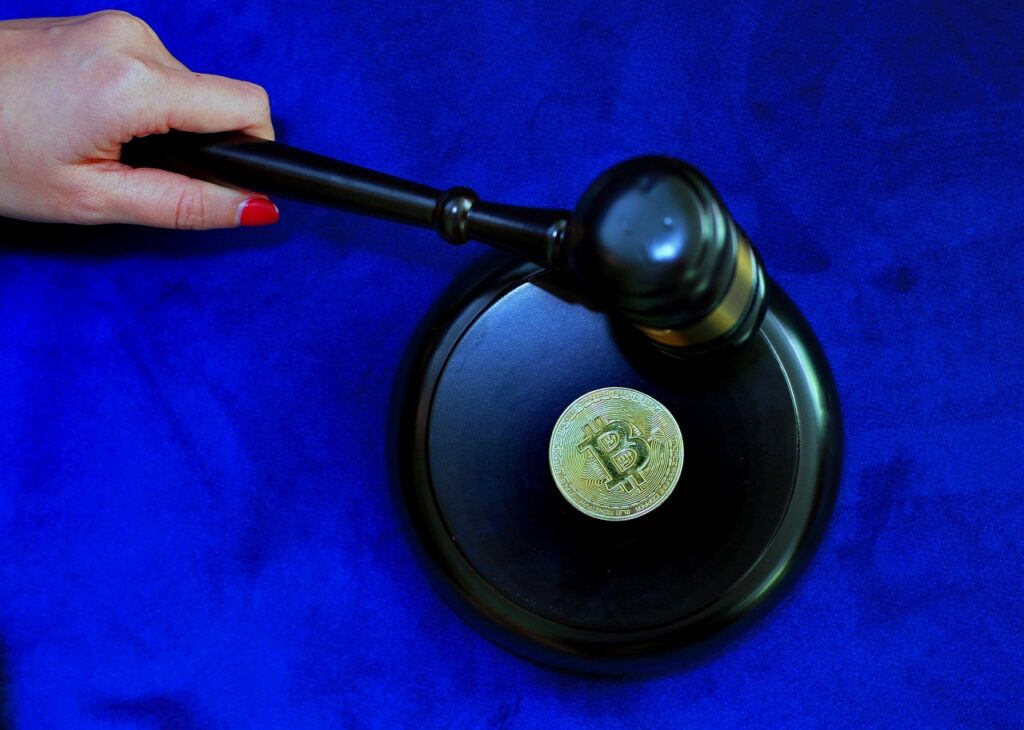

The world of cryptocurrency has grown exponentially over the past decade, with more investors than ever looking to get in on the action. However, the lack of clear regulations has left many feeling frustrated and unsure of how to proceed. For instance, the case of the Winklevoss twins, who invested heavily in Bitcoin only to face significant regulatory hurdles, highlights the challenges investors face. Despite these challenges, many are still eager to tap into the potential of crypto. The regulatory environment is evolving, but it’s crucial for investors to understand the current state of affairs. With the right knowledge, investors can mitigate risks and capitalize on opportunities. In the United States alone, the number of crypto investors has grown from a few thousand to over a million, with the market valued at over $2 trillion. The regulatory landscape is complex, with different countries and jurisdictions having their own set of rules and guidelines.
📝 What's In This Article
Common Challenges With Crypto Regulations (Quick Wins)?
Complexity of Existing Regulations
The regulatory environment for cryptocurrency is complex and often confusing, with different countries and jurisdictions having their own set of rules and guidelines. For example, in the United States, the Securities and Exchange Commission (SEC) has been actively involved in shaping crypto regulations, while in Europe, the European Union has implemented the Fifth Anti-Money Laundering Directive (AMLD5). This complexity can make it difficult for investors to navigate the space safely and effectively. The lack of clear guidelines and inconsistent enforcement of regulations across different jurisdictions can lead to confusion and frustration among investors.
Lack of Clarity on Taxation
Another significant challenge facing crypto investors is the lack of clarity on taxation. In many countries, the tax treatment of cryptocurrencies is still unclear, leaving investors uncertain about how to report their gains and losses. For instance, in the United States, the Internal Revenue Service (IRS) has issued guidance on the tax treatment of cryptocurrencies, but many questions remain unanswered. This lack of clarity can lead to non-compliance and potential penalties for investors. Furthermore, the tax implications of crypto investments can be significant, and investors need clear guidelines to ensure they are meeting their tax obligations.
Security and Anti-Money Laundering Concerns
Security and anti-money laundering (AML) concerns are also major challenges in the crypto space. The decentralized nature of cryptocurrencies makes them vulnerable to hacking and other cyber threats, while the anonymity of transactions can make it difficult to track and prevent money laundering. For example, the 2014 hack of the Mt. Gox exchange resulted in the theft of over $450 million worth of Bitcoin, highlighting the security risks associated with crypto investments. Regulatory bodies have been working to address these concerns, but more needs to be done to ensure the security and integrity of the crypto market.
Volatility and Market Risks
The crypto market is known for its volatility, with prices fluctuating rapidly and unpredictably. This volatility can make it difficult for investors to predict market trends and make informed investment decisions. For instance, the price of Bitcoin has fallen by as much as 50% in a single day, highlighting the market risks associated with crypto investments. Regulatory bodies have been working to address these risks, but more needs to be done to ensure the stability and security of the crypto market.
Lack of Investor Education
Finally, the lack of investor education is a significant challenge in the crypto space. Many investors are new to the market and lack a clear understanding of the risks and opportunities associated with crypto investments. For example, a survey by the Financial Industry Regulatory Authority (FINRA) found that over 70% of investors did not understand the basics of cryptocurrency, highlighting the need for investor education. Regulatory bodies and industry leaders have been working to address this issue, but more needs to be done to ensure that investors have access to accurate and reliable information.
Latest Crypto Regulations Technologies
1. Blockchain-Based Regulatory Platforms
One of the latest technologies being developed to address crypto regulatory challenges is blockchain-based regulatory platforms. These platforms use blockchain technology to provide a secure and transparent way to track and verify transactions, making it easier to comply with regulatory requirements. For example, the company Chainalysis has developed a blockchain-based platform that helps regulatory bodies track and analyze cryptocurrency transactions. To implement this solution, investors can work with companies that specialize in blockchain-based regulatory platforms to develop customized solutions that meet their specific needs. This can involve integrating the platform with existing systems and processes, as well as providing training and support to ensure that investors can use the platform effectively.
- Key Benefits:
- Improved security and transparency
- Enhanced compliance with regulatory requirements
- Increased efficiency and reduced costs
2. Artificial Intelligence (AI) Powered Regulatory Tools
Another technology being developed to address crypto regulatory challenges is AI-powered regulatory tools. These tools use machine learning algorithms to analyze large amounts of data and identify potential regulatory risks, making it easier for investors to comply with regulatory requirements. For example, the company ComplyAdvantage has developed an AI-powered platform that helps investors identify and mitigate regulatory risks. To implement this solution, investors can work with companies that specialize in AI-powered regulatory tools to develop customized solutions that meet their specific needs. This can involve integrating the tool with existing systems and processes, as well as providing training and support to ensure that investors can use the tool effectively.
- Key Benefits:
- Improved accuracy and efficiency
- Enhanced compliance with regulatory requirements
- Increased ability to identify and mitigate regulatory risks
3. Cryptocurrency Exchanges with Built-In Regulatory Compliance
Some cryptocurrency exchanges are now building regulatory compliance into their platforms, making it easier for investors to buy and sell cryptocurrencies while complying with regulatory requirements. For example, the exchange Coinbase has built a platform that includes features such as know-your-customer (KYC) and anti-money laundering (AML) checks, making it easier for investors to comply with regulatory requirements. To implement this solution, investors can work with exchanges that have built-in regulatory compliance features to develop customized solutions that meet their specific needs. This can involve integrating the exchange with existing systems and processes, as well as providing training and support to ensure that investors can use the exchange effectively.
- Key Benefits:
- Improved security and transparency
- Enhanced compliance with regulatory requirements
- Increased efficiency and reduced costs
4. Regulatory Compliance Consulting Services
Regulatory compliance consulting services are also available to help investors navigate the complex regulatory environment. These services provide expert advice and guidance on regulatory compliance, making it easier for investors to comply with regulatory requirements. For example, the company Deloitte has developed a regulatory compliance consulting service that helps investors navigate the complex regulatory environment. To implement this solution, investors can work with consulting services that specialize in regulatory compliance to develop customized solutions that meet their specific needs. This can involve providing training and support to ensure that investors can comply with regulatory requirements effectively.
- Key Benefits:
- Improved compliance with regulatory requirements
- Enhanced understanding of regulatory risks and opportunities
- Increased efficiency and reduced costs
5. Blockchain-Based Identity Verification Platforms
Blockchain-based identity verification platforms are also being developed to address crypto regulatory challenges. These platforms use blockchain technology to provide a secure and transparent way to verify identities, making it easier to comply with regulatory requirements. For example, the company Civic has developed a blockchain-based identity verification platform that helps regulatory bodies verify identities. To implement this solution, investors can work with companies that specialize in blockchain-based identity verification platforms to develop customized solutions that meet their specific needs. This can involve integrating the platform with existing systems and processes, as well as providing training and support to ensure that investors can use the platform effectively.
- Key Benefits:
- Improved security and transparency
- Enhanced compliance with regulatory requirements
- Increased efficiency and reduced costs
6. RegTech Solutions for Crypto Investors
Finally, RegTech solutions are also being developed to address crypto regulatory challenges. These solutions use technology to provide a secure and transparent way to comply with regulatory requirements, making it easier for investors to navigate the complex regulatory environment. For example, the company Suade has developed a RegTech solution that helps investors comply with regulatory requirements. To implement this solution, investors can work with companies that specialize in RegTech solutions to develop customized solutions that meet their specific needs. This can involve integrating the solution with existing systems and processes, as well as providing training and support to ensure that investors can use the solution effectively.
- Key Benefits:
- Improved compliance with regulatory requirements
- Enhanced understanding of regulatory risks and opportunities
- Increased efficiency and reduced costs
| Approach | Old Way | Better Way | Result |
|---|---|---|---|
| Regulatory Compliance | Manual processes and paperwork | Automated processes and digital platforms | Increased efficiency and reduced costs |
| Identity Verification | Paper-based identification documents | Blockchain-based identity verification platforms | Improved security and transparency |
| Tax Compliance | Manual tax reporting and calculation | Automated tax reporting and calculation | Increased accuracy and reduced errors |
| Anti-Money Laundering (AML) Checks | Manual AML checks and monitoring | AI-powered AML checks and monitoring | Improved detection and prevention of money laundering |
| Regulatory Risk Management | Manual risk assessment and mitigation | AI-powered risk assessment and mitigation | Improved understanding of regulatory risks and opportunities |
Practical Takeaways
The company Binance has implemented a range of measures to comply with regulatory requirements, including know-your-customer (KYC) and anti-money laundering (AML) checks. As a result, Binance has been able to expand its operations into new markets and provide a safe and secure platform for investors to buy and sell cryptocurrencies. This example highlights the importance of regulatory compliance in the crypto space and the benefits of implementing effective compliance measures.
The cryptocurrency exchange Kraken has also implemented a range of measures to comply with regulatory requirements, including reporting suspicious transactions to regulatory bodies. As a result, Kraken has been able to build trust with investors and regulatory bodies, and has established itself as a leader in the crypto space. This example highlights the importance of transparency and cooperation with regulatory bodies in the crypto space.
The company Bitstamp has implemented a range of measures to comply with regulatory requirements, including implementing a robust AML program. As a result, Bitstamp has been able to reduce its risk of non-compliance and has established itself as a trusted and reliable platform for investors to buy and sell cryptocurrencies. This example highlights the importance of effective AML measures in the crypto space.
The cryptocurrency exchange Gemini has also implemented a range of measures to comply with regulatory requirements, including obtaining regulatory approvals and licenses. As a result, Gemini has been able to expand its operations into new markets and provide a safe and secure platform for investors to buy and sell cryptocurrencies. This example highlights the importance of regulatory approvals and licenses in the crypto space.
The company Coinbase has implemented a range of measures to comply with regulatory requirements, including implementing a robust compliance program. As a result, Coinbase has been able to build trust with investors and regulatory bodies, and has established itself as a leader in the crypto space. This example highlights the importance of effective compliance measures in the crypto space.
Step-by-Step Action Plan
- Conduct a thorough review of existing regulatory compliance measures to identify areas for improvement. This step is essential to ensure that investors are aware of their current compliance status and can identify areas where they need to improve.
- Develop a customized regulatory compliance plan that meets the specific needs of the investor. This step is crucial to ensure that investors have a plan in place that addresses their unique compliance requirements.
- Implement a range of measures to comply with regulatory requirements, including know-your-customer (KYC) and anti-money laundering (AML) checks. This step is necessary to ensure that investors are complying with regulatory requirements and reducing their risk of non-compliance.
- Integrate regulatory compliance into existing systems and processes to ensure seamless and efficient compliance. This step is important to ensure that regulatory compliance is not a separate and distinct process, but rather an integrated part of the investor’s overall operations.
- Provide training and support to ensure that investors can comply with regulatory requirements effectively. This step is essential to ensure that investors have the knowledge and skills necessary to comply with regulatory requirements.
- Monitor and review regulatory compliance regularly to ensure ongoing compliance and identify areas for improvement. This step is critical to ensure that investors are continuously complying with regulatory requirements and identifying areas where they need to improve.
- Stay up-to-date with the latest regulatory developments and updates to ensure ongoing compliance. This step is necessary to ensure that investors are aware of changes to regulatory requirements and can adjust their compliance plans accordingly.
Closing Thoughts
The world of cryptocurrency is complex and ever-evolving, with regulatory challenges posing a significant hurdle for investors. However, by understanding the latest developments and implementing effective compliance measures, investors can mitigate risks and capitalize on opportunities. As the regulatory environment continues to evolve, it’s essential for investors to stay informed and adapt to changes in the landscape. With the right knowledge and tools, investors can navigate the complex world of cryptocurrency and achieve their investment goals.
The future of cryptocurrency is bright, with many experts predicting significant growth and adoption in the coming years. As regulatory bodies continue to develop and refine their approaches to cryptocurrency, it’s likely that we’ll see increased clarity and consistency in the regulatory environment. This, in turn, is likely to lead to increased investment and innovation in the space, as well as greater mainstream acceptance of cryptocurrency.
As the cryptocurrency market continues to evolve, it’s essential for investors to stay ahead of the curve and be prepared for the opportunities and challenges that lie ahead. By staying informed, adapting to changes in the regulatory environment, and implementing effective compliance measures, investors can navigate the complex world of cryptocurrency and achieve their investment goals.