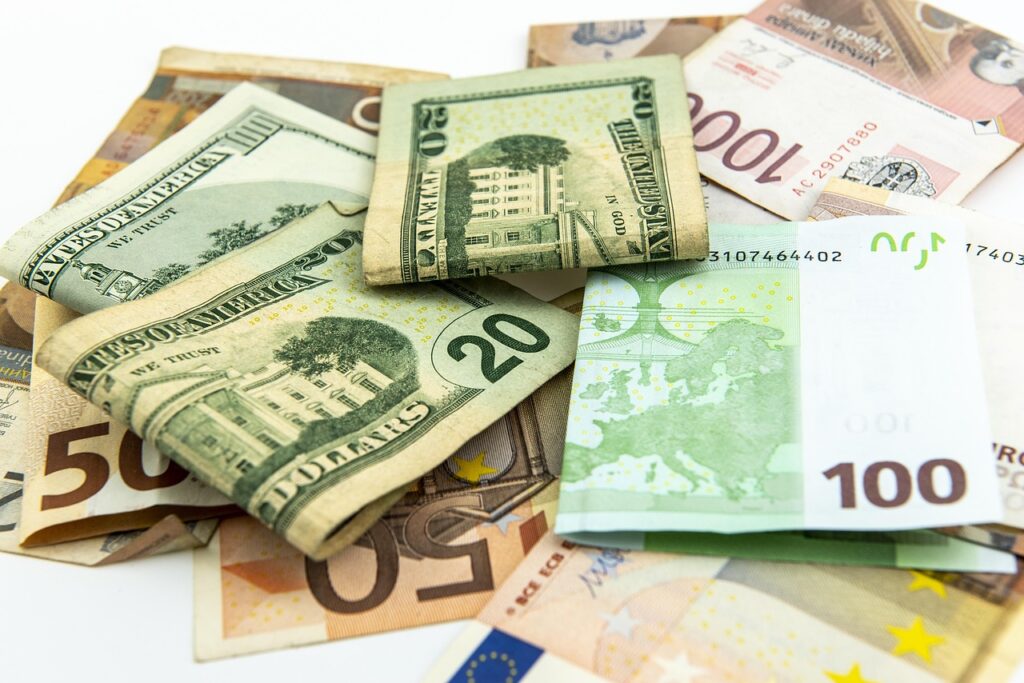

For someone who has just stumbled upon the concept of exchange rates, it can seem like a complex and intimidating topic. Exchange rates are gaining attention right now due to the increasing globalization of trade and the impact of fluctuating currencies on economies worldwide. As more businesses expand internationally and individuals travel or invest abroad, understanding exchange rates becomes essential. The ability to navigate exchange rates effectively can significantly affect the success of international transactions. With the rise of digital payments and online banking, accessing and utilizing exchange rates has become more straightforward than ever. However, navigating through the plethora of information available can be daunting for beginners.
📝 Quick Navigation
Defining Exchange Rates
Exchange rates refer to the price of one country’s currency (the currency being exchanged) in terms of another country’s currency – for example, the price of the US dollar in terms of the euro. This value (exchange rate) is determined by the foreign exchange market, where individuals, businesses, and institutions trade currencies. A key aspect of exchange rates is the distinction between fixed exchange rates (where the rate is set by the government) and floating exchange rates (where the rate is determined by supply and demand in the market).
| Term | Plain-English Meaning |
|---|---|
| Exchange Rate | The price of one country’s currency in another country’s currency. |
| Floating Exchange Rate | An exchange rate determined by the foreign exchange market’s supply and demand. |
| Fixed Exchange Rate | An exchange rate set and maintained by a country’s government. |
| Foreign Exchange Market | A global marketplace where individuals, businesses, and institutions trade currencies. |
| Currency Appreciation | When a currency’s value increases compared to another currency. |
| Currency Depreciation | When a currency’s value decreases compared to another currency. |
Why Exchange Rates Matters
Exchange rates have a profound impact on international trade, investment, and travel. Businesses that import goods from other countries benefit from a strong domestic currency, as it allows them to purchase more foreign goods with the same amount of money. Conversely, a weak domestic currency can make exports cheaper and more competitive in the global market, thereby boosting sales and revenue for export-oriented companies. For example, if the US dollar strengthens against the euro, American companies importing European goods can buy more with their dollars, but American exporters might see a decline in European sales due to higher prices.
Individuals also benefit from favorable exchange rates, especially when traveling abroad. A strong currency can make foreign travel more affordable by increasing the purchasing power of travelers in foreign countries. On the other hand, a weak currency can make trips abroad more expensive. Moreover, exchange rates influence investment decisions, as investors seek currencies with stable or appreciating values to protect or grow their wealth.
The real-world impact of exchange rates can be seen in the economic shifts of countries. For instance, the devaluation of a currency can lead to higher inflation, as imports become more expensive, but it can also boost economic growth by making exports more competitive. The value of a country’s currency can significantly affect its trade balance and economic stability. Understanding and navigating exchange rates can mitigate risks and capitalize on opportunities in the global economy.
Key Exchange Rate Advancements
1. Understanding Exchange Rate Mechanisms
Understanding how exchange rates are determined is crucial. The exchange rate mechanism involves the interaction of supply and demand in the foreign exchange market, influenced by factors such as interest rates, inflation rates, and economic indicators. To use this knowledge, one must stay updated on economic news and trends that could affect currency values. A common beginner mistake is not considering the impact of political events on exchange rates.
- Strengths: Allows for informed decision-making in international transactions, helps in predicting currency fluctuations, and enables the mitigation of foreign exchange risks.
- Enhances the ability to navigate through complex global financial systems.
2. Utilizing Exchange Rate Forecasting Tools
Exchange rate forecasting tools, such as technical analysis and economic models, can help predict future exchange rate movements. To utilize these tools, one needs to understand the basics of technical indicators and how economic data releases can influence exchange rates. A common mistake is over-reliance on a single forecasting method.
- Strengths: Provides insights into potential future exchange rate trends, aids in planning international financial transactions, and helps in managing foreign exchange risk.
- Supports strategic decision-making for businesses and investors.
3. Managing Foreign Exchange Risk
Foreign exchange risk management involves strategies to mitigate the potential losses from exchange rate fluctuations. This can be achieved through hedging techniques, such as forward contracts and options. To manage this risk effectively, understanding the types of hedging instruments and how they work is essential. A common mistake is not regularly reviewing and adjusting hedging strategies.
- Strengths: Protects against potential losses due to adverse exchange rate movements, provides stability in cash flows, and supports long-term financial planning.
- Enhances the predictability of international transactions.
4. Navigating Currency Conversion
Currency conversion is the process of exchanging one currency for another. To navigate this process effectively, one needs to understand the exchange rates, fees associated with the conversion, and the speed of transaction. A common mistake is not comparing fees and exchange rates among different conversion services.
- Strengths: Facilitates international transactions, enables travel and investment abroad, and supports global trade.
- Provides access to a broader range of financial services and investment opportunities.
5. Leveraging Technology for Exchange Rate Tracking
Technology, such as mobile apps and online platforms, can be leveraged to track exchange rates in real-time, receive alerts on significant fluctuations, and execute currency conversions. To use this technology effectively, one must choose reliable and user-friendly platforms. A common mistake is not keeping the tracking tools updated.
- Strengths: Offers convenience and accessibility, provides real-time data and insights, and supports timely decision-making.
- Enhances the efficiency of managing international financial transactions.
6. Engaging in Currency Trading
Currency trading, or forex trading, involves buying and selling currencies with the aim of making a profit from exchange rate fluctuations. To engage in currency trading, understanding the market dynamics, using appropriate trading strategies, and managing risk is crucial. A common mistake is over-leveraging positions.
- Strengths: Offers potential for high returns, provides liquidity, and facilitates the speculation on currency movements.
- Supports the development of financial markets and economic growth.
7. Staying Informed About Economic Indicators
Staying informed about economic indicators, such as GDP, inflation rates, and interest rates, is vital for understanding how they influence exchange rates. To stay informed, one must regularly follow economic news and analyze data releases. A common mistake is not considering the impact of these indicators on long-term exchange rate trends.
- Strengths: Enhances the ability to predict exchange rate movements, supports informed investment decisions, and aids in managing economic risks.
- Provides insights into the overall health and trends of economies.
| Step | What You Do | Expected Result |
|---|---|---|
| 1. Understand Exchange Rate Mechanisms | Study how exchange rates are determined and influenced by economic factors. | Informed decision-making in international transactions. |
| 2. Utilize Exchange Rate Forecasting Tools | Use technical analysis and economic models to predict exchange rate movements. | Insights into potential future exchange rate trends. |
| 3. Manage Foreign Exchange Risk | Implement hedging strategies to mitigate potential losses. | Protection against adverse exchange rate movements. |
| 4. Navigate Currency Conversion | Understand exchange rates, fees, and transaction speeds for currency conversions. | Facilitation of international transactions and travel. |
| 5. use Technology for Exchange Rate Tracking | Use mobile apps and online platforms for real-time exchange rate tracking and alerts. | Convenience, accessibility, and timely decision-making. |
| 6. Engage in Currency Trading | Buy and sell currencies with the aim of profiting from exchange rate fluctuations. | Potential for high returns and speculation on currency movements. |
| 7. Stay Informed About Economic Indicators | Follow economic news and analyze data releases to understand their impact on exchange rates. | Enhanced ability to predict exchange rate movements and manage economic risks. |
Frequently Asked Questions
What is the Difference Between a Fixed and Floating Exchange Rate?
A fixed exchange rate is set and maintained by a country’s government, whereas a floating exchange rate is determined by the supply and demand in the foreign exchange market. The choice between these two systems depends on the country’s economic goals and stability. Fixed rates can provide stability but limit a country’s ability to adjust to economic changes, while floating rates allow for more flexibility but can be volatile.
How Do Exchange Rates Affect Import and Export Businesses?
Exchange rates significantly affect import and export businesses by influencing the cost of imports and the competitiveness of exports. A strong domestic currency makes imports cheaper but can make exports more expensive for foreign buyers, potentially reducing demand. Conversely, a weak domestic currency can boost exports by making them cheaper but increases the cost of imports.
What is the Impact of Exchange Rates on Travel?
Exchange rates can make travel more or less expensive, depending on the strength of the traveler’s currency relative to the destination country’s currency. A strong currency can increase the purchasing power of travelers, making the trip more affordable, while a weak currency can reduce it, making the trip more expensive.
How Do Economic Indicators Influence Exchange Rates?
Economic indicators such as GDP, inflation rates, and interest rates can significantly influence exchange rates. For example, high interest rates can attract foreign investment, causing a currency to appreciate, while high inflation can lead to a depreciation. Understanding these indicators is crucial for predicting exchange rate movements.
Can Individuals Profit from Exchange Rate Fluctuations?
Yes, individuals can profit from exchange rate fluctuations through currency trading or by making timely international transactions. However, this involves significant risk and requires a good understanding of the foreign exchange market and economic trends. It’s essential for individuals to educate themselves and possibly seek professional advice before engaging in such activities.
Wrapping Up
Exchange rates play a vital role in the global economy, affecting not just international trade and investment but also individual travel and financial decisions. Understanding how exchange rates work and being aware of the factors that influence them can help mitigate risks and capitalize on opportunities. By staying informed and adapting to changes in the exchange rate environment, individuals and businesses can navigate the complexities of the global economy more effectively. The knowledge and strategies outlined can serve as a foundation for further exploration and application in the dynamic world of foreign exchange.
As the global economy continues to evolve, the importance of exchange rates will only grow, making it an essential area of study for anyone interested in finance, economics, and international business. Whether an individual is looking to invest abroad, start an import/export business, or simply travel overseas, understanding exchange rates can make a significant difference in achieving their goals. The path to mastering exchange rates is continuous, with new challenges and opportunities arising every day.
In the end, grasping the concepts and mechanisms of exchange rates is not just about understanding economics; it’s about navigating the interconnected world we live in today. By demystifying exchange rates and exploring their role in the global economy, individuals can gain a deeper insight into how money moves around the world and how they can participate in this movement effectively.