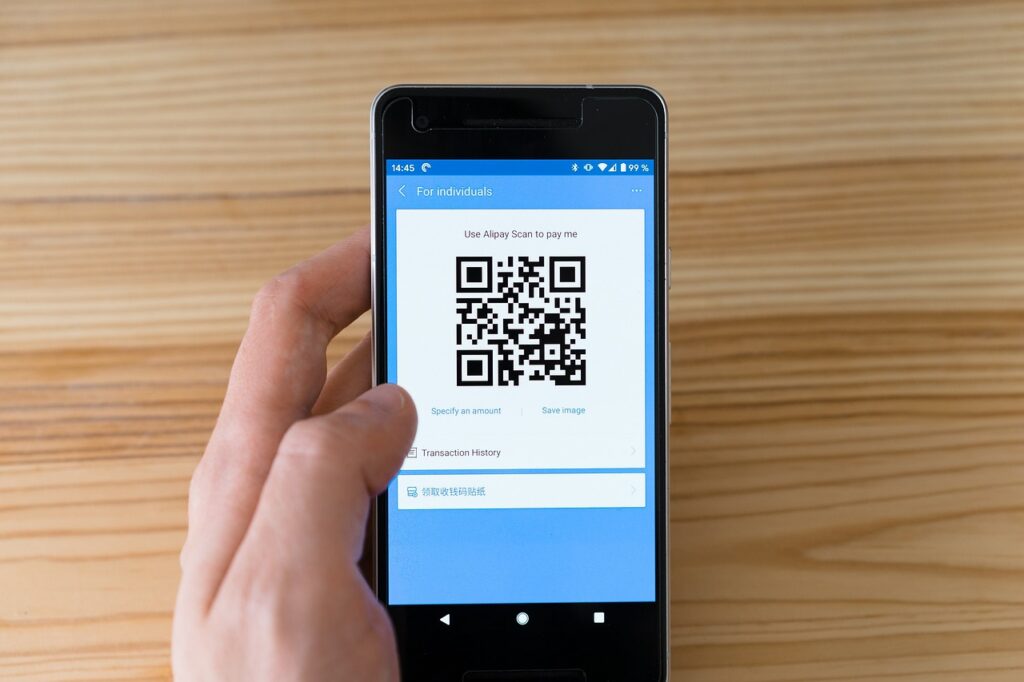

For anyone who has ever stood in line at a store, waiting to pay for groceries or other items, only to realize they left their wallet at home, the concept of cashless payments is a welcome relief. In recent years, cashless payments have become increasingly popular, with many businesses and individuals embracing the convenience and security they offer. For example, in Sweden, over 50% of transactions are now made without cash. Cashless payments solve a specific real-world problem: the need for a convenient, secure, and efficient way to make transactions. This is especially true for people who are always on the go and may not have access to traditional payment methods. With cashless payments, individuals can make purchases and transfer money with just a few taps on their phone. This technology has the potential to revolutionize the way we think about money and make transactions. For instance, in China, cashless payments have become the norm, with over 80% of online transactions being made through mobile payment platforms like WeChat Pay and Alipay.
📝 Article Overview
Breaking Down Cashless Payments
Cashless payments refer to transactions that are made without the use of physical cash. This can include payments made with credit or debit cards, mobile payment apps, and online payment systems. The concept of cashless payments is not new, but recent advancements in technology have made it more accessible and convenient for people around the world. In plain language, cashless payments are a way to make transactions without using physical money.
| Term | Plain-English Meaning |
|---|---|
| Contactless Payment | A payment method that allows users to make transactions by tapping their card or device on a reader. |
| Mobile Wallet | A digital wallet that stores payment information on a mobile device, allowing users to make transactions with their phone. |
| Tokenization | A security measure that replaces sensitive payment information with a unique token, making it more difficult for hackers to access. |
| Biometric Authentication | A security measure that uses unique physical characteristics, such as fingerprints or facial recognition, to verify a user’s identity. |
| Digital Invoice | An electronic bill or receipt that is sent to a user after a transaction, providing a record of the purchase. |
| Payment Gateway | A service that processes transactions between a merchant and a customer, facilitating the transfer of funds. |
Why Cashless Payments Matter
The impact of cashless payments can be seen in various aspects of our lives. For instance, in India, the government’s initiative to promote digital payments has led to a significant increase in cashless transactions, with over 2 billion transactions being made through the Unified Payments Interface (UPI) in a single month. This not only makes transactions more convenient but also helps to reduce the risk of fraud and theft associated with physical cash. Additionally, cashless payments provide an efficient way to track expenses and manage finances, making it easier for individuals and businesses to stay on top of their money. In the United States, for example, over 70% of businesses now accept mobile payments, and this number is expected to grow as more consumers adopt cashless payment methods.
Cashless payments also have a significant impact on the economy. By reducing the need for physical cash, businesses can save money on cash handling and storage, and governments can reduce the cost of printing and distributing currency. Furthermore, cashless payments provide a way to track and monitor transactions, making it easier to prevent money laundering and other financial crimes. In Australia, for instance, the government has implemented a cashless debit card trial, which has resulted in a significant reduction in crime and social problems associated with cash-based welfare payments.
Another benefit of cashless payments is that they provide an opportunity for financial inclusion. In many developing countries, access to traditional banking services is limited, and cashless payments provide a way for individuals to participate in the economy. For example, in Kenya, the mobile payment platform M-Pesa has enabled millions of people to access financial services, including savings, loans, and insurance. This has had a significant impact on the economy, with over 40% of the country’s GDP being transacted through mobile payments.
Key Cashless Payment Advancements
1. Contactless Payment Technology
Contactless payment technology allows users to make transactions by tapping their card or device on a reader. This technology uses near-field communication (NFC) to transmit payment information, making it a fast and convenient way to make transactions. To use contactless payment technology, users simply need to hold their card or device near the reader, and the payment will be processed automatically. However, one common beginner mistake is to assume that all contactless payment systems are the same, when in fact, different systems may have different requirements and limitations.
- Why It Works: Contactless payment technology is secure, convenient, and fast, making it an attractive option for consumers and businesses alike.
- It reduces the need for physical cash and coins, making transactions more efficient.
2. Mobile Wallets
Mobile wallets are digital wallets that store payment information on a mobile device, allowing users to make transactions with their phone. Mobile wallets use tokenization and biometric authentication to secure payment information, making them a secure way to make transactions. To use a mobile wallet, users simply need to download the app, add their payment information, and start making transactions. However, one common beginner mistake is to assume that mobile wallets are only for making online purchases, when in fact, they can be used for in-store purchases as well.
- Why It Works: Mobile wallets are convenient, secure, and easy to use, making them an attractive option for consumers who want to make transactions on the go.
- They provide a way to track expenses and manage finances, making it easier for individuals and businesses to stay on top of their money.
3. Tokenization
Tokenization is a security measure that replaces sensitive payment information with a unique token, making it more difficult for hackers to access. Tokenization is used in mobile wallets and other cashless payment systems to secure payment information and prevent fraud. To use tokenization, businesses simply need to integrate it into their payment system, and the token will be generated automatically. However, one common beginner mistake is to assume that tokenization is only for mobile payments, when in fact, it can be used for all types of transactions.
- Why It Works: Tokenization is a secure way to protect payment information, making it an attractive option for businesses and consumers who want to prevent fraud.
- It reduces the risk of data breaches and cyber attacks, making it a critical component of any cashless payment system.
4. Biometric Authentication
Biometric authentication is a security measure that uses unique physical characteristics, such as fingerprints or facial recognition, to verify a user’s identity. Biometric authentication is used in mobile wallets and other cashless payment systems to secure payment information and prevent fraud. To use biometric authentication, users simply need to register their biometric data, and the system will verify their identity automatically. However, one common beginner mistake is to assume that biometric authentication is only for high-end devices, when in fact, it can be used on a wide range of devices.
- Why It Works: Biometric authentication is a secure way to verify a user’s identity, making it an attractive option for businesses and consumers who want to prevent fraud.
- It provides an additional layer of security, making it more difficult for hackers to access payment information.
5. Digital Invoices
Digital invoices are electronic bills or receipts that are sent to a user after a transaction, providing a record of the purchase. Digital invoices are used in cashless payment systems to provide a convenient and efficient way to track expenses and manage finances. To use digital invoices, businesses simply need to integrate them into their payment system, and the invoice will be generated automatically. However, one common beginner mistake is to assume that digital invoices are only for online purchases, when in fact, they can be used for all types of transactions.
- Why It Works: Digital invoices are convenient, efficient, and easy to use, making them an attractive option for businesses and consumers who want to track expenses and manage finances.
- They provide a way to track expenses and manage finances, making it easier for individuals and businesses to stay on top of their money.
6. Payment Gateways
Payment gateways are services that process transactions between a merchant and a customer, facilitating the transfer of funds. Payment gateways are used in cashless payment systems to provide a secure and efficient way to make transactions. To use a payment gateway, businesses simply need to integrate it into their payment system, and the transaction will be processed automatically. However, one common beginner mistake is to assume that all payment gateways are the same, when in fact, different gateways may have different requirements and limitations.
- Why It Works: Payment gateways are secure, convenient, and efficient, making them an attractive option for businesses and consumers who want to make transactions online.
- They provide a way to track transactions and manage finances, making it easier for individuals and businesses to stay on top of their money.
7. Mobile Point of Sale (mPOS) Systems
Mobile point of sale (mPOS) systems are portable payment terminals that allow businesses to accept card payments on the go. mPOS systems are used in cashless payment systems to provide a convenient and efficient way to make transactions. To use an mPOS system, businesses simply need to download the app, add their payment information, and start making transactions. However, one common beginner mistake is to assume that mPOS systems are only for small businesses, when in fact, they can be used by businesses of all sizes.
- Why It Works: mPOS systems are convenient, efficient, and easy to use, making them an attractive option for businesses who want to accept card payments on the go.
- They provide a way to track transactions and manage finances, making it easier for individuals and businesses to stay on top of their money.
| Step | What You Do | Expected Result |
|---|---|---|
| 1. Contactless Payment Technology | Implement contactless payment technology in your business. | Increased efficiency and convenience for customers. |
| 2. Mobile Wallets | Integrate mobile wallets into your payment system. | Increased security and convenience for customers. |
| 3. Tokenization | Implement tokenization in your payment system. | Increased security and protection of payment information. |
| 4. Biometric Authentication | Implement biometric authentication in your payment system. | Increased security and verification of user identity. |
| 5. Digital Invoices | Integrate digital invoices into your payment system. | Increased efficiency and convenience for customers. |
| 6. Payment Gateways | Integrate payment gateways into your payment system. | Increased security and efficiency for transactions. |
| 7. Mobile Point of Sale (mPOS) Systems | Implement mPOS systems in your business. | Increased convenience and efficiency for customers. |
Frequently Asked Questions
1. What is cashless payment, and how does it work?
Cashless payment refers to transactions that are made without the use of physical cash. It works by using digital payment systems, such as mobile wallets, contactless payment technology, and online payment platforms, to transfer funds between a customer and a merchant. For example, in Japan, the mobile payment platform, PayPay, allows users to make transactions using their smartphones, eliminating the need for physical cash.
2. Is cashless payment secure?
Yes, cashless payment is a secure way to make transactions. It uses advanced security measures, such as tokenization, biometric authentication, and encryption, to protect payment information and prevent fraud. In the United States, for instance, the use of chip-enabled credit cards has significantly reduced the incidence of credit card fraud.
3. Can I use cashless payment for all types of transactions?
Yes, cashless payment can be used for all types of transactions, including online purchases, in-store purchases, and person-to-person transactions. For example, in India, the digital payment platform, UPI, allows users to make transactions with just a few taps on their phone, eliminating the need for physical cash.
4. Do I need to have a bank account to use cashless payment?
No, you don’t need to have a bank account to use cashless payment. Many cashless payment systems, such as mobile wallets and online payment platforms, allow users to store and transfer funds without the need for a traditional bank account. In Kenya, for instance, the mobile payment platform, M-Pesa, allows users to store and transfer funds using their mobile phones, without the need for a bank account.
5. Can I use cashless payment internationally?
Yes, many cashless payment systems can be used internationally, allowing users to make transactions across borders. For example, in China, the mobile payment platform, Alipay, allows users to make transactions in over 200 countries and regions, making it a convenient option for international travelers.
One Last Thing
Cashless payments are revolutionizing the way we make transactions, making it faster, easier, and more secure. With the advancements in technology and the increasing adoption of cashless payment systems, it’s an exciting time for the payments industry. As more businesses and consumers adopt cashless payment methods, we can expect to see even more innovative solutions and applications in the future. The future of payments is cashless, and it’s essential for businesses and individuals to stay ahead of the curve and adapt to the changing landscape of payments.
To wrap up, cashless payments offer a convenient, efficient, and secure way to make transactions, and their impact will only continue to grow in the coming years. Whether you’re a business owner or an individual, it’s essential to understand the benefits and advancements of cashless payments and how they can be used to improve your financial transactions.
By embracing cashless payments, we can create a more efficient, secure, and convenient payment system that benefits everyone involved. So, the next time you’re at a store or online, consider using a cashless payment method and experience the benefits for yourself.