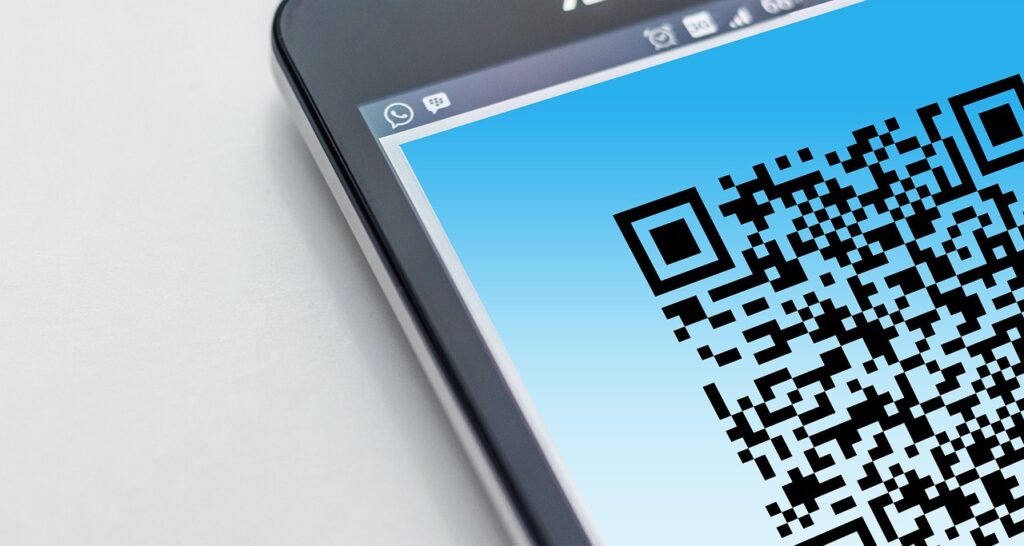

In 2020, QR code payments reached an all-time high, with over 2.2 billion people using the technology worldwide, signaling a significant shift in consumer behavior towards contactless payments. This surge was largely driven by the COVID-19 pandemic, which accelerated the adoption of digital payment methods. For instance, in China, the use of QR codes for payments increased by 15% during the pandemic, with platforms like WeChat and Alipay leading the charge. As the world becomes increasingly digital, businesses are looking for innovative ways to adapt and stay ahead of the curve. With the global QR code payment market expected to reach $3.4 trillion by 2025, it’s clear that QR payments are here to stay. The convenience, speed, and security they offer make them an attractive option for both consumers and merchants. From small startups to large corporations, businesses are integrating QR payments into their operations to enhance the customer experience and streamline transactions.
📝 Article Overview
Understanding QR Payments
The concept of QR payments is straightforward: a customer scans a unique QR code displayed by the merchant using their smartphone, which then prompts a payment request. The transaction is completed once the customer confirms the payment details. This process eliminates the need for physical payment terminals, reducing costs for merchants and increasing the speed of transactions. QR codes can be static or dynamic. Static QR codes are predefined and contain fixed information, whereas dynamic QR codes can be updated in real-time, allowing for more flexibility in payment processing. For example, a restaurant can use a dynamic QR code to update its menu and prices without needing to reprint the codes.
One of the key benefits of QR payments is their ability to facilitate omnichannel retailing, allowing consumers to seamlessly transition between online and offline shopping experiences. This is particularly evident in countries like South Korea, where QR code payments are integrated into almost every aspect of daily life, from public transportation to grocery shopping. To understand the scope of QR payments, it’s essential to compare different payment systems. The following table highlights the main differences between QR code payments and traditional payment methods:
| Payment Method | Security | Cost | Speed |
|---|---|---|---|
| QR Code Payments | High (encrypted transactions) | Low (reduced terminal costs) | Fast (instant transaction processing) |
| Credit/Debit Card Payments | Medium (risk of card skimming) | Medium (transaction fees apply) | Medium (requires physical terminal) |
| Cash Payments | Low (risk of theft) | Low (no transaction fees) | Slow (requires physical handling) |
| Mobile Wallet Payments | High (tokenization and encryption) | Low (reduced transaction fees) | Fast (contactless transactions) |
As seen in the table, QR code payments offer a unique combination of high security, low cost, and fast transaction speeds, making them an attractive option for businesses looking to modernize their payment systems.
Leading QR Payment Solutions
1. Introduction to WeChat Pay
WeChat Pay, owned by Tencent Holdings, is one of the largest QR code payment platforms in the world, with over 800 million active users. It allows users to link their credit or debit cards to their WeChat accounts, enabling seamless payments both online and offline. WeChat Pay’s success can be attributed to its early adoption in China, where it has become an integral part of daily life, from buying groceries to paying utility bills.
The platform’s dominance in the Chinese market has prompted other countries to explore similar QR payment solutions. For instance, in Japan, the government has launched a campaign to increase the use of QR code payments, aiming to reduce cash transactions and promote digital payments. This move is expected to boost the country’s economy by increasing consumer spending and reducing the costs associated with handling cash.
- Strengths:
- Wide user base: With hundreds of millions of active users, WeChat Pay offers businesses access to a vast customer base.
- Integrated services: Beyond payments, WeChat Pay offers a range of services, including money transfers, bill payments, and investment products.
- Security: WeChat Pay uses advanced encryption and tokenization to secure transactions, providing users with a safe payment experience.
2. Alipay and Its Global Expansion
Alipay, operated by Ant Financial, is another leading QR payment platform, with a significant presence in Asia and a growing footprint globally. Alipay’s success in China has been remarkable, with the platform processing billions of transactions daily. Its global expansion has seen partnerships with local payment providers to offer Alipay services to Chinese tourists and businesses abroad.
The strategy has been particularly effective in countries with large Chinese tourist populations, such as Thailand and Singapore, where Alipay has become a common sight in retail stores and restaurants. This expansion not only facilitates cross-border transactions but also introduces the convenience of QR payments to new markets.
- Strengths:
- Global reach: Alipay’s partnerships enable it to offer services in multiple countries, making it a preferred choice for cross-border transactions.
- Innovative features: Alipay continuously updates its platform with new features, such as facial recognition payment and credit scoring services.
- Financial inclusion: By providing access to financial services for the unbanked and underbanked, Alipay promotes financial inclusion in developing economies.
3. Google Pay and Digital Wallets
Google Pay, formerly known as Google Wallet, is a digital wallet platform that allows users to make payments with their smartphones. While not exclusively a QR code payment system, Google Pay supports QR code transactions, making it a versatile option for users. The platform’s integration with Google’s ecosystem provides a seamless payment experience across different devices and services.
Google Pay’s adoption has been steady, especially in countries with high smartphone penetration rates. The platform’s ability to store credit and debit card information securely, along with its support for contactless payments, makes it a popular choice among consumers looking for a convenient and secure payment method.
- Strengths:
- Wide compatibility: Google Pay can be used on a variety of devices, including Android smartphones, watches, and tablets.
- Security: Google Pay uses tokenization to secure transactions, ensuring that actual card numbers are never shared with merchants.
- Convenience: The platform allows for easy storage and management of loyalty cards, gift cards, and boarding passes, in addition to payment methods.
4. Apple Pay and the Rise of Contactless Payments
Apple Pay, launched by Apple Inc., is a mobile payment service that allows users to make payments in person, in apps, and on the web. It uses Near Field Communication (NFC) technology for contactless transactions but also supports QR code payments in certain regions. Apple Pay’s integration with Apple devices, such as iPhones and Apple Watches, provides a seamless payment experience for users.
The adoption of Apple Pay has been significant, especially in the United States and Europe, where contactless payments are becoming more prevalent. Apple Pay’s security features, including Face ID and Touch ID for biometric authentication, have contributed to its popularity among consumers seeking secure payment methods.
- Strengths:
- Secure transactions: Apple Pay uses a unique device account number, rather than the actual card number, to process transactions, enhancing security.
- Ease of use: The platform is user-friendly, allowing for simple addition of credit or debit cards and easy management of payment methods.
- Wide acceptance: Apple Pay is accepted at millions of merchants worldwide, making it a convenient option for daily transactions.
5. PayPal and the Evolution of Online Payments
PayPal, one of the pioneers in online payment systems, has also ventured into QR code payments, offering users a convenient way to make payments in stores and online. PayPal’s QR code feature allows merchants to generate a unique QR code that customers can scan to initiate a payment, simplifying the checkout process.
PayPal’s move into QR payments reflects the company’s commitment to adapting to changing consumer behaviors and technological advancements. By integrating QR code payments into its platform, PayPal aims to provide a seamless payment experience across online and offline channels, further enhancing its position in the digital payments market.
- Strengths:
- Established brand: PayPal’s reputation and trust among consumers and merchants make it an attractive option for QR code payments.
- Global reach: With operations in over 200 markets, PayPal offers a truly global payment solution, including QR code transactions.
- Security and protection: PayPal’s buyer and seller protection policies provide an additional layer of security for transactions, including those made via QR codes.
Why This Matters to You
✔ Enhanced Customer Experience
QR code payments offer a fast and convenient way for customers to make transactions, enhancing their overall shopping experience. By integrating QR payments, businesses can reduce wait times, streamline checkout processes, and provide a more personalized experience for their customers. For example, a retailer could use QR codes to enable customers to quickly pay for items without having to wait in line, improving customer satisfaction and loyalty.
✔ Increased Security
QR code payments are highly secure, using encryption and tokenization to protect transaction data. This reduces the risk of fraud and data breaches, providing peace of mind for both consumers and merchants. The use of QR codes also eliminates the need for physical payment terminals, which can be vulnerable to hacking and skimming.
✔ Reduced Costs
By adopting QR code payments, businesses can significantly reduce their costs associated with traditional payment methods, such as the purchase and maintenance of physical payment terminals. Additionally, QR payments can help businesses save on transaction fees, as they often have lower fees compared to credit card transactions.
✔ Improved Transaction Speed
QR code payments process transactions in real-time, reducing the time it takes to complete a payment. This is particularly beneficial for businesses with high transaction volumes, such as retail stores and restaurants, where speed and efficiency are crucial. Fast transaction processing also enhances the customer experience, as customers can quickly complete their purchases and be on their way.
✔ Enhanced Data Analytics
QR code payments provide businesses with valuable insights into customer behavior and transaction data, which can be used to inform marketing strategies and improve customer engagement. By analyzing QR code payment data, businesses can identify trends and patterns in customer spending, allowing them to tailor their offerings and promotions to meet customer needs.
✔ Increased Financial Inclusion
QR code payments can promote financial inclusion by providing access to payment services for the unbanked and underbanked populations. This is achieved through the use of mobile wallets and other digital payment platforms that do not require traditional bank accounts. By expanding access to financial services, QR code payments can help reduce poverty and inequality, contributing to economic growth and development.
How This Will Evolve
- Predicted Increase in QR Code Adoption
- Integration with Emerging Technologies
- Advancements in QR Code Technology
- Expansion into New Markets
- Increased Regulation and Standardization
The use of QR codes for payments is expected to increase significantly over the next few years, driven by advancements in technology and growing consumer demand for convenient and secure payment methods. As more businesses adopt QR code payments, the infrastructure to support these transactions will also expand, making QR codes a ubiquitous part of daily life.
This increase in adoption will be particularly evident in emerging markets, where mobile penetration is high, and access to traditional banking services is limited. In these regions, QR code payments will play a crucial role in promoting financial inclusion and facilitating economic growth.
QR code payments will likely be integrated with emerging technologies such as blockchain, artificial intelligence, and the Internet of Things (IoT) to enhance security, speed, and convenience. For instance, blockchain technology can be used to create secure and transparent payment networks, while AI can be used to detect and prevent fraudulent transactions.
The integration of QR code payments with IoT devices will enable new use cases, such as smart home payments and autonomous vehicle transactions. This will further expand the reach of QR code payments, making them an integral part of various industries and aspects of daily life.
Advancements in QR code technology, such as the development of more sophisticated encryption methods and improved scanning capabilities, will continue to enhance the security and efficiency of QR code payments. These advancements will also enable the creation of more complex and dynamic QR codes that can store larger amounts of data and perform more intricate functions.
The development of new QR code formats, such as the High-Capacity Color QR Code, will also increase the storage capacity of QR codes, enabling them to be used for more applications, including loyalty programs, inventory management, and product authentication.
QR code payments will continue to expand into new markets, including emerging economies and industries that have not yet adopted digital payment methods. This expansion will be driven by the growing demand for convenient, secure, and low-cost payment solutions, as well as the increasing availability of smartphones and other mobile devices.
The expansion of QR code payments into new markets will also be facilitated by partnerships between payment providers and local businesses, which will help to establish the necessary infrastructure and promote the adoption of QR code payments among consumers and merchants.
As QR code payments become more widespread, there will be an increased need for regulation and standardization to ensure the security and integrity of transactions. Governments and regulatory bodies will play a crucial role in establishing standards and guidelines for QR code payments, which will help to prevent fraud and protect consumer rights.
The establishment of standards and guidelines will also facilitate the interoperability of QR code payment systems, enabling seamless transactions across different platforms and countries. This will be particularly important for cross-border transactions, where the lack of standardization can create barriers to trade and commerce.
| Year | Number of QR Code Payments | Transaction Value (USD Billion) |
|---|---|---|
| 2020 | 10 billion | 1.5 |
| 2021 | 15 billion | 2.2 |
| 2022 | 20 billion | 3.0 |
| 2023 (Projected) | 25 billion | 3.8 |
Wrapping Up
The future of payments is undoubtedly digital, with QR code payments at the forefront of this trend. As technology continues to advance and consumer behaviors evolve, the importance of adopting advanced QR payment strategies will only continue to grow. By embracing QR code payments, businesses can position themselves for success in a rapidly changing market, where convenience, security, and innovation are paramount.
The integration of QR code payments into daily life, from retail and dining to transportation and entertainment, underscores their potential to transform the way we make transactions. As the world becomes increasingly interconnected, the role of QR code payments in facilitating cross-border transactions and promoting financial inclusion will become even more significant.
To wrap up, the significance of QR code payments extends beyond mere convenience; they represent a fundamental shift in how we perceive and interact with money, paving the way for a more digital, secure, and interconnected financial ecosystem.