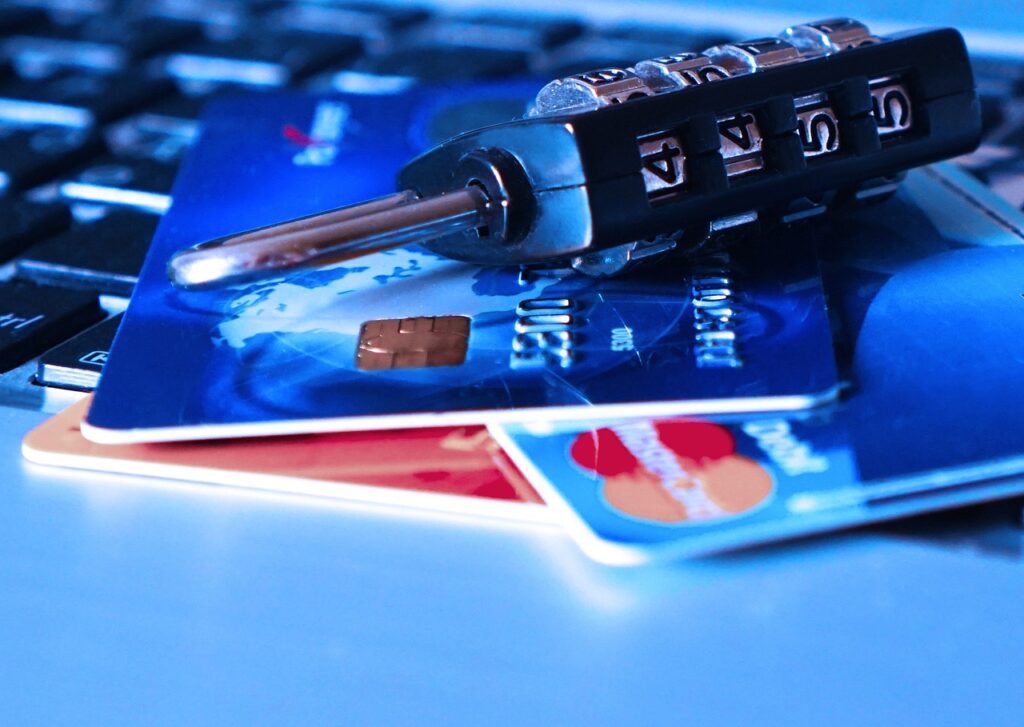

According to industry reports, identity theft affects millions of people worldwide, resulting in billions of dollars in financial losses each year. Data from 2024 suggests that identity theft is becoming increasingly sophisticated, with cybercriminals using advanced tactics to steal personal information. As a result, it is essential for individuals to take proactive steps to protect themselves from identity theft. Industry studies show that the majority of identity theft cases involve online activities, such as phishing, malware, and data breaches. Furthermore, research indicates that identity theft can have severe emotional and psychological consequences for victims. Therefore, it is crucial to understand the risks and take necessary precautions to prevent identity theft.
📝 In This Post
Defining Identity Theft
Identity theft refers to the unauthorized use of an individual’s personal information, such as their name, social security number, or credit card details, to commit fraud or other crimes. This can include opening new credit accounts, applying for loans, or making purchases online. Identity theft can be categorized into different types, including financial identity theft, medical identity theft, and social identity theft. According to a report by the Identity Theft Resource Center, the most common type of identity theft is financial identity theft, which involves the unauthorized use of an individual’s financial information to commit fraud.
The following table compares the different types of identity theft:
| Type of Identity Theft | Description | Examples |
|---|---|---|
| Financial Identity Theft | Unauthorized use of an individual’s financial information to commit fraud. | Opening new credit accounts, applying for loans, making purchases online. |
| Medical Identity Theft | Unauthorized use of an individual’s medical information to commit fraud. | Obtaining medical treatment, filing false insurance claims, purchasing prescription medication. |
| Social Identity Theft | Unauthorized use of an individual’s social media or online profiles to commit fraud. | Creating fake social media profiles, sending phishing emails, spreading malware. |
| Tax Identity Theft | Unauthorized use of an individual’s tax information to commit fraud. | Filing false tax returns, claiming fraudulent refunds, obtaining employment using a stolen social security number. |
Industry studies show that identity theft can have severe consequences for individuals, including financial loss, damage to credit scores, and emotional distress. Therefore, it is essential to take proactive steps to protect oneself from identity theft.
Top Identity Theft Innovations to Know
Advanced Data Encryption
Advanced data encryption involves the use of sophisticated algorithms and techniques to protect personal information from unauthorized access. This can include the use of encryption software, secure online storage, and secure communication protocols. According to a report by the National Institute of Standards and Technology, advanced data encryption is an effective way to protect personal information from identity theft.
Advanced data encryption can be used to protect a wide range of personal information, including financial data, medical records, and social security numbers. By using advanced data encryption, individuals can reduce the risk of identity theft and protect their personal information from unauthorized access.
- Key Benefits:
- Protects personal information from unauthorized access
- Reduces the risk of identity theft
- Provides secure online storage and communication
Secure Online Transactions
Secure online transactions involve the use of secure protocols and techniques to protect personal information when making online purchases or conducting financial transactions. This can include the use of secure sockets layer (SSL) encryption, two-factor authentication, and secure payment gateways. According to a report by the Payment Card Industry Security Standards Council, secure online transactions are essential for protecting personal information from identity theft.
Secure online transactions can be used to protect a wide range of personal information, including credit card numbers, social security numbers, and financial data. By using secure online transactions, individuals can reduce the risk of identity theft and protect their personal information from unauthorized access.
- Key Benefits:
- Protects personal information from unauthorized access
- Reduces the risk of identity theft
- Provides secure online payment processing
Phishing Detection and Prevention
Phishing detection and prevention involve the use of advanced techniques and software to detect and prevent phishing attacks. This can include the use of anti-phishing software, phishing detection tools, and secure communication protocols. According to a report by the Anti-Phishing Working Group, phishing detection and prevention are essential for protecting personal information from identity theft.
Phishing detection and prevention can be used to protect a wide range of personal information, including financial data, social security numbers, and login credentials. By using phishing detection and prevention, individuals can reduce the risk of identity theft and protect their personal information from unauthorized access.
- Key Benefits:
- Detects and prevents phishing attacks
- Reduces the risk of identity theft
- Provides secure communication protocols
Identity Theft Insurance
Identity theft insurance involves the use of insurance policies to protect individuals from financial loss in the event of identity theft. This can include coverage for expenses related to identity theft, such as credit monitoring, credit repair, and legal fees. According to a report by the Insurance Information Institute, identity theft insurance is an effective way to protect individuals from financial loss due to identity theft.
Identity theft insurance can be used to protect a wide range of personal information, including financial data, social security numbers, and credit reports. By using identity theft insurance, individuals can reduce the risk of financial loss due to identity theft and protect their personal information from unauthorized access.
- Key Benefits:
- Provides coverage for expenses related to identity theft
- Reduces the risk of financial loss due to identity theft
- Offers credit monitoring and credit repair services
Biometric Authentication
Biometric authentication involves the use of biometric data, such as fingerprints or facial recognition, to verify an individual’s identity. This can include the use of biometric authentication software, biometric sensors, and secure communication protocols. According to a report by the National Institute of Standards and Technology, biometric authentication is an effective way to protect personal information from identity theft.
Biometric authentication can be used to protect a wide range of personal information, including financial data, social security numbers, and login credentials. By using biometric authentication, individuals can reduce the risk of identity theft and protect their personal information from unauthorized access.
- Key Benefits:
- Provides secure authentication and verification
- Reduces the risk of identity theft
- Offers convenient and easy-to-use authentication methods
Why People Are Paying Attention
✔ Increased Risk of Identity Theft
The risk of identity theft is increasing due to the growing use of online services and the sophistication of cybercriminals. According to a report by the Identity Theft Resource Center, the number of identity theft cases has increased significantly in recent years. As a result, individuals are becoming more aware of the risks of identity theft and are taking proactive steps to protect themselves.
✔ Financial Consequences
Identity theft can have severe financial consequences, including financial loss, damage to credit scores, and legal fees. According to a report by the Federal Trade Commission, the average cost of identity theft is over $1,000 per incident. As a result, individuals are becoming more aware of the financial risks of identity theft and are taking proactive steps to protect themselves.
✔ Emotional Distress
Identity theft can also have severe emotional consequences, including stress, anxiety, and feelings of vulnerability. According to a report by the National Institute of Justice, identity theft can have a significant impact on an individual’s mental health and well-being. As a result, individuals are becoming more aware of the emotional risks of identity theft and are taking proactive steps to protect themselves.
✔ Advanced Security Measures
Advanced security measures, such as biometric authentication and secure online transactions, are becoming more widely available and are being used to protect personal information from identity theft. According to a report by the National Institute of Standards and Technology, advanced security measures are an effective way to protect personal information from identity theft.
✔ Increased Awareness
There is increasing awareness about the risks of identity theft and the importance of protecting personal information. According to a report by the Identity Theft Resource Center, the majority of individuals are now aware of the risks of identity theft and are taking proactive steps to protect themselves.
✔ Regulatory Requirements
Regulatory requirements, such as the General Data Protection Regulation (GDPR) and the California Consumer Privacy Act (CCPA), are becoming more stringent and are requiring organizations to protect personal information from identity theft. According to a report by the International Association of Privacy Professionals, regulatory requirements are driving the adoption of advanced security measures to protect personal information from identity theft.
What Researchers Are Working On
- Predictive Analytics for Identity Theft Detection
- Artificial Intelligence for Identity Theft Prevention
- Blockchain Technology for Secure Identity Verification
- Quantum Computing for Advanced Identity Theft Protection
- Internet of Things (IoT) Security for Identity Theft Prevention
Researchers are working on developing predictive analytics models to detect and prevent identity theft. This can include the use of machine learning algorithms and data analytics to identify patterns and anomalies in personal information.
The goal of predictive analytics for identity theft detection is to identify potential identity theft risks before they occur and to provide individuals with proactive steps to protect themselves.
Researchers are working on developing artificial intelligence (AI) systems to prevent identity theft. This can include the use of AI-powered chatbots, AI-powered authentication systems, and AI-powered security protocols.
The goal of AI for identity theft prevention is to provide individuals with advanced security measures to protect their personal information from identity theft.
Researchers are working on developing blockchain technology for secure identity verification. This can include the use of blockchain-based identity verification systems, blockchain-based authentication protocols, and blockchain-based security measures.
The goal of blockchain technology for secure identity verification is to provide individuals with secure and decentralized identity verification systems to protect their personal information from identity theft.
Researchers are working on developing quantum computing systems to provide advanced identity theft protection. This can include the use of quantum computing-powered encryption systems, quantum computing-powered authentication systems, and quantum computing-powered security protocols.
The goal of quantum computing for advanced identity theft protection is to provide individuals with advanced security measures to protect their personal information from identity theft.
Researchers are working on developing IoT security systems to prevent identity theft. This can include the use of IoT-powered security protocols, IoT-powered authentication systems, and IoT-powered encryption systems.
The goal of IoT security for identity theft prevention is to provide individuals with advanced security measures to protect their personal information from identity theft.
The following table compares the different types of identity theft protection technologies:
| Technology | Description | Benefits |
|---|---|---|
| Predictive Analytics | Uses machine learning algorithms and data analytics to detect and prevent identity theft. | Provides proactive steps to protect individuals from identity theft, reduces the risk of financial loss. |
| Artificial Intelligence | Uses AI-powered systems to prevent identity theft, including AI-powered chatbots and AI-powered authentication systems. | Provides advanced security measures to protect individuals from identity theft, reduces the risk of financial loss. |
| Blockchain Technology | Uses blockchain-based systems to provide secure identity verification and authentication. | Provides secure and decentralized identity verification systems, reduces the risk of identity theft. |
| Quantum Computing | Uses quantum computing-powered systems to provide advanced identity theft protection, including quantum computing-powered encryption systems. | Provides advanced security measures to protect individuals from identity theft, reduces the risk of financial loss. |
Final Thoughts
Identity theft is a significant concern for individuals and organizations, with severe financial and emotional consequences. Advanced strategies, such as predictive analytics, artificial intelligence, and blockchain technology, can help protect individuals from identity theft. By understanding the risks of identity theft and taking proactive steps to protect themselves, individuals can reduce the risk of financial loss and emotional distress. The use of advanced security measures, such as biometric authentication and secure online transactions, can also help protect personal information from identity theft.
Industry studies show that the use of advanced security measures can significantly reduce the risk of identity theft. Furthermore, regulatory requirements are driving the adoption of advanced security measures to protect personal information from identity theft.
To wrap up, advanced strategies and technologies are essential for protecting individuals from identity theft. By understanding the risks of identity theft and taking proactive steps to protect themselves, individuals can reduce the risk of financial loss and emotional distress.