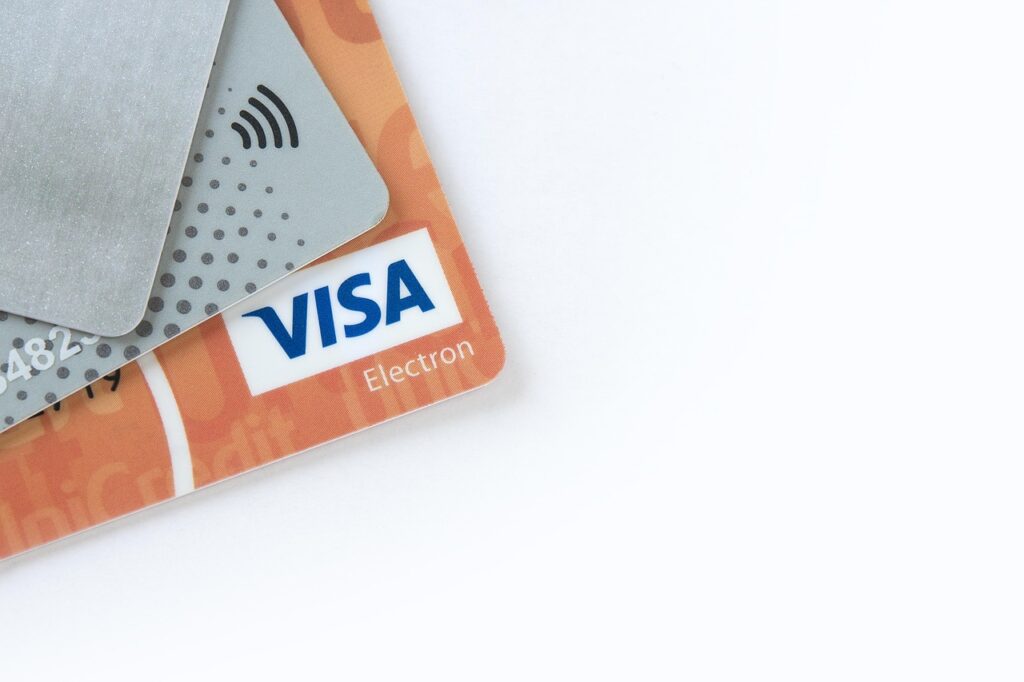

There’s a common assumption that contactless payments are universally straightforward and efficient, but in reality, many users face frustrating issues, from declined transactions to confusion over payment limits. This dissatisfaction stems from a lack of understanding about how contactless payments work and the various factors that influence their success. Despite the growing prevalence of contactless technology, the absence of clear guidelines and inconsistent implementation across different payment systems exacerbate the problem. Users often find themselves bewildered by the myriad of options and rules surrounding contactless transactions. The result is a significant gap between the potential of contactless payments and the actual user experience.
📝 Article Overview
Common Challenges With A Closer Look at Contactless Payments (Step by Step)
1. Transaction Declines
One of the most infuriating experiences for users of contactless payments is having their transactions declined. This issue arises when the payment terminal fails to read the payment card or device correctly, or when there are insufficient funds in the account. Transaction declines occur due to a combination of factors, including poor network connectivity, outdated payment terminals, or issues with the payment card itself, such as an expired card or one that has been reported lost or stolen. Furthermore, the use of older card technologies that are not fully compatible with modern contactless payment systems can also lead to transaction declines.
2. Payment Limitations
Contactless payment systems often come with transaction limits that can vary significantly between countries and even between different banks within the same country. These limits are in place to mitigate the risks associated with fraud, but they can be a source of frustration for users who need to make larger transactions. The limits are usually set by the financial institutions and are based on the type of account, the user’s history of transactions, and the perceived risk of fraud. However, the lack of standardization and clear communication about these limits can lead to confusion among users.
3. Security Concerns
Security is a paramount concern for users of contactless payments, with many worrying about the potential for fraud and unauthorized transactions. These concerns are not entirely unfounded, as contactless payments, like any other payment method, are not completely immune to risks. However, most modern contactless payment systems incorporate robust security measures, including tokenization, where the actual card number is replaced with a unique token, and biometric authentication, such as fingerprint or facial recognition, to verify the identity of the user. Despite these protections, misconceptions and a lack of understanding about how these security measures work can exacerbate fears and hinder the adoption of contactless payments.
4. Compatibility Issues
Compatibility issues between different payment systems, devices, and cards can also hinder the smooth use of contactless payments. Not all payment terminals are equipped to handle contactless transactions, and some older devices may not support the necessary technology. Moreover, the variety of contactless payment methods, including cards, smartphones, smartwatches, and other wearable devices, can create confusion among merchants and consumers alike, as to what methods are supported and how they should be used.
5. User Education
Lastly, a significant challenge facing the widespread adoption of contactless payments is the need for better user education. Many users are unaware of how to properly use contactless payment methods, including how to set up their devices, how to initiate a transaction, and how to troubleshoot common issues. This lack of knowledge can lead to frustration and a reluctance to use contactless payments, even among those who have the capability to do so. Education on the benefits, proper use, and security of contactless payments is essential to overcoming this barrier.
Top Contactless Payment Innovations to Know
1. Mobile Wallets
Mobile wallets, such as Apple Pay, Google Pay, and Samsung Pay, are revolutionizing the way people make transactions. To implement mobile wallets, users first need to download the relevant app, then add their credit or debit card information to the wallet. After setup, making a payment is as simple as unlocking the device and holding it near the payment terminal. The transaction is secured through tokenization and biometric authentication, providing an additional layer of security.
- Why It Works: Convenience, as users do not need to carry a physical wallet; Enhanced security through tokenization and biometric authentication; Wide acceptance at contactless payment terminals.
- Easy to set up and use, with intuitive interfaces on most devices.
- Reduces the need to carry multiple cards, making it a space-saving solution.
2. Contactless Debit and Credit Cards
Contactless debit and credit cards offer a simple and efficient way to make payments. Implementing these cards involves nothing more than receiving the card from the bank and using it at any contactless payment terminal. The process is akin to using a traditional card but eliminates the need to insert the card or enter a PIN for small transactions.
- Why It Works: Fast transaction times, improving the checkout experience; No need to handle cash, reducing the risk of germ transmission; Easy to use, with clear instructions provided by the bank.
- Widely accepted, with most merchants equipped to handle contactless transactions.
- Offers the same protection as traditional card transactions, with zero liability for unauthorized purchases.
3. Wearable Payment Devices
Wearable payment devices, such as smartwatches and fitness trackers with payment capabilities, are becoming increasingly popular. To use these devices, users must first set them up through a companion app, linking their payment card to the device. Then, with a simple gesture, such as a double tap, users can make payments at contactless terminals.
- Why It Works: Provides an additional form of payment convenience, especially during activities where carrying a wallet or phone is impractical; Offers a fashionable way to make payments, with various styles available; Enhances security, as the device must be in close proximity to the user to make a transaction.
- Allows for hands-free payments, perfect for runners, cyclists, or anyone engaged in activities where hands are occupied.
- Can be used in conjunction with other payment methods, offering flexibility.
4. Biometric Authentication
Biometric authentication, using fingerprints, facial recognition, or voice commands, adds an extra layer of security to contactless payments. Implementing biometric authentication involves setting up the feature on the device or card, which typically requires registering a biometric signature. Once set up, transactions are secured with the additional step of biometric verification, making it much harder for unauthorized individuals to make payments.
- Why It Works: Offers enhanced security, reducing the risk of fraud; Convenient, as it eliminates the need to remember PINs or passwords; Fast, as biometric authentication processes are typically quick.
- Provides peace of mind, knowing that transactions are protected by advanced security measures.
- Can be used across various devices and platforms, offering a consistent security experience.
5. Open Banking Solutions
Open banking solutions allow for the secure sharing of financial information between banks and third-party providers, enabling a wider range of contactless payment options. Implementing open banking solutions involves agreeing to share data with specified providers, which can then offer personalized financial services, including payment initiation and account information services.
- Why It Works: Enhances innovation in the financial sector, leading to more tailored services; Increases competition, which can lead to better services and lower fees; Provides users with more control over their financial data and how it is used.
- Offers a more integrated financial experience, with various services accessible through a single platform.
- Security is maintained through strict data protection regulations and secure communication protocols.
6. QR Code Payments
QR code payments involve scanning a QR code displayed by the merchant to initiate a payment. To use QR code payments, users typically need to have a specific app that supports this feature, where they link their payment method. Then, at the point of purchase, the user scans the QR code, confirms the transaction amount, and the payment is processed.
- Why It Works: Easy to implement, with no need for special hardware beyond a smartphone; Low cost, as it eliminates the need for payment terminals; Secure, as transactions are typically protected by encryption and authentication processes.
- Offers a contactless way to pay, reducing the risk of germ transmission and increasing hygiene.
- Can be used for a wide range of transactions, from retail purchases to person-to-person payments.
| Approach | Old Way | Better Way | Result |
|---|---|---|---|
| Payment Method | Cash and Traditional Cards | Contactless Payments | Faster Transactions, Increased Convenience |
| Security | Physical Card Security, PINs | Tokenization, Biometric Authentication | Enhanced Protection Against Fraud |
| Transaction Limits | Varied and Often Low | Higher and More Standardized | Greater Flexibility for Consumers |
| Compatibility | Limited to Specific Terminals and Cards | Wide Acceptance Across Various Devices and Terminals | Increased User Adoption and Satisfaction |
| Education and Support | Minimal, Leading to Confusion | Comprehensive Guides and Customer Support | Improved User Experience and Reduced Frustration |
Why This Matters to You
For consumers, the ability to use contactless payments seamlessly can significantly enhance their daily shopping experience, making transactions faster, more convenient, and secure. A user in a hurry can quickly pay for groceries without having to dig for cash or wait for the card machine to process, saving time and reducing stress. Furthermore, the security features of contactless payments, such as tokenization and biometric authentication, provide an additional layer of protection against fraud, giving users peace of mind with each transaction.
In the retail sector, adopting contactless payment solutions can lead to increased customer satisfaction, as transactions are processed more efficiently, reducing wait times and enhancing the overall shopping experience. This can lead to increased customer loyalty and potentially higher sales volumes, as customers are more likely to return to stores that offer convenient and secure payment options. Additionally, the data collected from contactless transactions can provide valuable insights into consumer behavior, helping retailers to tailor their services and offerings more effectively.
For businesses, especially small and medium-sized enterprises, integrating contactless payments can be a cost-effective way to modernize their payment systems, reducing the need for cash handling and minimizing the risks associated with it, such as theft and counterfeiting. It also opens up new avenues for customer engagement, through loyalty programs and personalized offers, which can be delivered directly to the customer’s device, enhancing the customer experience and fostering loyalty.
The environmental impact of reducing cash and card transactions should also be considered, as it leads to less waste from paper and plastic, contributing to a more sustainable future. As more transactions become digital, the demand for physical currency and the materials used in its production decreases, which can have a positive effect on the environment over time.
Lastly, the impact of contactless payments on financial inclusion cannot be overlooked. By providing access to payment systems that do not require traditional banking infrastructure, contactless payments can reach underserved populations, offering them a secure and convenient way to make transactions. This can be particularly beneficial in developing economies, where access to banking services may be limited, but mobile penetration is high, enabling the use of mobile wallets and other contactless payment methods.
Step-by-Step Action Plan
- Research available contactless payment options, including mobile wallets, contactless debit and credit cards, and wearable devices, to understand which best suits your needs. This step is crucial in making an informed decision that aligns with your lifestyle and preferences, ensuring a smooth transition to contactless payments.
- Set up your chosen contactless payment method by following the provider’s instructions, which usually involves downloading an app, linking a payment card, and setting up biometric authentication for enhanced security. Taking the time to properly set up your contactless payment method is essential for secure and convenient transactions.
- Explore merchants that accept contactless payments in your area to understand where you can use this payment method, helping you to plan your transactions more effectively. Knowing which stores and services support contactless payments can make a significant difference in your daily shopping experience.
- Practice making contactless payments to become comfortable with the process and to troubleshoot any issues that may arise, ensuring that you can confidently use this payment method in various situations. Familiarity with the transaction process will reduce anxiety and increase the overall satisfaction with contactless payments.
- Stay informed about updates and enhancements to contactless payment systems, including new security features and expanded acceptance, to continuously improve your payment experience. Being aware of the latest developments in contactless payments will allow you to take full advantage of the benefits they offer.
- Consider the environmental and social impacts of your payment choices, opting for methods that support sustainability and financial inclusion, contributing to a more equitable and environmentally conscious community. By choosing contactless payments, you are not only enhancing your personal convenience but also supporting broader societal benefits.
- Provide feedback to merchants and payment providers on your experience with contactless payments, helping to identify areas for improvement and contributing to the development of more user-friendly and secure payment systems. Your input can play a vital role in shaping the future of contactless payments, making them more accessible and efficient for everyone.
What It All Means
The world of contactless payments is rapidly evolving, with innovations and advancements aimed at making transactions faster, more secure, and convenient. As consumers, businesses, and societies embrace these changes, the potential for a cashless future becomes more tangible, promising a more efficient, secure, and sustainable way to make payments. Here’s the key thing to understand: the future of payments is not just about the technology itself but about how it can be harnessed to improve lives and contribute to a better world. Most people miss the broader implications of contactless payments, focusing solely on the convenience aspect, but the real impact extends far beyond personal convenience, influencing economies, environments, and social structures. As we look to the future, one thing is clear: contactless payments are just the beginning of a financial revolution that will continue to reshape how we live, work, and interact with one another.