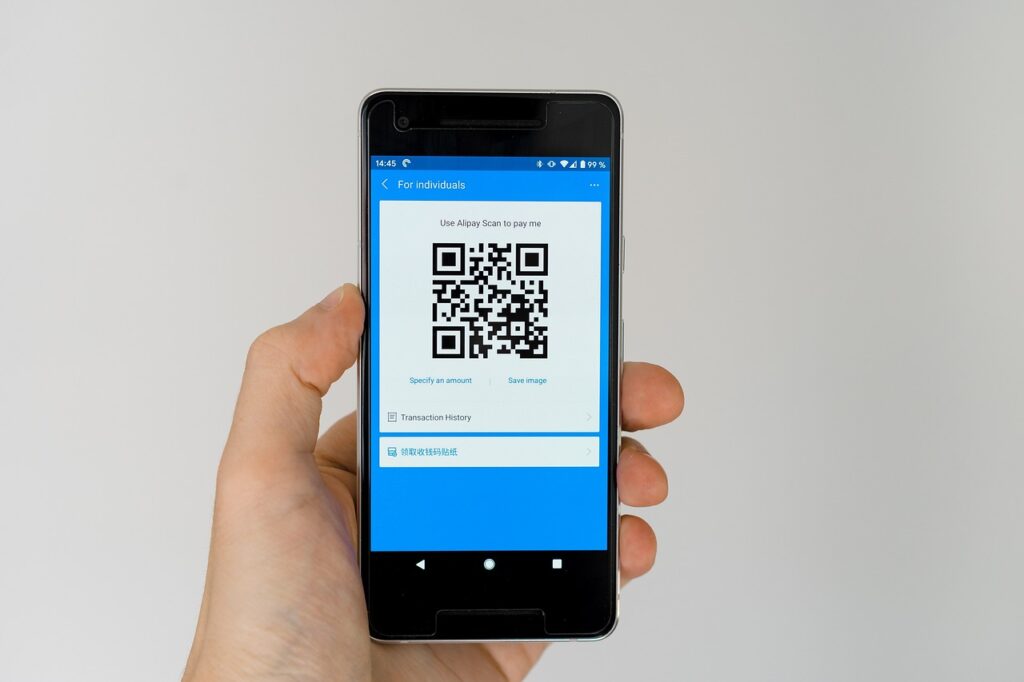

The rise in digital payments has been exponential over the past decade, with data from 2024 suggesting that over 70% of all transactions are now made online. This shift has not only changed the way businesses operate but has also opened up new avenues for fraud and cybercrime. Industry reports indicate that in 2023 alone, online fraud resulted in losses of over $200 billion worldwide. Secure payment systems have thus become a priority for both businesses and individuals to protect their financial information and prevent significant financial losses. The importance of secure payments cannot be overstated, as they form the backbone of trust in digital commerce. With the average cost of a data breach exceeding $3.9 million, according to recent cybersecurity studies, the need for secure payment processing is more pressing than ever.
Furthermore, the impact of insecure payments extends beyond financial loss to include damage to reputation and customer trust. A single instance of payment fraud can lead to long-term repercussions for a business, affecting its ability to attract and retain customers. Given these stakes, understanding and implementing secure payment systems is not just a best practice but a necessity in today’s digital economy. As technology evolves, so do the methods and tools available to both fraudsters and security experts, making the field of secure payments highly dynamic and challenging.
Given the complexity and the critical nature of this issue, it’s essential to look at the specifics of what constitutes secure payment systems, the methods used to achieve security, the benefits they provide, and the trends shaping the future of secure payments. By examining a case study and analyzing data from the field, we can gain a deeper understanding of how secure payment systems work and why they are indispensable in modern commerce.
The financial sector has witnessed significant advancements in security technology, from encryption methods to advanced fraud detection algorithms, all aimed at protecting transactions and maintaining the integrity of financial systems. However, the adaptability of cybercriminals means that security measures must continually evolve to stay ahead of emerging threats. Data from 2024 suggests that investments in cybersecurity are expected to reach new highs as businesses and governments recognize the importance of safeguarding digital transactions.
With the ever-increasing volume of digital payments and the sophistication of fraud attempts, the development and implementation of secure payment systems have become a central focus for financial institutions, e-commerce platforms, and regulatory bodies. The challenge lies in balancing security with convenience and speed, as overly complex security measures can deter users, while insufficient security can leave them vulnerable. Finding this balance is key to the successful implementation of secure payment systems.
📝 Contents
Defining Secure Payments
Secure payments refer to the processes and systems designed to protect financial transactions from unauthorized access, use, or theft. This encompasses a broad range of technologies and practices, including encryption, tokenization, secure sockets layer (SSL) certificates, and compliance with industry standards such as the Payment Card Industry Data Security Standard (PCI DSS). The goal of secure payments is to ensure that financial information, such as credit card numbers and personal identification numbers (PINs), remains confidential and is not accessible to fraudsters.
Industry studies show that the most effective secure payment systems are those that combine multiple layers of protection. For instance, using both encryption and tokenization can significantly reduce the risk of data breaches. Encryption scrambles data, making it unreadable to unauthorized parties, while tokenization replaces sensitive information with unique tokens, which can be used for transactions without exposing the actual financial data.
The context in which secure payments operate is rapidly evolving, with new technologies and standards emerging regularly. For example, the adoption of blockchain technology and the development of cryptocurrencies have introduced new dimensions to secure payments, offering decentralized and potentially more secure methods of transaction. However, these innovations also bring their own set of challenges and regulatory considerations.
| Payment Security Method | Description | Effectiveness |
|---|---|---|
| Encryption | Scrambles data to prevent unauthorized access | High |
| Tokenization | Replaces sensitive data with tokens | High |
| SSL Certificates | Encrypts data between website and user | Medium to High |
| PCI DSS Compliance | Ensures adherence to industry security standards | High |
Secure Payments Methods Worth Knowing
1. Tokenization
Tokenization is a method of secure payment that involves replacing sensitive financial information with unique tokens. These tokens can then be used for transactions without exposing the actual financial data. Industry reports suggest that tokenization can reduce the risk of data breaches by up to 90%. It is particularly effective for recurring payments, where the same financial information is used repeatedly.
The process of tokenization involves generating a unique token for each piece of sensitive information. This token is then stored in a secure environment, such as a vault, and can be retrieved as needed for transactions. Tokenization is versatile and can be applied to various types of sensitive data, including credit card numbers, bank account details, and personal identification information.
Data from 2024 indicates that the adoption of tokenization is on the rise, with over 50% of e-commerce platforms now using some form of tokenization for secure payments. The benefits of tokenization include enhanced security, reduced risk of data breaches, and compliance with industry standards such as PCI DSS.
Plus Points:
- Enhanced Security: Tokenization significantly reduces the risk of data breaches by not storing actual financial information.
- Compliance: Tokenization helps in achieving compliance with industry standards such as PCI DSS, reducing the burden on businesses.
- Flexibility: Tokens can be used for various types of transactions, including one-time payments and recurring subscriptions.
2. Encryption
Encryption is a fundamental method of secure payment that involves scrambling data to make it unreadable to unauthorized parties. It is widely used to protect financial information during transactions, both online and offline. According to recent studies, encryption can reduce the risk of financial data theft by up to 95%.
The encryption process involves converting plaintext data into ciphertext, which can only be deciphered with the correct decryption key. This method is highly effective for protecting data in transit, such as when a user submits financial information on a website or through a mobile app. Encryption algorithms are constantly evolving to stay ahead of potential threats, with newer methods offering higher levels of security and efficiency.
Industry experts emphasize the importance of using robust encryption protocols, such as TLS (Transport Layer Security), to ensure the confidentiality and integrity of financial data. The use of encryption is mandated by many industry standards, including PCI DSS, underscoring its critical role in secure payments.
Plus Points:
- High Security: Encryption provides a high level of protection against data theft and tampering.
- Wide Applicability: Encryption can be used to secure various types of data, including financial information, personal data, and communications.
- Compliance: Using encryption helps businesses comply with regulatory requirements and industry standards for data protection.
3. Secure Sockets Layer (SSL) Certificates
SSL certificates are a type of secure payment method that involves encrypting data between a website and its users. An SSL certificate is issued by a trusted certificate authority and verifies the identity of a website, ensuring that users are interacting with the intended site and not an imposter.
The use of SSL certificates is indicated by the HTTPS protocol in a website’s URL and a padlock icon in the browser’s address bar. This visual cue helps build trust with users, signaling that the site is secure. SSL certificates are particularly important for e-commerce sites, as they protect financial information submitted during transactions.
Recent data shows that over 80% of websites now use HTTPS, reflecting a significant increase in the adoption of SSL certificates for secure payments. The benefits include enhanced trust, improved search engine rankings, and protection against phishing attacks.
Plus Points:
- Trust Indicator: SSL certificates provide a visible indication of a website’s security, enhancing user trust.
- SEO Benefits: Google favors HTTPS sites in search results, potentially improving a website’s visibility.
- Protection Against Phishing: SSL certificates help prevent phishing attacks by verifying a website’s identity.
4. Blockchain Technology
Blockchain technology offers a decentralized approach to secure payments, using a distributed ledger to record transactions across a network of computers. This method is highly secure due to its decentralized nature, making it resistant to single-point failures and cyberattacks.
The use of blockchain for secure payments is still in its early stages, with potential applications in cryptocurrencies, smart contracts, and cross-border payments. Blockchain technology promises to enhance the security, transparency, and efficiency of financial transactions, though it also presents regulatory and scalability challenges.
Industry analyses suggest that blockchain could revolutionize the way secure payments are processed, offering real-time settlements and reduced transaction fees. However, the adoption of blockchain technology for mainstream secure payments will depend on overcoming current limitations, such as scalability and interoperability issues.
Plus Points:
- Decentralized Security: Blockchain’s decentralized nature enhances security by eliminating single points of failure.
- Transparency: All transactions are recorded on a public ledger, ensuring transparency and traceability.
- Efficiency: Blockchain can facilitate real-time settlements and reduce transaction costs.
5. Biometric Authentication
Biometric authentication involves using unique physical or behavioral characteristics, such as fingerprints, facial recognition, or voice recognition, to verify the identity of users. This method of secure payment is highly resistant to fraud, as biometric data is difficult to replicate or steal.
The adoption of biometric authentication for secure payments is on the rise, with many financial institutions and e-commerce platforms incorporating biometric verification into their security protocols. Biometric authentication enhances the security of transactions, reduces the risk of identity theft, and provides a seamless user experience.
Data from recent studies indicates that biometric authentication can reduce the risk of financial fraud by up to 80%, making it an attractive solution for secure payments. However, the implementation of biometric authentication also raises concerns about privacy and the potential for biometric data breaches.
Plus Points:
- High Security: Biometric authentication offers a high level of security against identity theft and fraud.
- Convenience: Biometric methods are often more convenient than traditional password-based systems.
- Unique Identification: Biometric data is unique to each individual, providing a reliable means of verification.
Real-World Benefits
✔ Enhanced Security
Secure payment systems provide a high level of protection against financial fraud and data breaches, safeguarding both businesses and individuals from significant financial losses. The use of encryption, tokenization, and other security measures ensures that financial information remains confidential and secure.
✔ Compliance with Industry Standards
Implementing secure payment systems helps businesses comply with industry standards and regulatory requirements, such as PCI DSS, reducing the risk of non-compliance and associated penalties. Compliance is crucial for maintaining trust and avoiding reputational damage.
✔ Increased Customer Trust
Secure payment systems enhance customer trust by providing a safe and reliable environment for transactions. When customers feel secure, they are more likely to engage in online transactions, leading to increased sales and customer loyalty for businesses.
✔ Reduced Risk of Data Breaches
By protecting financial information through encryption, tokenization, and other methods, secure payment systems significantly reduce the risk of data breaches. This not only saves businesses from potential financial losses but also protects them from the reputational damage associated with data breaches.
✔ Improved Operational Efficiency
Secure payment systems can streamline transaction processes, reduce the need for manual intervention, and automate security protocols, leading to improved operational efficiency. This efficiency can result in cost savings and enhanced customer experience.
✔ Support for Recurring Payments
Secure payment systems, particularly those using tokenization, facilitate recurring payments by securely storing payment information for future transactions. This feature is essential for subscription-based services and recurring billing models, enhancing convenience for both businesses and their customers.
Upcoming Trends
- Increased Adoption of Blockchain Technology
- Advancements in Biometric Authentication
- Growing Importance of Artificial Intelligence (AI) in Fraud Detection
- Enhanced Focus on Mobile Security
- Regulatory Evolution to Address Emerging Technologies
The use of blockchain technology for secure payments is expected to grow, offering decentralized, secure, and efficient transaction processing. As the technology matures, it is likely to play a more significant role in the financial sector.
Industry experts predict that blockchain will not only enhance the security of transactions but also reduce costs and increase the speed of settlements. However, regulatory frameworks will need to adapt to accommodate the unique characteristics of blockchain technology.
Biometric authentication is expected to become more prevalent in secure payments, with advancements in technologies such as facial recognition, voice recognition, and behavioral biometrics. These methods will provide higher levels of security and convenience for users.
The integration of biometric authentication into various devices and platforms will continue, making secure payments more accessible and user-friendly. However, concerns about privacy and data protection will need to be addressed through robust regulatory measures.
AI and machine learning will play a critical role in detecting and preventing fraud in secure payments. These technologies can analyze vast amounts of data in real-time, identifying patterns and anomalies that may indicate fraudulent activity.
The use of AI in fraud detection will enhance the security of transactions, reduce false positives, and improve the overall efficiency of fraud prevention systems. As AI technologies evolve, they will become indispensable in the fight against financial fraud.
With the rise in mobile payments, there will be an increased focus on securing mobile transactions. This includes the development of more secure mobile apps, enhanced biometric authentication on mobile devices, and better protection against mobile-specific threats such as malware and phishing attacks.
Industry studies suggest that mobile security will become a priority, with businesses investing more in securing their mobile payment platforms to protect users and maintain trust in mobile commerce.
Regulatory bodies will need to evolve to address the challenges and opportunities presented by emerging technologies such as blockchain, AI, and biometrics in secure payments. New regulations and standards will be developed to ensure that these technologies are used securely and responsibly.
This regulatory evolution will be crucial in maintaining trust in the financial system, protecting consumers, and fostering innovation in secure payments. It will require a collaborative effort between regulators, industry players, and technology providers to create frameworks that support the secure and efficient use of emerging technologies.
| Emerging Technology | Description | Potential Impact on Secure Payments |
|---|---|---|
| Blockchain | Decentralized, distributed ledger technology | Enhanced security, transparency, and efficiency in transactions |
| Biometric Authentication | Verification using unique physical or behavioral characteristics | Highly secure and convenient method of user verification |
| Artificial Intelligence (AI) | Machine learning and AI for fraud detection and prevention | Improved accuracy and efficiency in fraud detection, reducing false positives |
| Quantum Computing | Advanced computing capability with potential to break current encryption methods | Potential to compromise current encryption standards, necessitating new security protocols |
Final Thoughts
The landscape of secure payments is continuously evolving, driven by technological advancements, changing user behaviors, and the adaptability of fraudsters. As the financial sector moves towards more digital and decentralized models, the importance of secure payment systems will only continue to grow. Industry studies show that investments in secure payments will yield long-term benefits, including enhanced customer trust, reduced risk of fraud, and compliance with evolving regulatory standards.
Secure payment systems are not just a necessity for protecting financial information but also a foundation for building trust in digital commerce. As new technologies and trends emerge, it will be crucial for businesses and individuals to stay informed and adapt to these changes, ensuring that they remain protected and competitive in the evolving landscape of secure payments. By prioritizing security, convenience, and compliance, secure payment systems can facilitate safe, efficient, and reliable transactions, supporting the growth of digital commerce and the global economy.
The future of secure payments will be shaped by innovations in technology, regulatory frameworks, and user preferences. As the world becomes increasingly digital, the importance of secure, reliable, and efficient payment systems cannot be overstated. By embracing secure payment technologies and practices, we can ensure a safer, more trustworthy, and more prosperous digital economy for all.