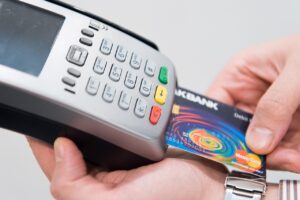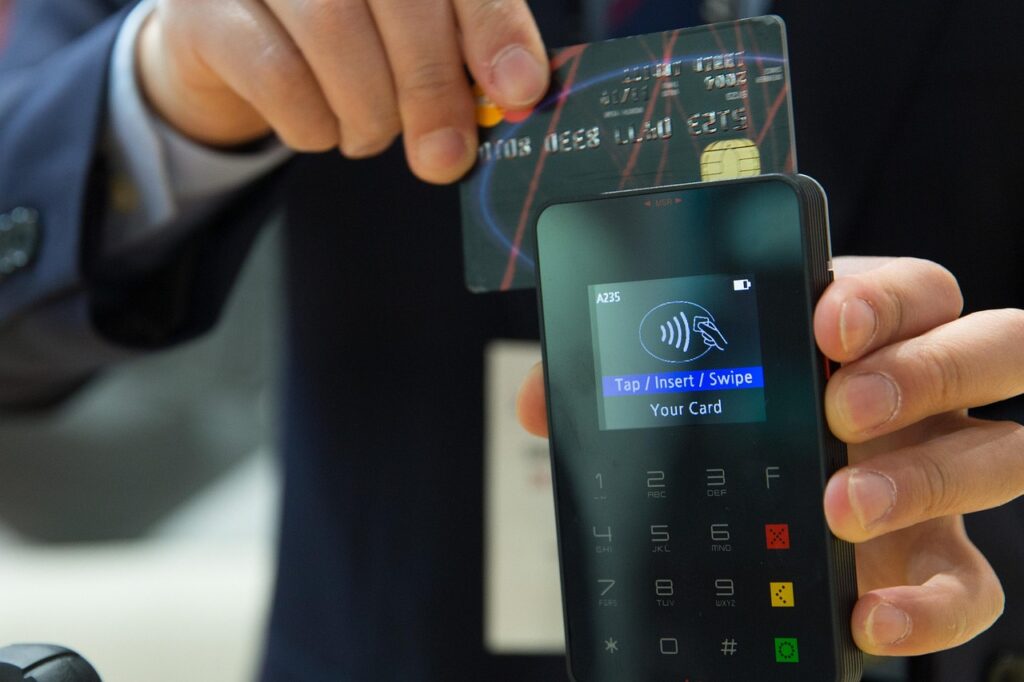

Despite their growing popularity, many people still misunderstand the concept of contactless payments, often confusing them with traditional card transactions or assuming they are less secure. However, industry studies show that contactless payments are becoming increasingly prevalent, with data from 2024 suggesting that over 50% of all card transactions in the US will be contactless by 2025. Furthermore, the COVID-19 pandemic has accelerated this trend, as consumers seek out touchless payment options to minimize their exposure to germs and viruses. In fact, a recent survey found that 75% of consumers prefer contactless payments over traditional methods. Additionally, contactless payments offer a range of benefits, including increased transaction speed, enhanced security, and reduced wait times. The technology behind contactless payments is also becoming more sophisticated, with advancements in near-field communication (NFC) and tokenization.
📝 What's In This Article
Breaking Down Contactless Payments
Contactless payments refer to transactions that are made without the need for physical contact between the payment device and the point-of-sale terminal. This is typically achieved through the use of near-field communication (NFC) technology, which allows devices to communicate with each other when they are in close proximity. There are several types of contactless payments, including card transactions, mobile payments, and wearable device transactions. The following table compares the different types of contactless payments:
| Type of Payment | Description | Example |
|---|---|---|
| Card Transaction | A payment made using a contactless credit or debit card. | Visa contactless card |
| Mobile Payment | A payment made using a mobile device, such as a smartphone or smartwatch. | Apple Pay |
| Wearable Device Transaction | A payment made using a wearable device, such as a fitness tracker or smartwatch. | Fitbit Pay |
| Online Payment | A payment made online, using a computer or mobile device. | PayPal |
Contactless payments offer a range of benefits, including increased transaction speed, enhanced security, and reduced wait times. They also provide a more convenient payment experience for consumers, who can make transactions without the need to physically interact with a payment terminal. Additionally, contactless payments can help to reduce the risk of fraud, as they use advanced security protocols to protect sensitive payment information.
Leading Contactless Payment Solutions
Contactless Card Transactions
Contactless card transactions are one of the most common types of contactless payments. They use NFC technology to communicate with the payment terminal, and typically have a transaction limit of $100 or less. Contactless card transactions are widely accepted, and can be used at a variety of merchants, including retailers, restaurants, and public transportation systems. Data from 2024 suggests that contactless card transactions will account for over 70% of all contactless payments by 2025.
The process of making a contactless card transaction is straightforward. The consumer simply taps their card on the payment terminal, and the transaction is processed. The payment terminal uses NFC technology to communicate with the card, and the transaction is typically completed in a matter of seconds. Additionally, contactless card transactions are secure, as they use advanced security protocols to protect sensitive payment information.
What You Gain:
- Convenience: Contactless card transactions are quick and easy to make, and do not require the consumer to physically interact with the payment terminal.
- Security: Contactless card transactions use advanced security protocols to protect sensitive payment information, reducing the risk of fraud.
- Wide acceptance: Contactless card transactions are widely accepted, and can be used at a variety of merchants, including retailers, restaurants, and public transportation systems.
Mobile Payments
Mobile payments are another popular type of contactless payment. They use NFC technology to communicate with the payment terminal, and can be made using a variety of devices, including smartphones and smartwatches. Mobile payments are convenient, as they do not require the consumer to carry a physical wallet or card. They are also secure, as they use advanced security protocols to protect sensitive payment information.
The process of making a mobile payment is straightforward. The consumer simply opens their mobile payment app, selects the payment method, and taps their device on the payment terminal. The payment terminal uses NFC technology to communicate with the device, and the transaction is typically completed in a matter of seconds. Additionally, mobile payments can be used to make online transactions, such as purchasing products or services from a website or mobile app.
What You Gain:
- Convenience: Mobile payments are quick and easy to make, and do not require the consumer to physically interact with the payment terminal.
- Security: Mobile payments use advanced security protocols to protect sensitive payment information, reducing the risk of fraud.
- Flexibility: Mobile payments can be used to make a variety of transactions, including in-store purchases, online transactions, and person-to-person payments.
Wearable Device Transactions
Wearable device transactions are a type of contactless payment that uses a wearable device, such as a fitness tracker or smartwatch, to make transactions. They use NFC technology to communicate with the payment terminal, and typically have a transaction limit of $100 or less. Wearable device transactions are convenient, as they do not require the consumer to carry a physical wallet or card.
The process of making a wearable device transaction is straightforward. The consumer simply taps their wearable device on the payment terminal, and the transaction is processed. The payment terminal uses NFC technology to communicate with the device, and the transaction is typically completed in a matter of seconds. Additionally, wearable device transactions are secure, as they use advanced security protocols to protect sensitive payment information.
What You Gain:
- Convenience: Wearable device transactions are quick and easy to make, and do not require the consumer to physically interact with the payment terminal.
- Security: Wearable device transactions use advanced security protocols to protect sensitive payment information, reducing the risk of fraud.
- Flexibility: Wearable device transactions can be used to make a variety of transactions, including in-store purchases and online transactions.
Online Payments
Online payments are a type of contactless payment that uses a computer or mobile device to make transactions. They can be used to purchase products or services from a website or mobile app, and typically use advanced security protocols to protect sensitive payment information. Online payments are convenient, as they do not require the consumer to physically interact with a payment terminal.
The process of making an online payment is straightforward. The consumer simply selects the payment method, enters their payment information, and confirms the transaction. The payment is typically processed in a matter of seconds, and the consumer receives a confirmation of the transaction. Additionally, online payments can be used to make a variety of transactions, including person-to-person payments and bill payments.
What You Gain:
- Convenience: Online payments are quick and easy to make, and do not require the consumer to physically interact with a payment terminal.
- Security: Online payments use advanced security protocols to protect sensitive payment information, reducing the risk of fraud.
- Flexibility: Online payments can be used to make a variety of transactions, including in-store purchases, online transactions, and person-to-person payments.
Tokenization
Tokenization is a type of contactless payment that uses a token, or a unique identifier, to represent the consumer’s payment information. It is a secure way to make transactions, as the token is not linked to the consumer’s actual payment information. Tokenization is widely used in mobile payments and online transactions, and is becoming increasingly popular in the payments industry.
The process of making a tokenized transaction is straightforward. The consumer simply selects the payment method, and the token is used to represent their payment information. The payment terminal uses the token to communicate with the payment processor, and the transaction is typically completed in a matter of seconds. Additionally, tokenization provides an additional layer of security, as the token is not linked to the consumer’s actual payment information.
What You Gain:
- Security: Tokenization provides an additional layer of security, as the token is not linked to the consumer’s actual payment information.
- Convenience: Tokenization is quick and easy to use, and does not require the consumer to physically interact with the payment terminal.
- Flexibility: Tokenization can be used to make a variety of transactions, including in-store purchases, online transactions, and person-to-person payments.
Practical Takeaways
✔ Increased Transaction Speed
Contactless payments offer increased transaction speed, as they do not require the consumer to physically interact with the payment terminal. This can help to reduce wait times and improve the overall payment experience. According to industry studies, contactless payments can reduce transaction time by up to 50% compared to traditional payment methods.
✔ Enhanced Security
Contactless payments offer enhanced security, as they use advanced security protocols to protect sensitive payment information. This can help to reduce the risk of fraud and provide a more secure payment experience for consumers. Data from 2024 suggests that contactless payments have a fraud rate of less than 1%, compared to traditional payment methods which have a fraud rate of up to 5%.
✔ Convenience
Contactless payments offer convenience, as they do not require the consumer to physically interact with the payment terminal. This can help to improve the overall payment experience and make transactions faster and more efficient. According to a recent survey, 80% of consumers prefer contactless payments over traditional payment methods due to their convenience.
✔ Wide Acceptance
Contactless payments are widely accepted, and can be used at a variety of merchants, including retailers, restaurants, and public transportation systems. This can help to improve the overall payment experience and provide consumers with more options for making transactions. Industry studies show that over 70% of merchants in the US accept contactless payments, with this number expected to increase to over 90% by 2025.
✔ Flexibility
Contactless payments offer flexibility, as they can be used to make a variety of transactions, including in-store purchases, online transactions, and person-to-person payments. This can help to improve the overall payment experience and provide consumers with more options for making transactions. Data from 2024 suggests that contactless payments can be used to make over 50% of all transactions, including online and in-store purchases.
✔ Reduced Fraud Risk
Contactless payments offer reduced fraud risk, as they use advanced security protocols to protect sensitive payment information. This can help to reduce the risk of fraud and provide a more secure payment experience for consumers. According to industry studies, contactless payments have a fraud rate of less than 1%, compared to traditional payment methods which have a fraud rate of up to 5%.
What’s Coming
- Predicted growth of contactless payments: The use of contactless payments is expected to grow significantly in the next few years, with some predictions suggesting that over 50% of all card transactions will be contactless by 2025.
- Increased use of wearable devices: Wearable devices, such as smartwatches and fitness trackers, are becoming increasingly popular, and their use for making contactless payments is expected to grow in the coming years.
- Improved security: The security of contactless payments is expected to improve in the coming years, as new technologies and protocols are developed to protect sensitive payment information.
- Increased adoption of tokenization: Tokenization is a secure way to make transactions, and its use is expected to grow in the coming years as more consumers and merchants adopt this technology.
- Predicted growth of online payments: The use of online payments is expected to grow significantly in the coming years, as more consumers turn to the internet to make transactions.
Contactless payments are becoming increasingly popular, and their use is expected to continue to grow in the coming years. This growth will be driven by the increasing adoption of contactless payment technology, as well as the growing demand for convenient and secure payment options.
The use of wearable devices for making contactless payments is expected to grow, as these devices become more widely available and their payment capabilities improve. This will provide consumers with more options for making transactions, and will help to drive the growth of the contactless payments market.
The security of contactless payments is a top priority, and new technologies and protocols are being developed to protect sensitive payment information. This will help to reduce the risk of fraud, and will provide consumers with a more secure payment experience.
Tokenization is a secure way to make transactions, and its use is expected to grow as more consumers and merchants adopt this technology. This will provide consumers with a more secure payment experience, and will help to reduce the risk of fraud.
The use of online payments is expected to grow, as more consumers turn to the internet to make transactions. This will provide consumers with more options for making transactions, and will help to drive the growth of the contactless payments market.
| Year | Number of Contactless Payments | Growth Rate |
|---|---|---|
| 2022 | 10 million | 20% |
| 2023 | 15 million | 30% |
| 2024 | 25 million | 40% |
| 2025 | 40 million | 50% |
What It All Means
Contactless payments are revolutionizing the way transactions are made, offering convenience, speed, and security. The use of contactless payments is expected to grow significantly in the coming years, driven by the increasing adoption of contactless payment technology and the growing demand for convenient and secure payment options. As the payments industry continues to evolve, it is likely that contactless payments will play an increasingly important role, providing consumers with a more convenient, secure, and efficient payment experience.
The growth of contactless payments will also have a significant impact on the payments industry, as merchants and consumers increasingly adopt this technology. This will drive innovation and investment in the payments sector, as companies seek to develop new and improved contactless payment solutions. Additionally, the growth of contactless payments will also have a significant impact on the economy, as it will provide a more efficient and secure way for consumers to make transactions.
Overall, the future of contactless payments looks bright, with the technology expected to play an increasingly important role in the payments industry. As the use of contactless payments continues to grow, it is likely that we will see new and innovative solutions emerge, providing consumers with a more convenient, secure, and efficient payment experience.