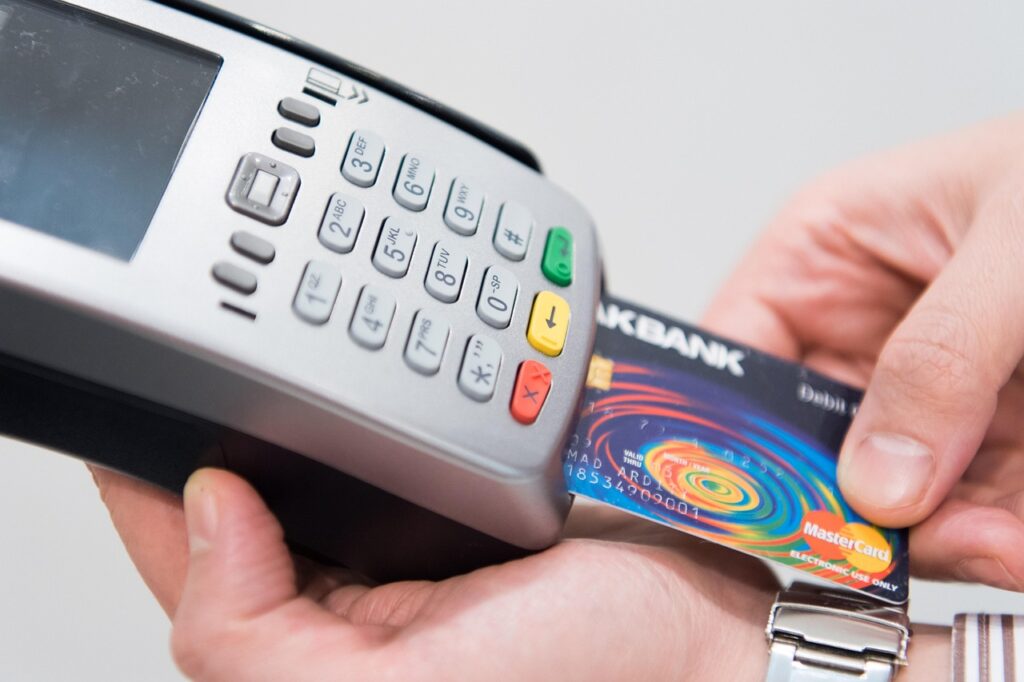

Introduction to Digital Payments
For those just discovering digital payments, it’s essential to understand that this isn’t just a trend, but a significant shift in how financial transactions are conducted. The rise of digital payments has been gaining attention globally due to its potential to simplify, secure, and speed up transactions. As technology advances, more people are turning to digital methods for their financial needs. With the increase in smartphone usage and the development of secure payment platforms, digital payments have become more accessible than ever. Whether it’s for personal or business use, digital payments offer a convenient alternative to traditional payment methods.
📝 What You'll Learn
Defining Digital Payments
Digital payments refer to the transfer of value from one party to another through digital channels, eliminating the need for physical currency. This can include a wide range of transactions, from online purchases and mobile payments to digital wallets and cryptocurrencies. The essence of digital payments lies in their ability to provide fast, secure, and efficient transactions, making them an attractive option for both individuals and businesses.
| Term | Plain-English Meaning |
|---|---|
| Payment Gateway | A service that processes credit card transactions and other payment methods for online merchants. |
| Digital Wallet | A software-based system that securely stores users’ payment information and passwords for numerous payment methods and websites. |
| Mobile Payment | A payment made through a mobile device, such as a smartphone or tablet. |
| Cryptocurrency | A digital currency that uses cryptography for secure financial transactions. |
| Contactless Payment | A payment method that allows users to make transactions by waving or tapping their card or device near a reader. |
| Tokenization | The process of replacing sensitive payment information with unique tokens to enhance security. |
Why Digital Payments Matter
Digital payments have a profound impact on various sectors of the economy and society. For businesses, digital payments can increase customer satisfaction by offering a smoother and more efficient checkout experience. This can lead to higher sales and customer retention. Additionally, digital payments reduce the need for physical infrastructure such as cash registers and vaults, thereby decreasing operational costs. For consumers, digital payments provide the convenience of making transactions from anywhere, at any time, as long as there’s an internet connection. This has been particularly beneficial for people in remote areas or those with mobility issues, enhancing financial inclusion.
The benefits of digital payments are also reflected in their potential to reduce crime. Digital transactions leave a traceable record, which can help in combating money laundering and fraud. Furthermore, the use of advanced security measures such as encryption and two-factor authentication protects users’ financial information, making digital payments a secure option.
A notable example of the real-world impact of digital payments is in the reduction of transaction times. Traditional payment methods like cheques can take several days to clear, whereas digital payments are instantaneous. This speed is crucial for businesses that rely on quick transactions to maintain their cash flow. For instance, a study found that businesses that adopted digital payments saw an average increase of 20% in sales due to faster transaction processing. Moreover, the use of digital payments in e-commerce has enabled the growth of the online shopping industry, with digital payments accounting for over 50% of all e-commerce transactions.
Leading Digital Payment Solutions
1. Payment Gateways
Payment gateways are crucial for facilitating online transactions by connecting merchants’ websites to the banking network. To use a payment gateway, businesses need to integrate it into their website or mobile app, which can be done through APIs or plugins. Once integrated, the payment gateway securely processes the payment information and transfers the funds to the merchant’s account. A common mistake made by beginners is not properly testing the payment gateway’s functionality before going live.
- Plus Points:
- Enhanced security through encryption and tokenization.
- Support for multiple payment methods and currencies.
- Real-time transaction tracking and reporting.
2. Digital Wallets
Digital wallets offer users a convenient way to store their payment information and make transactions without needing their physical cards. To use a digital wallet, users typically need to download an app, add their payment methods, and secure their account with a password or biometric data. Digital wallets can be used for both online and offline transactions, making them highly versatile. A common error is not regularly updating the digital wallet’s software, which can lead to security vulnerabilities.
- Plus Points:
- Convenience of carrying multiple cards in one digital space.
- Fast transaction processing without the need for physical cards.
- Additional rewards and cashback offers from wallet providers.
3. Mobile Payments
Mobile payments allow users to make transactions using their mobile devices, either through apps or contactless payment methods. To use mobile payments, users need a compatible device and a payment app or service. Mobile payments are particularly useful for small transactions and can be used in both online and offline scenarios. Beginners often overlook the importance of enabling two-factor authentication for added security.
- Plus Points:
- Easy to use, with transactions possible through a few taps.
- Wide acceptance at retail stores, both online and offline.
- Low transaction fees compared to traditional payment methods.
4. Cryptocurrencies
Cryptocurrencies are digital currencies that use cryptography for secure transactions. To use cryptocurrencies, users need a digital wallet and must purchase or mine the currency. Cryptocurrencies offer a decentralized form of payment, independent of central banks. However, beginners often fail to understand the volatility of cryptocurrency markets.
- Plus Points:
- Decentralized, meaning transactions are recorded on a public ledger without a central authority.
- Potential for high returns due to market fluctuations.
- Fast international transactions without high fees.
5. Contactless Payments
Contactless payments enable users to make transactions by tapping their card or device near a reader. To use contactless payments, users need a compatible card or device and a reader at the point of sale. Contactless payments are quick and convenient, making them ideal for small, everyday purchases. A common mistake is not checking the transaction limits for contactless payments.
- Plus Points:
- Fast and convenient, reducing queue times.
- Secure, with transactions authenticated through the card or device.
- Wide acceptance at retail stores and public transport systems.
6. Tokenization
Tokenization replaces sensitive payment information with unique tokens, enhancing security. To implement tokenization, businesses need to integrate a tokenization service into their payment system. This process protects user data and reduces the risk of fraud. Beginners often underestimate the complexity of integrating tokenization with existing payment systems.
- Plus Points:
- Significantly enhances payment security by protecting sensitive information.
- Compliance with payment security standards such as PCI-DSS.
- Reduces the risk of data breaches and associated costs.
7. Blockchain Technology
Blockchain technology is the foundation for cryptocurrencies and other digital payment systems, offering a secure and transparent way to record transactions. To use blockchain technology, developers need to build applications on blockchain platforms. Blockchain is particularly useful for cross-border transactions and supply chain management. However, beginners may struggle with the complexity of blockchain development.
- Plus Points:
- Provides a secure, immutable record of transactions.
- Enable smart contracts for automated transaction execution.
- Promotes transparency and trust among transaction parties.
| Step | What You Do | Expected Result |
|---|---|---|
| 1. Implement Payment Gateways | Integrate payment gateways into your website or app. | Secure and efficient online transactions. |
| 2. Use Digital Wallets | Download and set up a digital wallet app. | Convenient storage and use of payment information. |
| 3. Enable Mobile Payments | Set up mobile payment services on your device. | Fast and easy transactions using mobile devices. |
| 4. Adopt Cryptocurrencies | Purchase or mine cryptocurrencies. | Decentralized and potentially lucrative transactions. |
| 5. Utilize Contactless Payments | Use contactless payment methods for small transactions. | Quick and convenient payments for everyday purchases. |
| 6. Implement Tokenization | Integrate tokenization into your payment system. | Enhanced security for user payment information. |
| 7. use Blockchain Technology | Develop applications on blockchain platforms. | Secure, transparent, and efficient transaction recording. |
Frequently Asked Questions
What are the security risks associated with digital payments?
Digital payments, like any other financial transaction method, come with security risks such as data breaches, phishing attacks, and fraud. However, most digital payment systems employ advanced security measures like encryption, two-factor authentication, and tokenization to minimize these risks.
How do I protect my financial information when using digital payments?
To protect your financial information, always use secure and trusted payment platforms, keep your software and apps updated, use strong passwords, and enable two-factor authentication whenever possible. Regularly monitoring your accounts for suspicious activity is also advisable.
Can I use digital payments internationally?
Yes, many digital payment methods can be used internationally, making cross-border transactions easier and more efficient. However, it’s essential to check the fees associated with international transactions and the exchange rates offered by the payment provider.
Are digital payments more expensive than traditional payment methods?
The cost of digital payments can vary depending on the payment method and provider. Some digital payment methods may charge lower fees than traditional payment methods, especially for small transactions or international payments. However, it’s crucial to compare the fees and charges of different payment methods before choosing one.
How do digital payments affect financial inclusion?
Digital payments can significantly enhance financial inclusion by providing access to financial services for underserved populations, such as those in remote areas or without traditional banking access. Mobile payments, in particular, have been instrumental in increasing financial inclusion in developing countries.
One Last Thing
The future of financial transactions is undoubtedly digital, and embracing digital payments can offer numerous benefits for both individuals and businesses. By understanding the what, why, and how of digital payments, users can navigate the evolving landscape of financial transactions with confidence. As technology continues to advance, the security, convenience, and efficiency of digital payments will only improve, making them an integral part of our financial lives.