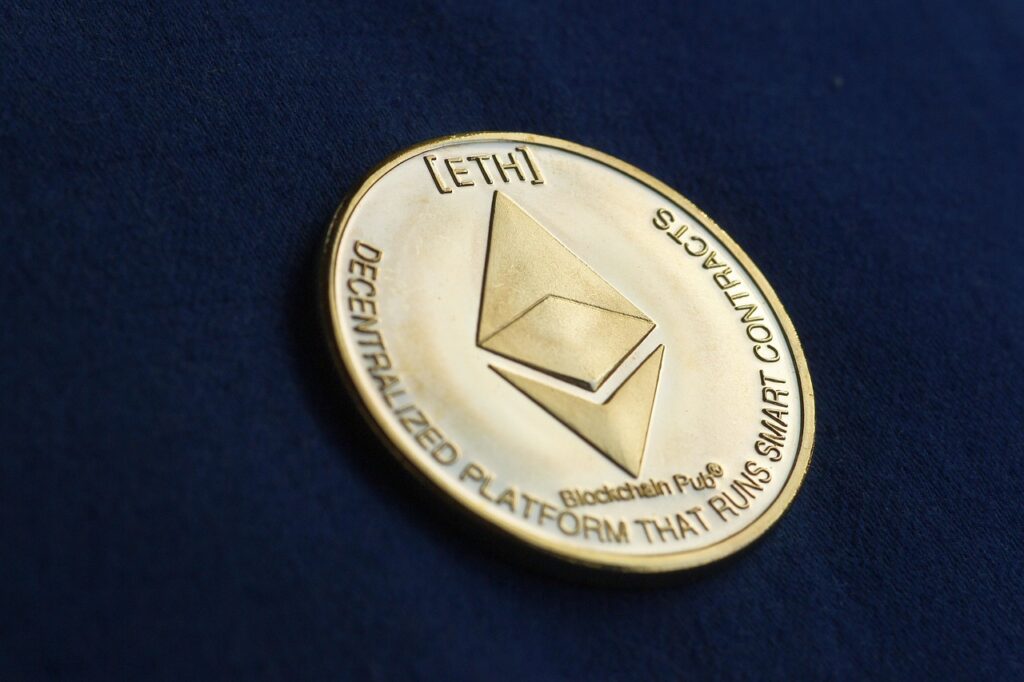

The world of blockchain and cryptocurrency has witnessed tremendous growth and evolution since the inception of Bitcoin. However, one platform that has significantly contributed to the expansion and maturation of this space is Ethereum. Choosing the right approach to understanding and engaging with Ethereum matters, as it can mean the difference between merely observing the blockchain revolution and being an active participant. Before Ethereum, the concept of a programmable blockchain was unheard of, but today, it stands as a testament to innovation, with its smart contract functionality and decentralized application (dApp) ecosystem. The shift from a purely transactional blockchain to a vibrant network of applications and services has been profound. With its impact felt across industries, from finance to art, Ethereum’s path is a compelling case study of technological advancement and community engagement.
Ethereum’s influence on the blockchain landscape is multifaceted, affecting not just the technology itself but also the economic, social, and regulatory aspects of the digital world. Understanding its full scope requires a deep dive into its history, technology, and the ecosystem it has fostered. As the second-largest cryptocurrency by market capitalization, Ethereum’s trajectory offers insights into the potential and the challenges of blockchain technology. Whether one is an investor, a developer, or simply a curious observer, grasping the complexities of Ethereum is essential for navigating the broader blockchain and cryptocurrency markets. The importance of selecting the right approach to Ethereum, whether for investment, development, or research, cannot be overstated, as it directly impacts the quality and depth of understanding one can achieve.
📝 What's In This Article
Understanding Ethereum
To truly comprehend Ethereum, it’s crucial to grasp the foundational concepts upon which it is built. Ethereum is not just a digital currency; it is a blockchain-based platform that enables the creation of decentralized applications (dApps) and smart contracts. Smart contracts are self-executing contracts with the terms of the agreement directly written into lines of code. This functionality allows for a wide range of applications, from simple transactions to complex financial instruments, all operating in a trustless and transparent manner. The platform’s native cryptocurrency, Ether (ETH), is used to pay for transaction fees and computational services on the Ethereum network. Understanding the interplay between Ethereum’s technological capabilities, its economic model, and the regulatory environment is vital for evaluating its potential and limitations.
Ethereum’s success can also be attributed to its vibrant community and the continuous development efforts aimed at improving the platform’s scalability, security, and usability. The transition from the current Proof of Work (PoW) consensus algorithm to Proof of Stake (PoS) with Ethereum 2.0 is a significant example of such efforts, promising to enhance the network’s efficiency and reduce its environmental impact. Evaluating Ethereum, therefore, requires considering both its current state and its future potential, as well as the broader implications of its technological and societal impacts. The following table highlights key metrics to evaluate when considering Ethereum or similar blockchain platforms:
| Metric | Description | Importance |
|---|---|---|
| Scalability | The ability of the blockchain to process transactions quickly and efficiently. | High |
| Security | The level of protection against hacking and other cyber threats. | Critical |
| Developer Community | The size and activity level of the developer community. | High |
| Regulatory Compliance | Adherence to relevant laws and regulations. | Critical |
Top Ethereum Innovations to Know
Ethereum 2.0
Ethereum 2.0, also known as Eth2, is the next generation of the Ethereum network, designed to enhance the platform’s scalability, security, and sustainability. This upgrade transitions the network from a Proof of Work (PoW) to a Proof of Stake (PoS) consensus algorithm, which promises to significantly reduce the network’s energy consumption and increase its transaction capacity. Eth2 is being rolled out in phases, with the Beacon Chain being the first major component to go live, introducing staking to the network and laying the groundwork for future upgrades.
- Key Benefits:
- Improved scalability through sharding, allowing for more transactions per second.
- Enhanced security through the introduction of a PoS consensus algorithm.
- Reduced energy consumption, making the network more environmentally friendly.
- What Needs Work:
- The phased rollout requires careful management to ensure a smooth transition without disrupting the current network.
- Educating users and developers about the benefits and requirements of Eth2 is crucial for its adoption.
Best for: Those looking for a long-term investment and contribution to the Ethereum ecosystem, with a focus on sustainability and scalability.
DeFi (Decentralized Finance)
DeFi refers to the ecosystem of financial applications and services built on top of blockchain technology, with Ethereum being a primary platform. DeFi encompasses a wide range of services, including lending, borrowing, trading, and yield farming, all operating in a decentralized manner without traditional financial intermediaries. This sector has seen tremendous growth, with many DeFi applications (dApps) offering users new financial opportunities and risks.
- Key Benefits:
- Financial inclusion by providing access to financial services for the unbanked and underbanked populations.
- Increased liquidity and efficiency in financial markets through automated smart contracts.
- Transparency and security of transactions, reducing the need for trust in intermediaries.
- What Needs Work:
- Regulatory clarity is needed to ensure compliance and protect consumers.
- Volatility and risk management are significant challenges for DeFi applications and users.
Best for: Investors and users seeking to explore new financial opportunities and services in a decentralized environment.
NFTs (Non-Fungible Tokens)
NFTs are unique digital assets that represent ownership of a specific item, whether it be a piece of art, a collectible, or even a piece of real estate. Ethereum is a leading platform for creating, buying, selling, and trading NFTs, thanks to its robust smart contract functionality. NFTs have gained popularity for their ability to provide creators with a new revenue stream and fans with a new way to engage with their favorite artists and brands.
- Key Benefits:
- Provides a new medium for artists and creators to monetize their digital work.
- Offers a novel way for fans to support their favorite artists and own unique digital items.
- Can represent ownership of physical items, bridging the digital and physical worlds.
- What Needs Work:
- The environmental impact of creating and trading NFTs, due to the energy consumption of Ethereum’s current consensus algorithm.
- Market volatility and the potential for speculative bubbles in the NFT market.
Best for: Artists, collectors, and enthusiasts interested in unique digital assets and the potential for new business models in the creative industries.
DAOs (Decentralized Autonomous Organizations)
DAOs are member-owned communities without centralized leadership, using blockchain technology to facilitate decision-making and governance. Ethereum’s smart contract functionality is crucial for the operation of DAOs, allowing for transparent, autonomous, and decentralized management of resources and activities. DAOs have been explored for various purposes, including investment, charity, and community governance.
- Key Benefits:
- Enables decentralized governance, giving community members a direct say in decision-making processes.
- Provides a transparent and auditable record of all transactions and decisions.
- Can be used for a wide range of applications, from social impact projects to investment vehicles.
- What Needs Work:
- Scalability and the ability to handle complex decision-making processes efficiently.
- Regulatory challenges and the need for legal clarity on the status and obligations of DAOs.
Best for: Communities, organizations, and individuals looking to explore new models of governance and decision-making that are decentralized and transparent.
Ethereum Smart Contracts
Ethereum’s smart contracts are self-executing contracts with the terms of the agreement written directly into code. They allow for the automation of various processes and the creation of decentralized applications (dApps) without the need for intermediaries. Smart contracts are a core component of Ethereum’s functionality, enabling a wide range of use cases from simple transactions to complex financial instruments.
- Key Benefits:
- Automates the enforcement and execution of agreements, reducing the need for trust and intermediaries.
- Provides a transparent and tamper-proof record of all transactions and contract executions.
- Can be used for a variety of applications, from supply chain management to voting systems.
- What Needs Work:
- The complexity and cost of developing and deploying smart contracts on Ethereum.
- The security risks associated with poorly written or vulnerable smart contracts.
Best for: Developers and organizations looking to automate processes, create decentralized applications, and explore new business models based on blockchain technology.
| Option | Best For | Difficulty | Cost | Speed |
|---|---|---|---|---|
| Ethereum 2.0 | Long-term investors and developers focused on sustainability and scalability. | High | Variable | Fast |
| DeFi | Investors and users seeking new financial opportunities and services. | Medium | High | Real-time |
| NFTs | Artists, collectors, and enthusiasts of unique digital assets. | Low | Variable | Fast |
| DAOs | Communities and organizations exploring decentralized governance models. | High | Medium | Variable |
| Ethereum Smart Contracts | Developers and organizations automating processes and creating dApps. | Medium | High | Fast |
How to Choose the Right One
Choosing the right approach or application within the Ethereum ecosystem depends on a variety of factors, including one’s goals, risk tolerance, and level of expertise. For investors, evaluating the potential for growth and the risks associated with different assets or applications is crucial. Developers should consider the scalability, security, and usability of the platform or tool they are working with. The decision-making process should be informed by a thorough analysis of the technological capabilities, market demand, and regulatory environment. Understanding the total cost of ownership, including development costs, transaction fees, and maintenance, is also essential for making an informed decision.
Moreover, the community support and development activity around a particular application or platform can significantly impact its success and longevity. A vibrant community can contribute to the security, usability, and innovation of the ecosystem, making it more attractive to users and developers alike. Thus, evaluating the engagement and participation within the community, as well as the roadmap and vision of the development team, is a critical step in the decision-making process.
The security of the platform or application is another paramount consideration. Given the decentralized nature of Ethereum and the autonomy it provides, ensuring that smart contracts are secure, well-tested, and properly audited is essential to prevent vulnerabilities and potential exploits. This requires a deep understanding of smart contract development best practices and the tools available for security auditing and testing.
Finally, considering the environmental impact of one’s engagement with Ethereum is becoming increasingly important. As the world becomes more conscious of climate change and environmental sustainability, the energy consumption associated with blockchain technology is under scrutiny. Ethereum’s transition to Proof of Stake is a step towards reducing its environmental footprint, but users and developers must also consider the implications of their actions and seek out sustainable practices and solutions within the ecosystem.
Why People Are Paying Attention
Ethereum’s impact on the digital world is multifaceted, affecting not just the technology sector but also finance, art, and governance. The potential for decentralized finance (DeFi) to democratize access to financial services is a significant reason why people are paying attention to Ethereum. DeFi applications are providing alternatives to traditional banking and financial services, offering higher yields, faster transaction times, and greater transparency.
The art and collectibles market is another area where Ethereum is making waves, through the creation and trading of NFTs. This has opened up new revenue streams for artists and creators, allowing them to monetize digital content in ways previously unimaginable. The transparency and provenance provided by blockchain technology are also changing the way we think about ownership and value in the digital age.
Ethereum’s smart contract functionality is a powerful tool for automating processes and creating decentralized applications. This has far-reaching implications for industries such as supply chain management, healthcare, and voting systems, where transparency, security, and efficiency are paramount. As more sectors begin to explore the potential of blockchain and smart contracts, Ethereum’s position as a leader in this space becomes increasingly significant.
The environmental sustainability of Ethereum, particularly with the transition to Ethereum 2.0, is also a reason for attention. As concerns about climate change and energy consumption grow, Ethereum’s move towards a more energy-efficient consensus algorithm is seen as a positive step towards sustainability. This not only benefits the environment but also enhances the platform’s appeal to users and developers who prioritize ethical and sustainable practices.
The governance and decision-making processes within the Ethereum community are unique and innovative. The use of DAOs for community governance and the decentralized nature of decision-making processes are attracting attention from those interested in new models of organization and participation. This aspect of Ethereum reflects its broader ambition to democratize access to technology and finance, and to create more equitable and transparent systems of governance.
The investment and speculative potential of Ethereum and its ecosystem is another reason why people are paying attention. With the growth of DeFi and NFTs, new investment opportunities have emerged, attracting both retail and institutional investors. The volatility of cryptocurrency markets, including Ethereum, also makes them attractive to speculators, although this comes with significant risks that must be carefully managed.
The Big Picture
Ethereum’s case study offers a complex and multifaceted exploration of the potential and challenges of blockchain technology. Through its smart contract functionality, decentralized applications, and innovative governance models, Ethereum is pushing the boundaries of what is possible in the digital world. As the ecosystem continues to evolve, with advancements like Ethereum 2.0, it is likely to play an increasingly significant role in shaping the future of technology, finance, and society. The key to fully grasping Ethereum’s impact and potential lies in understanding its technological, economic, and social dimensions, and in recognizing the interconnectedness of these aspects. By doing so, stakeholders can make informed decisions about their engagement with Ethereum and contribute to the development of a more equitable, sustainable, and decentralized online space.
The path of Ethereum, from its inception to its current status as a global blockchain powerhouse, is a testament to the power of innovation and community. As Ethereum continues on its path, navigating challenges and seizing opportunities, it remains a fascinating case study of technological advancement, societal impact, and the relentless pursuit of a decentralized and more equitable future. The story of Ethereum serves as a reminder of the potential for technology to transform lives, industries, and societies, and the importance of responsible and sustainable development in the digital age.
Ultimately, Ethereum’s significance extends beyond the world of technology and finance, speaking to fundamental questions about the nature of value, governance, and community in the digital era. As such, its study and exploration offer valuable insights not just for specialists but for anyone interested in the future of our interconnected world. By examining Ethereum’s complexities and its role in the broader online space, we can better understand the possibilities and challenges of our increasingly decentralized and technologically driven society.