
Understanding QR Payments
📝 Contents
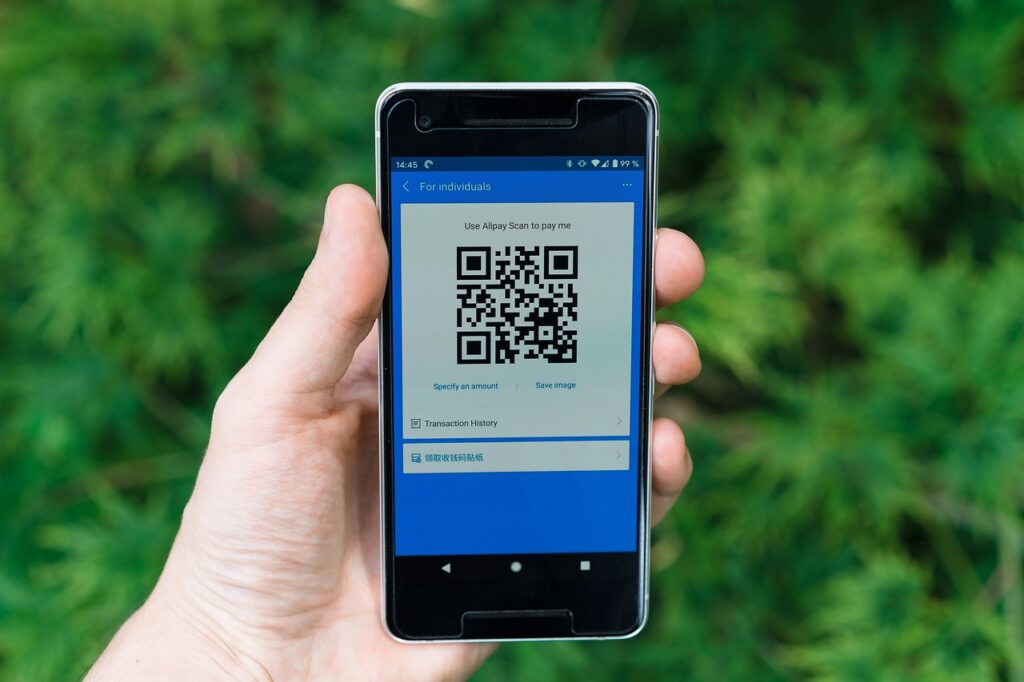
Imagine walking into a coffee shop in Tokyo, Japan, and noticing a small, square code on the counter. This is a QR code, which can be scanned using a smartphone to make a payment. QR payments are becoming increasingly popular worldwide, especially in countries like China, where over 80% of online payments are made using QR codes. A QR payment is a type of transaction where a customer uses their mobile device to scan a QR code, which redirects them to a payment page to complete the transaction.
| Term | Plain-English Meaning |
|---|---|
| QR Code | A two-dimensional barcode that can be scanned using a smartphone. |
| Mobile Payment | A payment made using a mobile device, such as a smartphone or tablet. |
| Contactless Payment | A payment made without physically touching the payment terminal. |
| Tokenization | The process of replacing sensitive payment information with a unique token. |
| Payment Gateway | A service that processes credit card transactions and other payment methods. |
| Merchant Account | A type of bank account that allows businesses to accept credit card payments. |
Why QR Payments Matters
In recent years, QR payments have experienced rapid growth, with the number of QR code payments increasing by over 50% in 2020 alone. This growth can be attributed to the convenience and accessibility of QR payments, which eliminate the need for physical payment terminals and cash handling. For example, in India, the government has launched several initiatives to promote the use of QR codes for payments, resulting in a significant increase in digital transactions. QR payments also offer a secure way to make transactions, as they use tokenization to protect sensitive payment information. Additionally, QR payments provide businesses with a cost-effective solution for accepting payments, as they eliminate the need for expensive payment terminals and reduce the risk of cash handling errors.
One of the primary benefits of QR payments is their ability to increase financial inclusion. In many countries, a significant portion of the population lacks access to traditional banking services, making it difficult for them to make payments. QR payments provide a solution to this problem, as they can be made using a smartphone, which is widely available and accessible. For instance, in Kenya, mobile payment services like M-Pesa have revolutionized the way people make transactions, providing access to financial services for millions of people. Furthermore, QR payments offer a fast and efficient way to make transactions, reducing the time spent on payment processing and allowing businesses to focus on other aspects of their operations.
The impact of QR payments can be seen in various industries, including retail, hospitality, and transportation. For example, in China, QR codes are widely used in restaurants and cafes, allowing customers to order and pay for their meals using their smartphones. Similarly, in the transportation sector, QR codes are used to pay for tickets and fares, providing a convenient and cashless experience for commuters. Overall, QR payments have the potential to transform the way we make transactions, offering a fast, secure, and convenient alternative to traditional payment methods.
Key QR Payments Advancements
1. Generating QR Codes
Generating QR codes is the first step in implementing QR payments. This involves creating a unique QR code that can be scanned by customers to make a payment. To generate a QR code, businesses can use a QR code generator tool, which is widely available online. For example, a business can use a QR code generator to create a QR code that redirects customers to a payment page. When using a QR code generator, it is essential to ensure that the QR code is high-quality and can be scanned easily using a smartphone. A common mistake made by beginners is using a low-quality QR code generator, which can result in a QR code that is difficult to scan.
- What You Gain: A unique QR code that can be scanned by customers to make a payment.
- What You Gain: A convenient and accessible way to make transactions.
2. Setting Up a Payment Gateway
Setting up a payment gateway is crucial for processing QR code payments. A payment gateway is a service that processes credit card transactions and other payment methods. To set up a payment gateway, businesses can choose from a variety of payment gateway providers, such as Stripe or PayPal. For instance, a business can sign up for a Stripe account and integrate it with their website or mobile app. When setting up a payment gateway, it is essential to ensure that it is secure and compliant with industry standards. A common mistake made by beginners is failing to configure the payment gateway correctly, which can result in payment processing errors.
- What You Gain: A secure and reliable way to process payments.
- What You Gain: Access to a variety of payment methods, including credit cards and digital wallets.
3. Integrating QR Code Payments with Existing Systems
Integrating QR code payments with existing systems is essential for a seamless payment experience. This involves integrating the QR code payment system with the business’s existing point-of-sale system, accounting software, and other relevant systems. For example, a business can integrate their QR code payment system with their point-of-sale system to automatically update sales records and inventory levels. When integrating QR code payments with existing systems, it is essential to ensure that the integration is secure and compliant with industry standards. A common mistake made by beginners is failing to test the integration thoroughly, which can result in technical issues and payment processing errors.
- What You Gain: A seamless and efficient payment experience for customers.
- What You Gain: Automated updates to sales records and inventory levels.
4. Ensuring Security and Compliance
Ensuring security and compliance is critical for QR code payments. This involves implementing robust security measures, such as encryption and tokenization, to protect sensitive payment information. For instance, a business can use encryption to protect payment data and tokenization to replace sensitive payment information with a unique token. When ensuring security and compliance, it is essential to stay up-to-date with industry standards and regulations, such as the Payment Card Industry Data Security Standard (PCI DSS). A common mistake made by beginners is failing to implement robust security measures, which can result in data breaches and payment processing errors.
- What You Gain: A secure and compliant payment system that protects sensitive payment information.
- What You Gain: Peace of mind for customers and businesses alike.
5. Testing and Quality Assurance
Testing and quality assurance are essential for ensuring that the QR code payment system works correctly and efficiently. This involves testing the QR code payment system thoroughly to identify and fix any technical issues or payment processing errors. For example, a business can test the QR code payment system by scanning the QR code and making a payment to ensure that the payment is processed correctly. When testing and quality assurance, it is essential to test the QR code payment system in different scenarios and environments to ensure that it works correctly in all situations. A common mistake made by beginners is failing to test the QR code payment system thoroughly, which can result in technical issues and payment processing errors.
- What You Gain: A QR code payment system that works correctly and efficiently.
- What You Gain: A positive customer experience and increased customer satisfaction.
6. Providing Customer Support
Providing customer support is essential for ensuring that customers have a positive experience with QR code payments. This involves providing customers with clear instructions and support for using the QR code payment system. For instance, a business can provide customers with a user guide or FAQs to help them understand how to use the QR code payment system. When providing customer support, it is essential to be responsive and helpful, and to provide customers with timely and effective solutions to any issues they may encounter. A common mistake made by beginners is failing to provide adequate customer support, which can result in customer frustration and dissatisfaction.
- What You Gain: A positive customer experience and increased customer satisfaction.
- What You Gain: A competitive advantage in the market and increased customer loyalty.
7. Monitoring and Analyzing Performance
Monitoring and analyzing performance is essential for optimizing the QR code payment system and improving customer experience. This involves tracking key performance indicators (KPIs) such as payment processing times, transaction volumes, and customer satisfaction. For example, a business can use analytics tools to track payment processing times and identify areas for improvement. When monitoring and analyzing performance, it is essential to use data-driven insights to inform decision-making and optimize the QR code payment system. A common mistake made by beginners is failing to track KPIs and analyze performance data, which can result in missed opportunities for improvement and optimization.
- What You Gain: Data-driven insights to inform decision-making and optimize the QR code payment system.
- What You Gain: A competitive advantage in the market and increased customer loyalty.
| Step | What You Do | Expected Result |
|---|---|---|
| 1. Generate QR Code | Create a unique QR code that can be scanned by customers to make a payment. | A unique QR code that can be scanned by customers to make a payment. |
| 2. Set Up Payment Gateway | Choose a payment gateway provider and integrate it with your website or mobile app. | A secure and reliable way to process payments. |
| 3. Integrate QR Code Payments with Existing Systems | Integrate the QR code payment system with your existing point-of-sale system, accounting software, and other relevant systems. | A seamless and efficient payment experience for customers. |
| 4. Ensure Security and Compliance | Implement robust security measures, such as encryption and tokenization, to protect sensitive payment information. | A secure and compliant payment system that protects sensitive payment information. |
| 5. Test and Quality Assurance | Test the QR code payment system thoroughly to identify and fix any technical issues or payment processing errors. | A QR code payment system that works correctly and efficiently. |
| 6. Provide Customer Support | Provide customers with clear instructions and support for using the QR code payment system. | A positive customer experience and increased customer satisfaction. |
| 7. Monitor and Analyze Performance | Track key performance indicators (KPIs) such as payment processing times, transaction volumes, and customer satisfaction. | Data-driven insights to inform decision-making and optimize the QR code payment system. |
Frequently Asked Questions
What is a QR code payment?
A QR code payment is a type of transaction where a customer uses their mobile device to scan a QR code, which redirects them to a payment page to complete the transaction. QR code payments are becoming increasingly popular worldwide, especially in countries like China, where over 80% of online payments are made using QR codes.
How do I generate a QR code?
To generate a QR code, you can use a QR code generator tool, which is widely available online. When using a QR code generator, it is essential to ensure that the QR code is high-quality and can be scanned easily using a smartphone. A common mistake made by beginners is using a low-quality QR code generator, which can result in a QR code that is difficult to scan.
What is a payment gateway?
A payment gateway is a service that processes credit card transactions and other payment methods. To set up a payment gateway, you can choose from a variety of payment gateway providers, such as Stripe or PayPal. When setting up a payment gateway, it is essential to ensure that it is secure and compliant with industry standards.
How do I integrate QR code payments with my existing systems?
To integrate QR code payments with your existing systems, you can use an application programming interface (API) or a software development kit (SDK). When integrating QR code payments with your existing systems, it is essential to ensure that the integration is secure and compliant with industry standards.
What are the benefits of using QR code payments?
The benefits of using QR code payments include increased convenience, security, and efficiency. QR code payments eliminate the need for physical payment terminals and cash handling, reducing the risk of payment processing errors and increasing the speed of transactions. Additionally, QR code payments provide businesses with a cost-effective solution for accepting payments, as they eliminate the need for expensive payment terminals and reduce the risk of cash handling errors.
One Last Thing
To wrap up, QR payments are revolutionizing the way we make transactions, offering a fast, secure, and convenient alternative to traditional payment methods. By following the key advancements outlined Here, businesses can implement QR code payments and provide their customers with a seamless and efficient payment experience. With the increasing adoption of QR code payments worldwide, it is essential for businesses to stay ahead of the curve and provide their customers with the latest payment technologies.