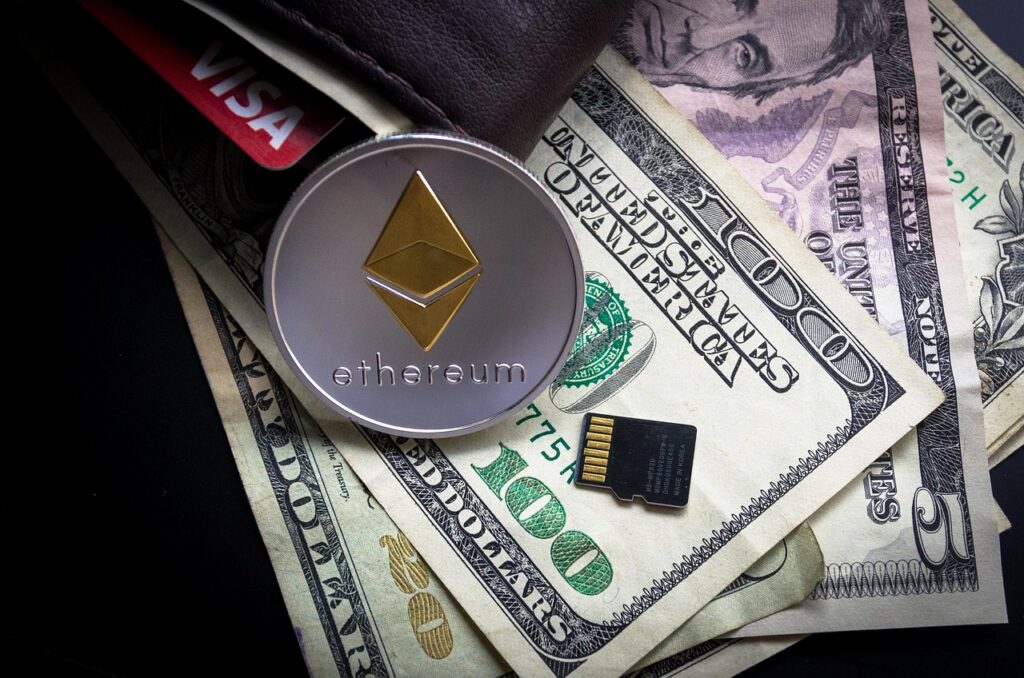

Newcomers to the world of cryptocurrency often assume that crypto wallets are merely digital versions of traditional wallets, used solely for storing cryptocurrencies. However, this assumption barely scratches the surface of what crypto wallets can do. In reality, crypto wallets are sophisticated tools that enable users to manage, send, and receive digital assets securely and efficiently. As the crypto space continues to evolve, understanding the role and capabilities of crypto wallets becomes increasingly important. With the rapid advancement of technology, the features and functionalities of crypto wallets are expanding, making them an indispensable component of the cryptocurrency ecosystem. Crypto wallets are no longer just about storage; they are about seamless interaction with the digital economy.
📝 Contents
Understanding Crypto Wallets
A crypto wallet, short for cryptocurrency wallet, is a software program that stores, sends, and receives digital currencies. It is essentially a digital vault that allows users to interact with various blockchain networks, facilitating transactions and the management of cryptographic keys. These wallets can be categorized based on their functionality, security features, and the type of devices they are compatible with, such as desktop, mobile, or hardware devices.
| Term | Plain-English Meaning |
|---|---|
| Private Key | A secret code used to spend or transfer cryptocurrencies. |
| Public Key | A publicly shared code where others can send cryptocurrencies. |
| Cold Storage | Offline storage methods for cryptocurrencies to enhance security. |
| Hot Wallet | Software wallets connected to the internet, making them less secure than cold storage but more convenient. |
| Seed Phrase | A list of words used to restore a crypto wallet and its associated funds. |
| Gas Fee | A fee paid to validators for the execution of smart contracts on the blockchain. |
Why Crypto Wallets (2026 Update) Matters
Data from 2024 suggests that the global crypto wallet market is experiencing rapid growth, driven by increasing adoption of cryptocurrencies and advancements in wallet technology. Industry studies show that security, user experience, and multi-asset support are key factors influencing user preference for crypto wallets. With more people entering the cryptocurrency space, the demand for secure, user-friendly, and feature-rich wallets is on the rise. According to recent statistics, the use of crypto wallets has not only been beneficial for individual investors but also for businesses looking to integrate cryptocurrencies into their operations.
Moreover, the 2026 update brings significant enhancements to crypto wallets, including improved security protocols, enhanced user interfaces, and expanded support for different types of digital assets. These updates are crucial for maintaining the trust and confidence of users in the cryptocurrency ecosystem. For instance, advancements in biometric authentication and two-factor authentication have significantly reduced the risk of unauthorized access to crypto wallets. Furthermore, the integration of educational resources and customer support within wallets has made it easier for new users to navigate the complex world of cryptocurrencies.
Crypto wallets also play a critical role in the real-world impact of cryptocurrencies. They enable the use of cryptocurrencies for everyday transactions, such as buying goods and services online or in physical stores. The widespread adoption of crypto wallets could potentially disrupt traditional payment systems, offering faster, cheaper, and more secure alternatives. For example, countries with underdeveloped financial systems can use crypto wallets to provide banking services to the unbanked population, promoting financial inclusion and economic growth.
Major Crypto Wallet Developments
1. Enhanced Security Measures
Enhanced security measures in crypto wallets involve the implementation of advanced encryption techniques, secure key storage, and robust authentication protocols. To utilize these measures, users must understand the importance of keeping their private keys and seed phrases secure, using strong passwords, and enabling two-factor authentication whenever possible. A common beginner mistake is underestimating the importance of security, leading to careless handling of sensitive information.
- Why It Works: Advanced encryption makes it difficult for hackers to access wallet contents, while secure key storage and two-factor authentication add layers of protection against unauthorized access.
- Regular software updates are crucial to patch security vulnerabilities and ensure the wallet remains protected against the latest threats.
2. User-Friendly Interfaces
User-friendly interfaces are designed to make crypto wallets accessible to a broader audience, including those without extensive technical knowledge. To take advantage of these interfaces, users should look for wallets with intuitive navigation, clear instructions, and minimalistic designs that simplify complex processes. A common mistake among beginners is overcomplicating their wallet setup, which can lead to confusion and potential security risks.
- Why It Works: Intuitive interfaces reduce the learning curve, allowing new users to start managing their cryptocurrencies quickly and confidently.
- Simplification of technical jargon and complex concepts helps in making the wallet more approachable and less intimidating.
3. Multi-Asset Support
Multi-asset support allows users to manage a variety of cryptocurrencies from a single wallet, enhancing convenience and reducing the need to juggle multiple wallet accounts. Users can benefit from this feature by selecting wallets that support a wide range of digital assets and regularly reviewing and updating their portfolio as the cryptocurrency market evolves. Beginners often overlook the importance of diversification, which can lead to overexposure to market volatility.
- Why It Works: Managing multiple assets from one place streamlines portfolio management, making it easier to monitor and adjust investments.
- Support for various cryptocurrencies and tokens provides users with the flexibility to explore different investment opportunities.
4. Mobile Compatibility
Mobile compatibility is crucial for modern crypto wallets, enabling users to manage their digital assets on-the-go. To use mobile wallets effectively, users should ensure their device is secure, keep their wallet app updated, and be cautious when using public Wi-Fi networks. A common mistake is neglecting device security, which can compromise wallet safety.
- Why It Works: Mobile wallets provide convenience and flexibility, allowing users to make transactions and monitor their assets anywhere, anytime.
- Push notifications and mobile alerts can keep users informed about market changes, transaction confirmations, and potential security issues.
5. Integration with Decentralized Applications (dApps)
Integration with dApps expands the functionality of crypto wallets, enabling users to interact with a wide range of decentralized services and applications. Users can benefit from this integration by exploring dApps that align with their interests, whether it be decentralized finance (DeFi), gaming, or social media, and understanding the associated benefits and risks. Beginners might struggle with understanding the complexity of dApp ecosystems and the potential for smart contract risks.
- Why It Works: Access to dApps directly from the wallet simplifies user interaction with the broader decentralized ecosystem.
- Integration promotes the adoption of decentralized services, enhancing the overall user experience and the potential for innovation within the crypto space.
6. Educational Resources and Support
Educational resources and support within crypto wallets are vital for user education and onboarding. Users should look for wallets that offer comprehensive guides, tutorials, and customer support to help navigate the complexities of cryptocurrency management. A common mistake is not utilizing these resources, leading to misunderstandings and potential errors in wallet management.
- Why It Works: Access to educational materials and support helps new users understand wallet functionality, security best practices, and how to manage their digital assets effectively.
- Continuous learning resources keep users updated on market trends, wallet updates, and best practices for security and investment.
7. Compliance and Regulatory Frameworks
Compliance with regulatory frameworks is essential for crypto wallets to operate legally and securely. Users should be aware of the legal and regulatory environment in their jurisdiction and choose wallets that comply with these standards. Beginners may overlook the importance of regulatory compliance, which can lead to legal issues and potential loss of assets.
- Why It Works: Compliance ensures that wallets operate within legal boundaries, protecting users from fraudulent activities and ensuring the legitimacy of transactions.
- Adherence to anti-money laundering (AML) and know-your-customer (KYC) policies helps in preventing the use of cryptocurrencies for illicit activities.
| Step | What You Do | Expected Result |
|---|---|---|
| 1. Enhanced Security | Implement advanced security measures. | Improved protection against unauthorized access. |
| 2. User-Friendly Interface | Utilize intuitive wallet design. | Simplified user experience for managing cryptocurrencies. |
| 3. Multi-Asset Support | Manage multiple digital assets from one wallet. | Streamlined portfolio management and diversification. |
| 4. Mobile Compatibility | Access and manage wallet on mobile devices. | Convenience and flexibility in managing digital assets. |
| 5. dApp Integration | Interact with decentralized applications. | Expanded functionality and access to decentralized services. |
| 6. Educational Resources | Utilize educational materials and support. | Improved understanding and management of digital assets. |
| 7. Regulatory Compliance | Ensure wallet compliance with regulations. | Legitimate and secure operation of the wallet. |
Frequently Asked Questions
What is a crypto wallet, and how does it work?
A crypto wallet is a software program designed to store, send, and receive digital currencies. It works by using a pair of keys: a public key for receiving cryptocurrencies and a private key for spending or sending them. Users can manage their keys and interact with various blockchain networks through the wallet interface.
How do I choose the best crypto wallet for my needs?
Choosing the best crypto wallet depends on several factors, including security, ease of use, fees, and the types of cryptocurrencies supported. Users should consider their investment goals, technical proficiency, and the level of security they require. Reading reviews, comparing features, and understanding the wallet’s reputation are essential steps in making an informed decision.
Are crypto wallets safe, and what are the risks?
Crypto wallets can be safe if used properly, with robust security measures in place. However, they are not immune to risks such as hacking, phishing, and loss of private keys. Users must follow best practices for security, including enabling two-factor authentication, keeping software up-to-date, and securely storing backup phrases and private keys.
Can I use a crypto wallet for everyday transactions?
Yes, crypto wallets can be used for everyday transactions, such as buying goods and services online or in physical stores that accept cryptocurrencies. The process typically involves sending the appropriate amount of cryptocurrency from the wallet to the merchant’s public address. However, the volatility of cryptocurrency prices and potential transaction fees should be considered before making purchases.
How do I protect my crypto wallet from hackers and scams?
Protecting a crypto wallet from hackers and scams involves several steps, including using strong, unique passwords; enabling two-factor authentication; keeping the wallet software and device operating system updated; being cautious with emails and links from unknown sources; and regularly backing up the wallet. Additionally, users should educate themselves on common scam tactics and always verify the authenticity of websites and services before entering sensitive information.
The Big Picture
The evolution of crypto wallets is a pivotal aspect of the broader cryptocurrency and blockchain ecosystem. As technology advances and regulatory environments clarify, crypto wallets will play an increasingly critical role in facilitating the adoption of digital assets. By understanding the capabilities, benefits, and best practices associated with crypto wallets, users can navigate the complex world of cryptocurrencies with confidence and security. The future of crypto wallets holds much promise, with potential advancements in areas such as quantum resistance, enhanced user experience, and deeper integration with traditional financial systems.
Crypto wallets are not just tools for storing digital currencies; they are gateways to a new financial paradigm, offering unprecedented levels of security, transparency, and accessibility. As the world becomes more digital, the importance of secure, reliable, and user-friendly crypto wallets will only continue to grow. By embracing this technology and its potential, individuals and businesses can position themselves at the forefront of a financial revolution that promises to reshape the way we think about money and value.
To wrap up, the significance of crypto wallets extends beyond their role as digital asset management tools. They represent a fundamental shift in how we interact with financial systems, promising greater autonomy, efficiency, and inclusivity. As we look to the future, the development and adoption of crypto wallets will be instrumental in realizing the full potential of cryptocurrencies and blockchain technology, driving innovation and economic growth in the years to come.