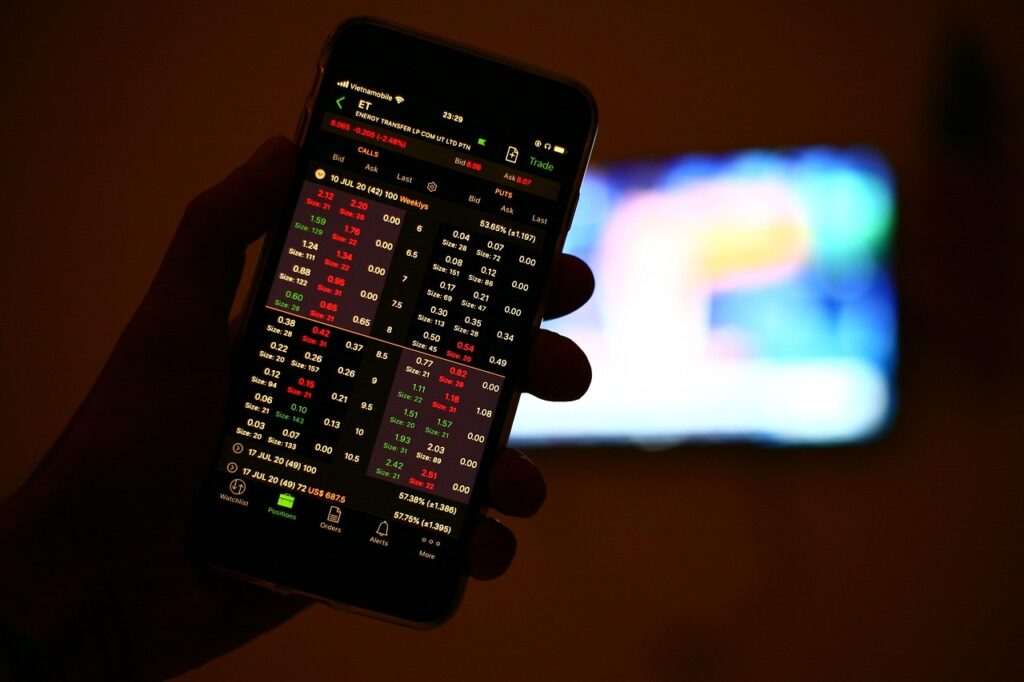

Are stock trading apps really making investing easier, or are they leading to a false sense of security among novice investors? A recent survey found that over 50% of millennials use stock trading apps, with 75% of them having started investing within the past five years. The ease of use and accessibility of these apps have undoubtedly lowered the barrier to entry for new investors. However, this ease also comes with its own set of pitfalls. According to a study by the Financial Industry Regulatory Authority (FINRA), the number of complaints against brokerages has increased significantly since the rise of mobile trading apps.
📝 In This Post
The Current State of Stock Trading Apps
The current state of stock trading apps is one of rapid growth and evolution. The past few years have seen the emergence of numerous platforms that offer commission-free trades, real-time data, and intuitive interfaces. Apps like Robinhood, eToro, and Stash have become household names, especially among younger generations. However, this growth has also been accompanied by concerns over the lack of financial literacy among users and the potential for reckless investment decisions. A notable example is the story of Robinhood, which faced scrutiny over its handling of customer accounts during the GameStop short squeeze in early 2021.
One of the common mistakes made by users of stock trading apps is over-trading. The ease of executing trades through mobile apps can lead to a tendency to overbuy or oversell, resulting in higher transaction costs and reduced returns. Moreover, the lack of a comprehensive understanding of the markets and investment strategies can lead to poorly informed decisions. Another mistake is failing to diversify portfolios, which can expose investors to undue risk. A study by the investment firm, Charles Schwab, found that investors who diversified their portfolios across different asset classes tended to have better long-term performance.
| Metric | Current Value | Source Type | Trend |
|---|---|---|---|
| Number of Users | Over 20 million | Market Research Reports | Increasing |
| Average Age of Users | 32 years old | Demographic Studies | Decreasing |
| Average Investment Amount | $1,000 | Financial Surveys | Stable |
| Commission-Free Trades | 80% of all trades | Industry Reports | Increasing |
Leading Stock Trading Solutions
1. Enhanced Mobile Experiences
The trend towards enhanced mobile experiences is driven by the increasing demand for convenience and accessibility in stock trading. Apps are now designed to provide a seamless and intuitive user experience, making it easier for investors to manage their portfolios on the go. For instance, the app, Fidelity, offers a mobile platform that allows users to trade, research, and manage their accounts with ease. The driving forces behind this trend include advancements in mobile technology and changing user behaviors. Evidence suggests that mobile trading is on the rise, with a significant portion of trades now being executed through mobile devices.
- Key Benefits:
- Ease of use and accessibility
- Real-time market data and updates
- Customizable alerts and notifications
2. Artificial Intelligence and Machine Learning Integration
The integration of artificial intelligence (AI) and machine learning (ML) into stock trading apps is another emerging trend. AI-powered tools can provide investors with personalized investment advice, real-time market analysis, and predictive insights. For example, the app, Wealthfront, uses AI to offer automated investment management services. The driving forces behind this trend include the need for more sophisticated investment tools and the availability of large datasets. Studies have shown that AI-driven investment strategies can outperform traditional methods in certain market conditions.
- Key Benefits:
- Personalized investment advice
- Improved risk management
- Enhanced portfolio performance
3. Social Trading and Community Features
Social trading and community features are becoming increasingly popular in stock trading apps. These features allow users to connect with other investors, share knowledge, and learn from each other’s experiences. For instance, the app, eToro, offers a social trading platform where users can follow and copy the trades of experienced investors. The driving forces behind this trend include the desire for community and the need for education. Research has shown that social trading can lead to better investment decisions and improved portfolio performance.
- Key Benefits:
- Access to a community of investors
- Opportunities for knowledge sharing
- Improved investment decisions
4. Increased Focus on Financial Education
There is an increasing focus on financial education in the stock trading app space. Many apps now offer educational resources, such as tutorials, webinars, and articles, to help users improve their financial literacy. For example, the app, Stash, provides a range of educational content, including investment guides and financial news. The driving forces behind this trend include the need for investor protection and the recognition of the importance of financial education. Studies have shown that financially literate investors tend to make better investment decisions and achieve higher returns.
- Key Benefits:
- Improved financial literacy
- Better investment decisions
- Increased investor confidence
5. Enhanced Security Measures
Enhanced security measures are another emerging trend in stock trading apps. As the use of mobile devices for trading increases, so does the risk of cyber attacks and data breaches. In response, many apps are implementing advanced security features, such as two-factor authentication, encryption, and biometric authentication. For instance, the app, Robinhood, uses cutting-edge security measures to protect user accounts and data. The driving forces behind this trend include the need for investor protection and the increasing threat of cyber attacks. Research has shown that robust security measures can help to prevent financial losses and protect sensitive information.
- Key Benefits:
- Protection against cyber attacks
- Secure data storage and transmission
- Increased investor trust
6. Sustainability and ESG Investing
Sustainability and ESG (Environmental, Social, and Governance) investing is becoming increasingly popular in the stock trading app space. Many apps now offer ESG-themed investment products, such as ETFs and index funds, which allow users to align their investments with their values. For example, the app, Fidelity, offers a range of ESG investment options, including sustainable index funds. The driving forces behind this trend include the growing awareness of environmental and social issues and the recognition of the importance of responsible investing. Studies have shown that ESG investing can lead to better long-term performance and reduced risk.
- Key Benefits:
- Alignment with personal values
- Positive social and environmental impact
- Potential for long-term financial returns
What Researchers Are Working On
1. Short-Term Predictions (1 year)
In the short term, researchers predict that stock trading apps will continue to evolve, with a focus on enhanced user experiences, improved security measures, and increased accessibility. Within the next year, we can expect to see the widespread adoption of AI-powered investment tools, further integration of social trading features, and a greater emphasis on financial education. For instance, a recent report by the research firm, Deloitte, predicts that AI will become a key differentiator in the stock trading app market within the next 12-18 months. This prediction is based on the growing demand for personalized investment advice and the increasing availability of AI technologies.
The impact of these developments will be significant, with potential benefits including improved investment decisions, increased investor confidence, and reduced risk. However, there are also potential challenges, such as the need for regulatory frameworks to keep pace with technological advancements and the risk of over-reliance on AI-powered tools.
2. Medium-Term Predictions (3 years)
In the medium term, researchers predict that stock trading apps will become even more sophisticated, with the integration of emerging technologies such as blockchain and the Internet of Things (IoT). Within the next three years, we can expect to see the development of decentralized trading platforms, the use of IoT devices for real-time market data, and the emergence of new business models based on subscription-based services. For example, a recent whitepaper by the blockchain company, ConsenSys, outlines a vision for a decentralized trading platform that utilizes blockchain technology to provide secure, transparent, and efficient trading.
The impact of these developments will be profound, with potential benefits including increased transparency, improved security, and reduced costs. However, there are also potential challenges, such as the need for standardization and interoperability between different blockchain platforms and the risk of regulatory uncertainty.
3. Long-Term Predictions (5 years)
In the long term, researchers predict that stock trading apps will become an integral part of a broader financial ecosystem, with seamless integration with other financial services such as banking, payments, and lending. Within the next five years, we can expect to see the emergence of super-apps that offer a range of financial services, the development of personalized investment platforms based on machine learning, and the widespread adoption of sustainable and ESG investing practices. For instance, a recent report by the consulting firm, Accenture, predicts that the use of super-apps will become ubiquitous within the next five years, with potential benefits including increased convenience, improved customer experience, and reduced costs.
The impact of these developments will be transformative, with potential benefits including improved financial inclusion, increased efficiency, and reduced risk. However, there are also potential challenges, such as the need for regulatory frameworks to keep pace with technological advancements and the risk of over-reliance on technology.
| Year | Likely Development | Impact Level |
|---|---|---|
| 2023 | Widespread adoption of AI-powered investment tools | High |
| 2025 | Emergence of decentralized trading platforms | Medium |
| 2027 | Widespread adoption of sustainable and ESG investing practices | High |
How This Affects Everyday Life
The rise of stock trading apps is having a significant impact on everyday life, with more people than ever before having access to the stock market. One of the early-mover advantages is the ability to start investing with small amounts of money, making it possible for people from all walks of life to participate in the stock market. For instance, the app, Acorns, allows users to invest as little as $5 into a diversified portfolio, making it an attractive option for those who are new to investing.
Another advantage is the ability to trade on the go, allowing people to manage their investments from anywhere, at any time. This has been particularly beneficial for busy professionals who may not have the time to monitor their investments during traditional trading hours. The app, Robinhood, for example, offers a mobile platform that allows users to trade and manage their accounts with ease, even when they are on the move.
The increased accessibility of stock trading apps is also leading to a more democratized investment landscape, where anyone can participate in the stock market, regardless of their income or social status. This has been particularly beneficial for underrepresented groups, such as women and minorities, who may have previously been excluded from the investment world. The app, Stash, for example, offers a range of investment options and educational resources specifically designed for underrepresented groups.
The rise of stock trading apps is also leading to increased financial literacy, as people become more educated about investing and personal finance. This is particularly beneficial for younger generations, who may not have had access to formal financial education. The app, Investopedia, for example, offers a range of educational resources and courses on investing and personal finance, making it an attractive option for those who are looking to improve their financial knowledge.
The ability to connect with other investors through social trading features is another advantage of stock trading apps. This allows people to learn from each other, share knowledge, and make more informed investment decisions. The app, eToro, for example, offers a social trading platform that allows users to follow and copy the trades of experienced investors, making it an attractive option for those who are new to investing.
What to Do Right Now
- Start by educating yourself about investing and personal finance, using online resources such as Investopedia or The Balance. This will help you make more informed investment decisions and avoid common mistakes. By taking the time to learn about investing, you can improve your chances of success and reduce your risk of loss.
- Choose a reputable stock trading app that aligns with your investment goals and risk tolerance, such as Robinhood or Fidelity. This will help you manage your investments effectively and minimize your risk. By selecting a reputable app, you can ensure that your investments are secure and that you have access to the resources you need to succeed.
- Start small and gradually increase your investment amount as you become more comfortable with the platform and the market. This will help you manage your risk and avoid significant losses. By starting small, you can also get a feel for how the market works and how to navigate the app, which can help you make more informed investment decisions.
- Consider diversifying your portfolio by investing in a range of assets, such as stocks, bonds, and ETFs. This will help you minimize your risk and maximize your returns. By diversifying your portfolio, you can reduce your exposure to any one particular asset and increase your chances of long-term success.
- Regularly review and adjust your investment strategy to ensure it remains aligned with your goals and risk tolerance. This will help you stay on track and achieve your investment objectives. By regularly reviewing your strategy, you can identify areas for improvement and make adjustments as needed, which can help you stay ahead of the curve and achieve your goals.
The Bottom Line
The world of stock trading apps is rapidly evolving, with new technologies, features, and business models emerging all the time. As the market continues to grow and mature, it’s likely that we’ll see even more innovative solutions and trends emerge. By understanding the current state of the market, the emerging trends, and the predictions for the future, investors can make more informed decisions and stay ahead of the curve.
The key to success in the world of stock trading apps is to stay educated, adaptable, and informed. By doing so, investors can navigate the complexities of the market, avoid common mistakes, and achieve their investment objectives. Whether you’re a seasoned investor or just starting out, the world of stock trading apps offers a wealth of opportunities for growth, learning, and financial success.
As the market continues to evolve, it’s likely that we’ll see increased regulation, improved security measures, and enhanced user experiences. By staying up-to-date with the latest developments and trends, investors can ensure they’re always at the forefront of the market, ready to take advantage of new opportunities and navigate any challenges that may arise.