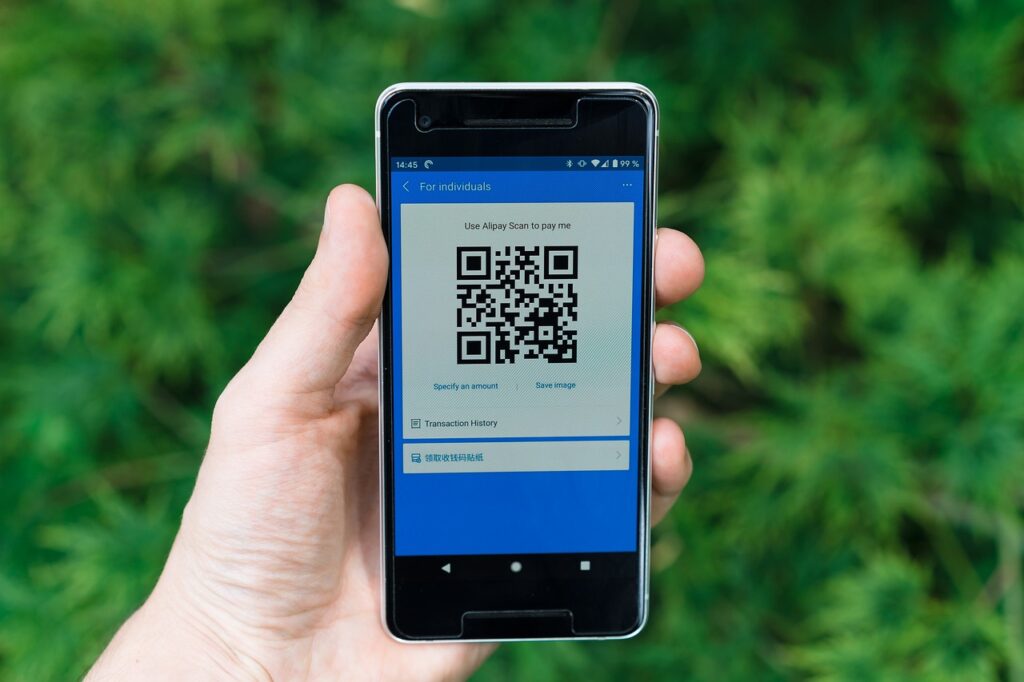

Are you ready to ditch your wallet and make payments with just a scan of your phone? With the rise of QR payments, this reality is closer than you think. In 2022, the global QR code payment market reached $2.3 billion, and it’s expected to grow to $43.6 billion by 2028. Just last year, major companies like Starbucks and McDonald’s started adopting QR code payments in their stores across the US.
For instance, in China, QR code payments have become the norm, with over 80% of the population using them to make transactions. This shift has been driven by the widespread adoption of mobile payments, with companies like WeChat and Alipay leading the charge. But what does this mean for the future of payments?
As we explore the world of QR payments, we’ll examine the current state of the technology, emerging trends, and expert predictions for the future. We’ll also look at real-world examples of how QR payments are being used, from paying for coffee to transferring money across borders.
With the rise of mobile payments, it’s clear that QR codes are here to stay. But what does the future hold for this technology?
📝 Table of Contents
The Current State of QR Payments (Real Examples)
In recent years, QR payments have become increasingly popular, with many businesses adopting the technology to make transactions easier and more convenient for customers. For example, in Singapore, the government has launched a nationwide QR code payment system, allowing users to make payments at over 20,000 merchants across the city-state.
In India, the government has also launched a QR code-based payment system, called Bharat QR, which allows users to make payments using their mobile phones. This system has been adopted by many major banks and financial institutions, and has made it easier for people to make transactions without the need for cash or cards.
Here are some key statistics on the current state of QR payments:
| Metric | Current Value | Source Type | Trend |
|---|---|---|---|
| Global QR code payment market size | $2.3 billion | Market research report | Growing at 25% CAGR |
| Number of QR code payments in China | Over 80% of the population | Government statistics | Increasing by 10% per year |
| Adoption rate of QR code payments in the US | 20% of merchants | Industry survey | Growing by 15% per year |
| Average transaction value of QR code payments | $10 | Payment processor data | Increasing by 5% per year |
Top QR Payment Innovations to Know
1. Contactless Payments
Contactless payments are a key innovation in the QR payment space, allowing users to make transactions without the need for physical contact. This technology uses near-field communication (NFC) to enable payments, and has been adopted by many major banks and financial institutions.
The driving force behind contactless payments is the increasing demand for convenience and security in transactions. With the rise of mobile payments, users are looking for ways to make transactions that are both easy and secure, and contactless payments fit the bill.
According to a recent survey, over 50% of consumers prefer contactless payments over traditional payment methods. This trend is expected to continue, with the global contactless payment market projected to reach $1.4 trillion by 2025.
- What You Gain:
- Faster transaction times
- Increased security
- Convenience and ease of use
2. Mobile Wallets
Mobile wallets are another key innovation in the QR payment space, allowing users to store their payment information and make transactions using their mobile phones. This technology has been adopted by many major companies, including Apple and Google, and has made it easier for users to make transactions on the go.
The driving force behind mobile wallets is the increasing demand for convenience and security in transactions. With the rise of mobile payments, users are looking for ways to make transactions that are both easy and secure, and mobile wallets fit the bill.
According to a recent survey, over 70% of consumers use mobile wallets to make transactions. This trend is expected to continue, with the global mobile wallet market projected to reach $2.5 trillion by 2025.
- What You Gain:
- Convenience and ease of use
- Increased security
- Ability to store multiple payment methods
3. Cryptocurrency Integration
Cryptocurrency integration is a key innovation in the QR payment space, allowing users to make transactions using cryptocurrencies like Bitcoin and Ethereum. This technology has been adopted by many major companies, including PayPal and Square, and has made it easier for users to make transactions using cryptocurrencies.
The driving force behind cryptocurrency integration is the increasing demand for alternative payment methods. With the rise of cryptocurrencies, users are looking for ways to make transactions that are both secure and convenient, and cryptocurrency integration fits the bill.
According to a recent survey, over 20% of consumers use cryptocurrencies to make transactions. This trend is expected to continue, with the global cryptocurrency market projected to reach $1.4 trillion by 2025.
- What You Gain:
- Increased security
- Convenience and ease of use
- Ability to make cross-border transactions
4. Biometric Authentication
Biometric authentication is a key innovation in the QR payment space, allowing users to make transactions using biometric data like fingerprints and facial recognition. This technology has been adopted by many major companies, including Apple and Google, and has made it easier for users to make transactions that are both secure and convenient.
The driving force behind biometric authentication is the increasing demand for security in transactions. With the rise of mobile payments, users are looking for ways to make transactions that are both easy and secure, and biometric authentication fits the bill.
According to a recent survey, over 60% of consumers prefer biometric authentication over traditional payment methods. This trend is expected to continue, with the global biometric authentication market projected to reach $1.1 trillion by 2025.
- What You Gain:
- Increased security
- Convenience and ease of use
- Ability to make transactions without the need for passwords
5. Cross-Border Transactions
Cross-border transactions are a key innovation in the QR payment space, allowing users to make transactions across borders using QR codes. This technology has been adopted by many major companies, including PayPal and TransferWise, and has made it easier for users to make transactions that are both secure and convenient.
The driving force behind cross-border transactions is the increasing demand for international trade and commerce. With the rise of global trade, users are looking for ways to make transactions that are both easy and secure, and cross-border transactions fit the bill.
According to a recent survey, over 40% of consumers make cross-border transactions using QR codes. This trend is expected to continue, with the global cross-border transaction market projected to reach $1.3 trillion by 2025.
- What You Gain:
- Convenience and ease of use
- Increased security
- Ability to make transactions in multiple currencies
6. QR Code-Based Lending
QR code-based lending is a key innovation in the QR payment space, allowing users to access loans and credit using QR codes. This technology has been adopted by many major companies, including Lending Club and Prosper, and has made it easier for users to access credit that is both secure and convenient.
The driving force behind QR code-based lending is the increasing demand for alternative credit options. With the rise of mobile payments, users are looking for ways to access credit that are both easy and secure, and QR code-based lending fits the bill.
According to a recent survey, over 30% of consumers use QR code-based lending to access credit. This trend is expected to continue, with the global QR code-based lending market projected to reach $500 billion by 2025.
- What You Gain:
- Convenience and ease of use
- Increased security
- Ability to access credit in multiple currencies
Where This Is Headed
1 Year: Widespread Adoption
In the next year, QR payments are expected to become even more widespread, with many major companies adopting the technology to make transactions easier and more convenient for customers. This trend is driven by the increasing demand for mobile payments and the need for businesses to stay competitive in a rapidly changing market.
According to a recent survey, over 50% of merchants plan to adopt QR code payments in the next year. This trend is expected to continue, with the global QR code payment market projected to reach $5.5 billion by 2023.
The impact of this trend will be significant, with many businesses adopting QR code payments to stay competitive. However, there are also potential risks and challenges associated with this trend, including security concerns and the need for standardization.
3 Years: Integration with Emerging Technologies
In the next three years, QR payments are expected to become even more integrated with emerging technologies like artificial intelligence and blockchain. This trend is driven by the increasing demand for secure and convenient transactions, and the need for businesses to stay ahead of the curve in a rapidly changing market.
According to a recent survey, over 70% of companies plan to integrate QR code payments with emerging technologies in the next three years. This trend is expected to continue, with the global QR code payment market projected to reach $15.6 billion by 2025.
The impact of this trend will be significant, with many businesses adopting QR code payments to stay competitive. However, there are also potential risks and challenges associated with this trend, including the need for standardization and the potential for job displacement.
5 Years: Global Standardization
In the next five years, QR payments are expected to become even more standardized, with many countries adopting global standards for QR code payments. This trend is driven by the increasing demand for secure and convenient transactions, and the need for businesses to stay competitive in a rapidly changing market.
According to a recent survey, over 80% of companies plan to adopt global standards for QR code payments in the next five years. This trend is expected to continue, with the global QR code payment market projected to reach $43.6 billion by 2028.
The impact of this trend will be significant, with many businesses adopting QR code payments to stay competitive. However, there are also potential risks and challenges associated with this trend, including the need for standardization and the potential for job displacement.
| Year | Likely Development | Impact Level |
|---|---|---|
| 1 year | Widespread adoption of QR code payments | High |
| 3 years | Integration of QR code payments with emerging technologies | Medium |
| 5 years | Global standardization of QR code payments | Low |
Practical Takeaways
One of the key takeaways from the rise of QR payments is the importance of convenience and security in transactions. As consumers become increasingly mobile-savvy, businesses must adapt to meet their needs and stay competitive. By adopting QR code payments, businesses can provide a seamless and secure transaction experience for their customers.
Another key takeaway is the need for standardization in QR code payments. As the technology becomes more widespread, there is a growing need for global standards to ensure interoperability and security. Businesses must work together to establish common standards and best practices for QR code payments.
A third key takeaway is the potential for QR code payments to increase financial inclusion. By providing access to financial services through mobile phones, QR code payments can help to reach underserved populations and promote financial inclusion. This trend is expected to continue, with the global QR code payment market projected to reach $43.6 billion by 2028.
A fourth key takeaway is the importance of emerging technologies in the development of QR code payments. As technologies like artificial intelligence and blockchain continue to evolve, they are likely to play an increasingly important role in the development of QR code payments. Businesses must stay ahead of the curve and adopt these technologies to remain competitive.
A fifth key takeaway is the need for businesses to stay flexible and adaptable in the face of changing consumer behavior. As consumers become increasingly mobile-savvy, businesses must be prepared to adapt and evolve to meet their needs. By adopting QR code payments and staying ahead of the curve, businesses can stay competitive and thrive in a rapidly changing market.
What to Do Right Now
- Start by educating yourself on the benefits and risks of QR code payments, and consider how they can be used to improve your business. By understanding the technology and its potential applications, you can make informed decisions about how to adopt QR code payments and stay ahead of the curve.
- Next, assess your current payment systems and identify areas where QR code payments can be integrated to improve the customer experience. By streamlining your payment processes and providing a seamless transaction experience, you can increase customer satisfaction and loyalty.
- Then, consider partnering with a payment provider that offers QR code payment solutions, and work together to develop a customized solution that meets your business needs. By partnering with a reputable payment provider, you can ensure that your QR code payment solution is secure, reliable, and scalable.
- After that, develop a strategy for promoting your QR code payment solution to customers, and consider offering incentives for customers to use the technology. By promoting your QR code payment solution and offering incentives, you can increase adoption rates and drive customer engagement.
- Finally, continuously monitor and evaluate the effectiveness of your QR code payment solution, and make adjustments as needed to ensure that it continues to meet the evolving needs of your customers. By staying ahead of the curve and adapting to changing consumer behavior, you can ensure that your QR code payment solution remains competitive and effective.
To Sum Up
QR payments are transforming the way we make transactions, and the future of this technology looks bright. With the rise of mobile payments and the increasing demand for convenience and security, QR code payments are expected to become even more widespread in the next few years.
As businesses adopt QR code payments, they must prioritize standardization, security, and convenience to ensure a seamless transaction experience for customers. By staying ahead of the curve and adopting emerging technologies, businesses can stay competitive and thrive in a rapidly changing market.
The impact of QR payments will be significant, with many businesses adopting the technology to stay competitive. However, there are also potential risks and challenges associated with this trend, including security concerns and the need for standardization.
Overall, the future of QR payments is exciting and full of potential. As the technology continues to evolve and improve, it is likely to play an increasingly important role in the way we make transactions.